7 First Aid Tips Every Pet Owner Should Know
No pet owner wants to imagine an emergency happening, but accidents can happen faster than expected. I realized how important pet first aid was after my dog swallowed something he should not have, and I had no idea what to do at first. Knowing a few simple first aid basics can help you stay calmer, react faster, and possibly protect your pet before you reach a veterinarian.
1. Know How to Handle Cuts, Scrapes, and Bleeding
Small injuries are one of the most common emergencies pets experience. Dogs and cats can get cuts from sharp objects, broken glass, rough play, or outdoor accidents.
Some wounds look minor at first but can become infected quickly if ignored.
Stay Calm Before Helping Your Pet
The first thing to do is stay calm. Pets often panic when they are hurt, and your reaction can affect their behavior.
Speak softly and move slowly. Even gentle pets may react defensively when in pain.
How to Stop Bleeding
If the wound is bleeding, apply gentle pressure immediately using a clean cloth or gauze.
Hold steady pressure for several minutes without constantly checking the wound. Removing the cloth too often can restart the bleeding.
Steps for Minor Wound Care
For smaller cuts and scrapes:
- Rinse the area with clean water
- Remove visible dirt carefully
- Use pet-safe antiseptic if available
- Pat the wound dry gently
- Monitor for swelling or redness
Keeping the wound clean is extremely important.
Signs a Wound Needs Veterinary Care
Some injuries require professional treatment right away.
Watch for:
- Deep cuts
- Heavy bleeding
- Swelling
- Bad odor
- Pus or discharge
- Limping
- Visible bone or tissue
These signs can indicate a more serious injury.
2. Learn What to Do If Your Pet Is Choking
Choking can become life-threatening within minutes. Pets sometimes swallow toys, bones, food chunks, or household objects too quickly.
Knowing what to do in those first moments can make a huge difference.
Common Signs of Choking
Not every coughing episode means choking, but certain symptoms should raise concern.
Signs include:
- Pawing at the mouth
- Gagging
- Difficulty breathing
- Panic or distress
- Excessive drooling
- Blue or pale gums
- Loud wheezing sounds
A choking pet often looks frightened and restless.
Check the Mouth Carefully
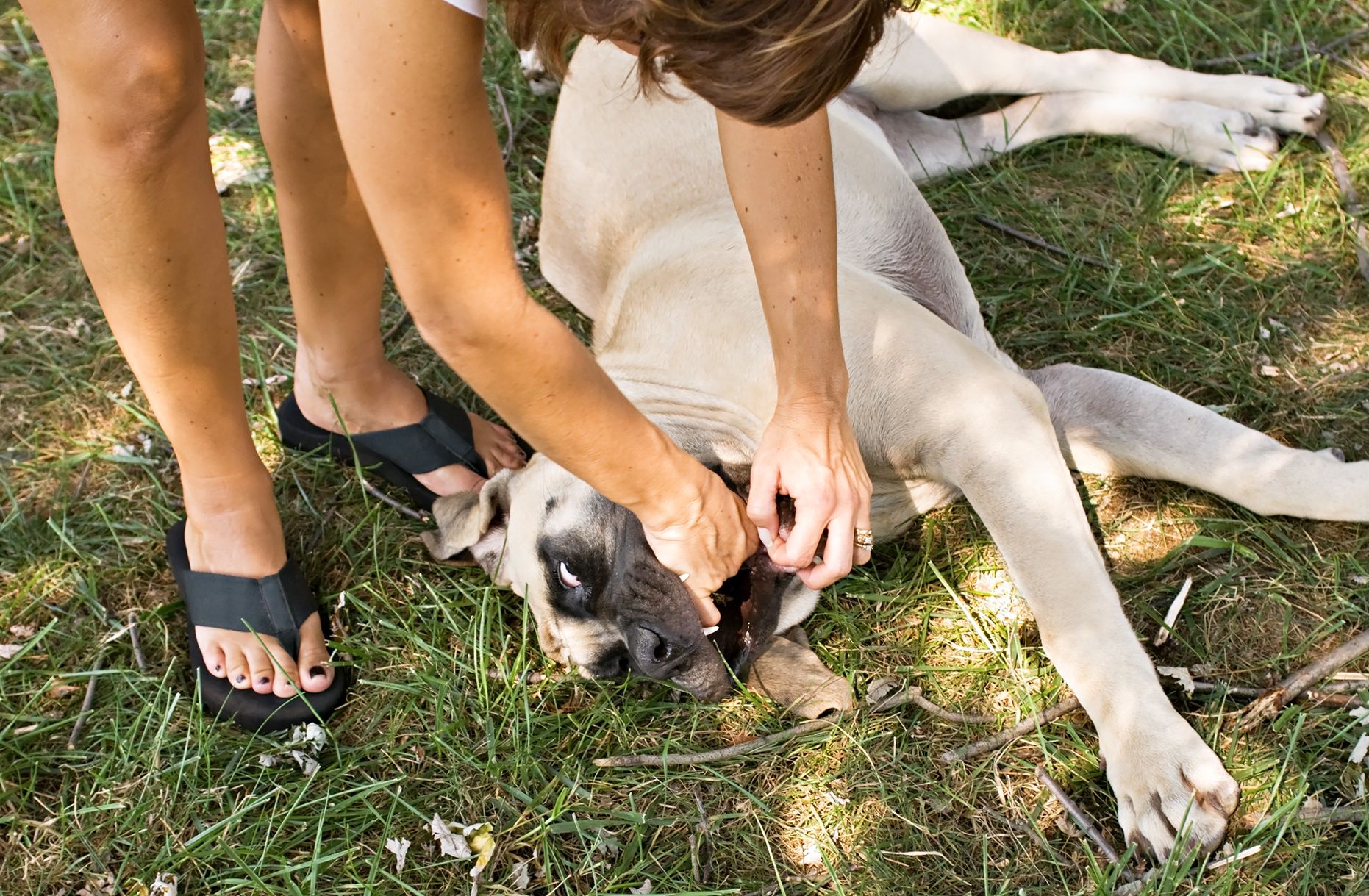
If your pet allows it, open the mouth gently and look for visible objects.
Only remove an object if it is easy to grab safely. Never push your fingers deep into the throat because you could accidentally push the blockage farther down.
What to Avoid During Choking Emergencies
Avoid making sudden aggressive movements. Panicked pets may bite accidentally, even if they are normally friendly.
Do not:
- Force objects deeper into the throat
- Pull aggressively on stuck objects
- Delay emergency care
- Give food or water immediately
Quick action matters, but safe action matters more.
When to Seek Emergency Help
If your pet struggles to breathe or loses consciousness, head to an emergency veterinarian immediately.
Even if the object comes out, internal throat injuries can still happen.
3. Be Prepared for Poisoning Emergencies
Poisoning is more common than many pet owners realize. Everyday items that seem harmless to humans can become dangerous for pets.
I was shocked the first time I learned how many toxic foods and plants existed inside ordinary homes.
Common Household Dangers for Pets
Many poisoning cases happen because pets are naturally curious.
Common toxic items include:
- Chocolate
- Grapes and raisins
- Onions and garlic
- Cleaning products
- Medications
- Antifreeze
- Certain houseplants
- Essential oils
Keeping these items out of reach is extremely important.
Signs Your Pet May Be Poisoned
Symptoms vary depending on the substance involved.
Watch for:
- Vomiting
- Diarrhea
- Drooling
- Weakness
- Tremors
- Seizures
- Difficulty breathing
- Sudden collapse
Some symptoms appear quickly, while others take hours.
What You Should Do Immediately
If poisoning is suspected, contact a veterinarian or emergency animal clinic immediately.
Try to identify:
- What your pet swallowed
- How much was consumed
- When it happened
This information helps professionals respond faster.
Do Not Force Vomiting Without Guidance
Many people assume vomiting should always be induced after poisoning, but that is not always safe.
Some substances can cause even more damage coming back up.
Always get professional advice first.
4. Know How to Respond to Burns and Heatstroke

Heat-related emergencies become especially dangerous during warmer months. Dogs and cats can overheat surprisingly fast, especially inside cars or poorly ventilated spaces.
Burns from hot surfaces, chemicals, or electrical accidents can also happen unexpectedly.
Signs of Heatstroke in Pets
Heatstroke is a medical emergency and should never be ignored.
Common warning signs include:
- Heavy panting
- Thick drool
- Rapid heartbeat
- Weakness
- Bright red gums
- Vomiting
- Collapse
Flat-faced breeds often struggle even more in hot weather.
How to Cool a Pet Safely
Move your pet into a cooler shaded area immediately.
Use cool water, not ice-cold water, because sudden temperature changes can create additional stress on the body.
Safe Cooling Methods
Helpful ways to cool a pet include:
- Wetting paws with cool water
- Using damp towels
- Offering small amounts of water
- Turning on fans
- Moving indoors quickly
Slow cooling works better than shocking the body with extreme cold.
Handling Minor Burns
For small burns, rinse the area gently with cool water for several minutes.
Avoid using butter, creams, or human ointments unless directed by a veterinarian.
Burns can worsen underneath the skin even when they appear mild initially.
5. Understand Basic CPR for Pets

Pet CPR sounds intimidating at first, but understanding the basics can help during serious emergencies.
Hopefully you never need it, but learning it ahead of time is much better than trying to figure it out during panic.
When CPR May Be Needed
CPR may help if a pet:
- Stops breathing
- Has no heartbeat
- Becomes unconscious
- Suffers severe trauma
- Nearly drowns
CPR should only begin if the pet is unresponsive.
Check for Breathing and Pulse
Before starting CPR, check carefully for breathing and heartbeat.
Watch the chest for movement and feel for a pulse near the inner thigh area.
Sometimes pets appear unconscious but are still breathing.
Basic Pet CPR Steps
While exact techniques vary depending on pet size, the general process includes:
- Place the pet on its side
- Keep the airway straight
- Give gentle chest compressions
- Provide rescue breaths if trained
- Continue until professional help arrives
Proper CPR training from a veterinarian is always recommended.
Why Immediate Veterinary Care Still Matters
Even if CPR appears successful, pets still need emergency medical attention afterward.
Underlying injuries or complications may still exist.
6. Handle Broken Bones and Injuries Carefully
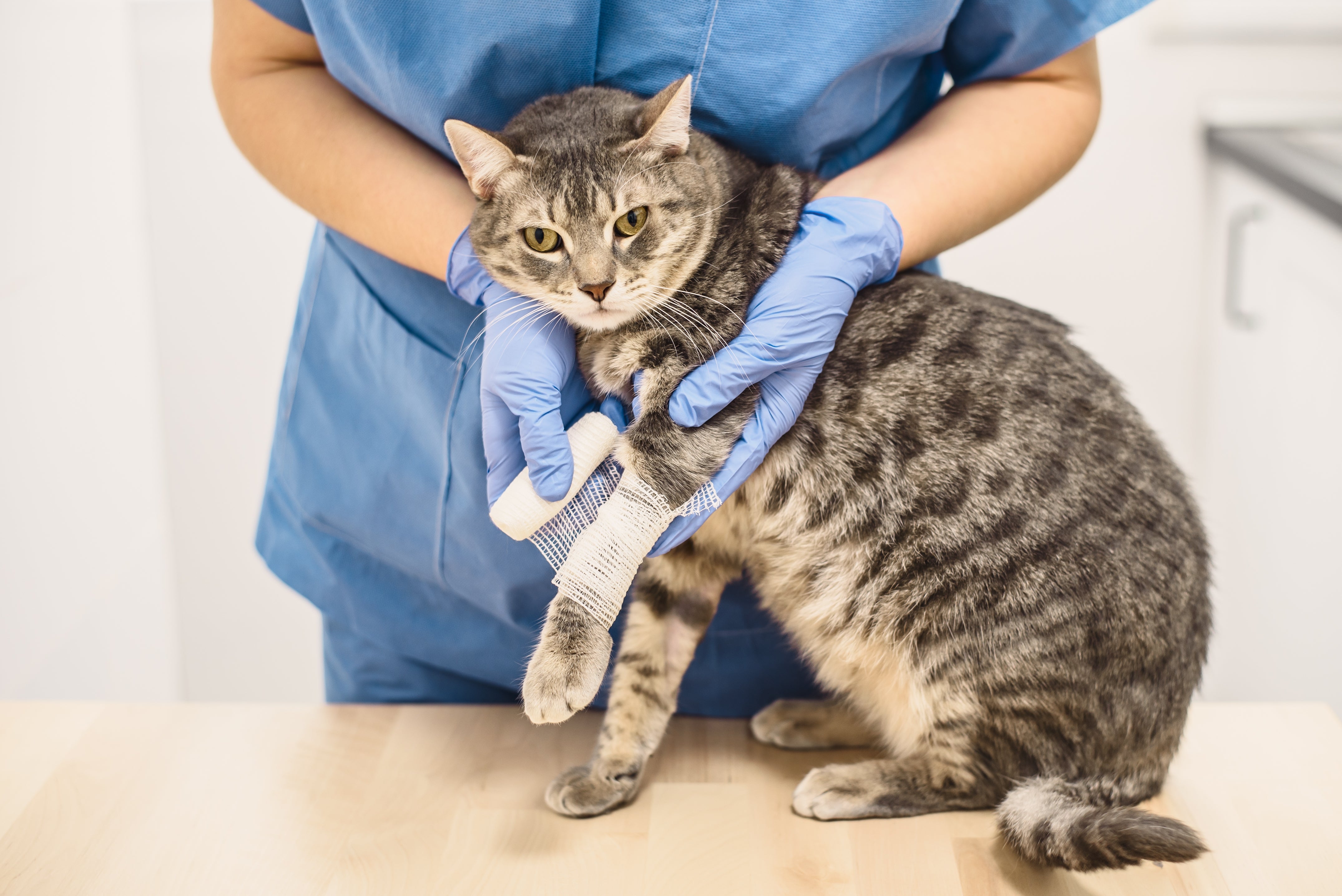
Broken bones and physical injuries can happen after falls, car accidents, or rough activity. Injured pets are often scared and confused, which makes careful handling extremely important.
I once saw a dog panic after a leg injury and accidentally worsen it while trying to escape.
Signs of a Possible Fracture
Not all fractures are obvious immediately.
Common signs include:
- Limping
- Swelling
- Crying in pain
- Refusing to walk
- Unusual leg position
- Dragging a limb
- Sensitivity to touch
Some pets hide pain surprisingly well.
Avoid Moving the Injury Too Much
Try to keep your pet as still as possible.
Sudden movement can worsen fractures or cause additional internal injuries.
Safe Ways to Transport an Injured Pet
If your pet cannot walk safely:
- Use a towel as a sling
- Carry smaller pets carefully
- Use a flat board for support if necessary
- Keep movements slow and steady
Comfort and stability matter during transport.
Never Attempt Home Bone Repairs
Do not try to straighten bones or apply homemade splints unless specifically instructed by a professional.
Improper handling can make injuries worse.
7. Create a Pet First Aid Kit for Emergencies
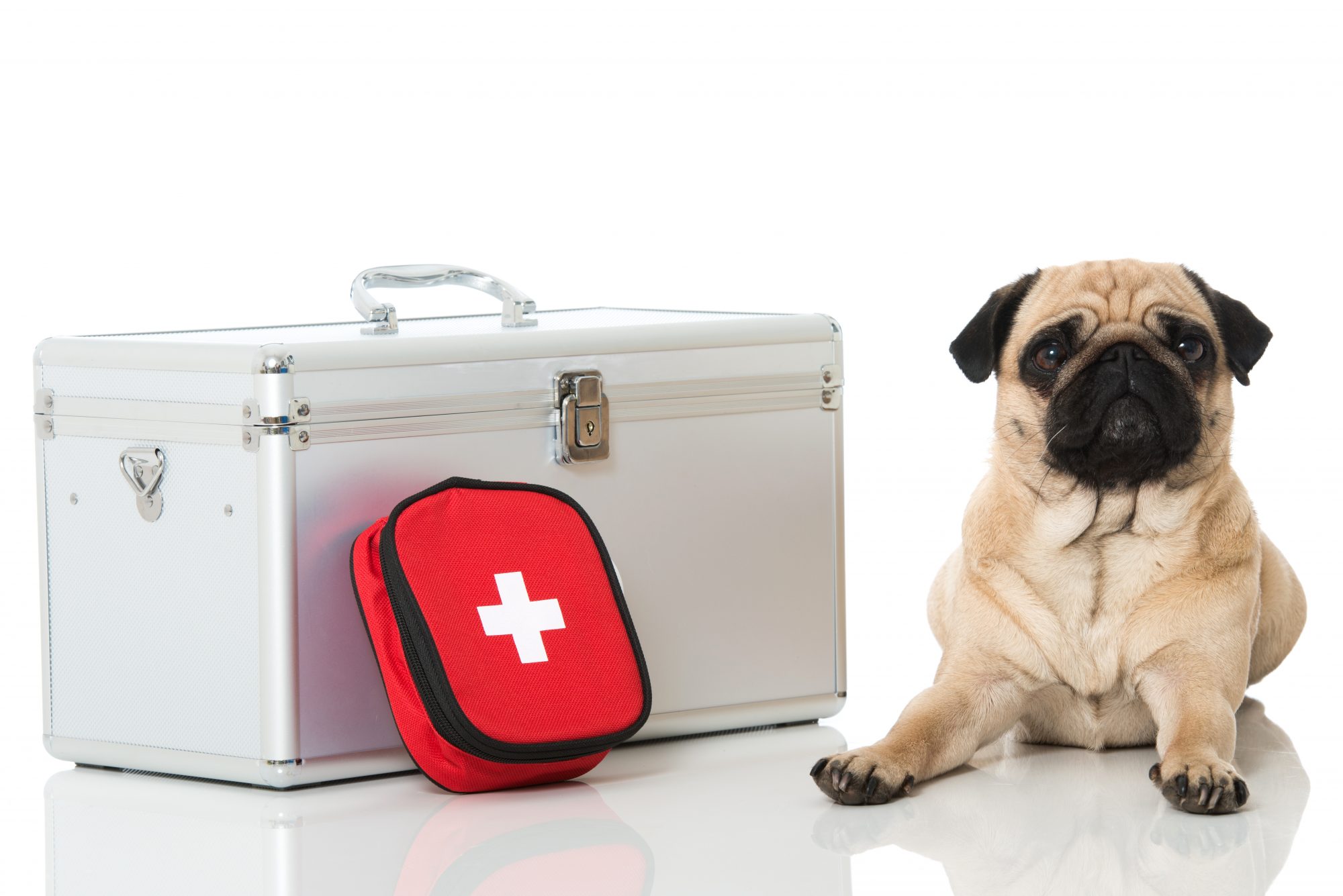
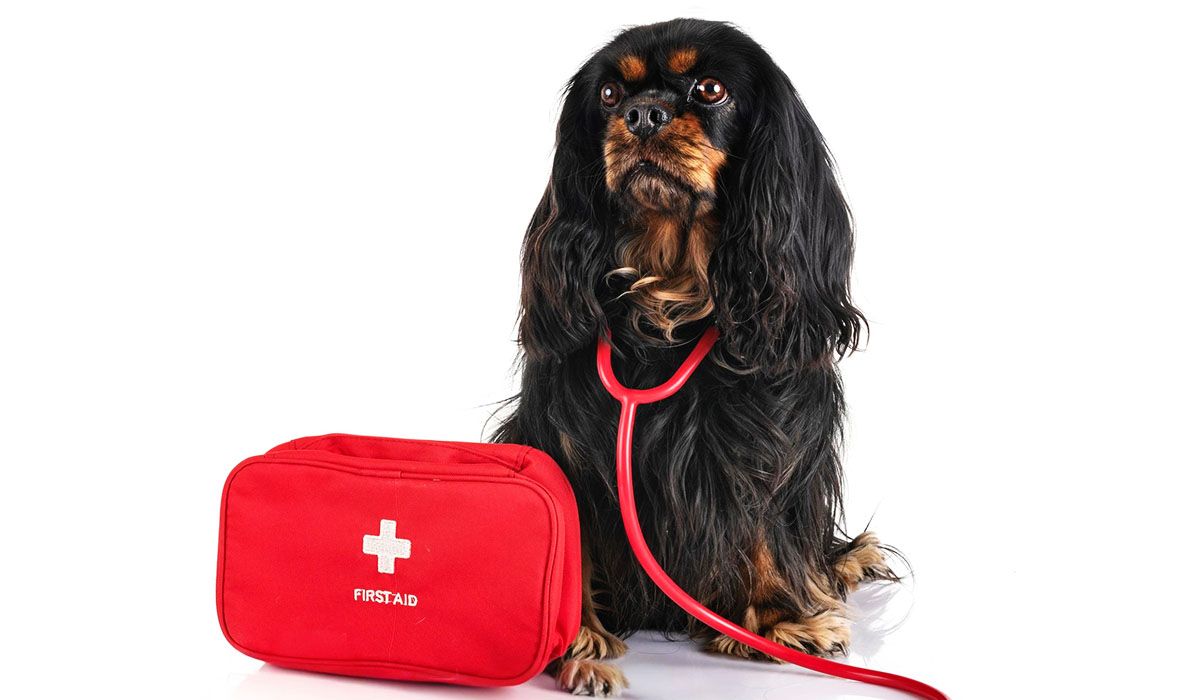
One of the smartest things a pet owner can do is prepare a first aid kit before emergencies happen.
Having supplies ready saves valuable time when stress levels are high.
Essential Items Every Pet First Aid Kit Should Include
A good pet first aid kit does not need to be complicated or expensive.
Helpful supplies include:
- Gauze pads
- Adhesive tape
- Bandages
- Pet-safe antiseptic
- Tweezers
- Blunt scissors
- Disposable gloves
- Digital thermometer
- Saline solution
- Clean towels
Simple tools can become incredibly useful during emergencies.
Include Important Contact Information
Always keep emergency numbers inside the kit.
Important contacts include:
- Your veterinarian
- Emergency animal hospitals
- Animal poison hotline
- Backup emergency contacts
Searching for phone numbers during panic wastes precious time.
Keep the Kit Easy to Access
Store the kit somewhere visible and easy to reach.
A closet shelf near the front door often works well because it stays accessible during emergencies or travel.
Consider Travel Emergency Kits
If you travel often with your pet, keeping a smaller portable kit in your car can help.
Outdoor adventures, road trips, and vacations all come with unexpected risks.
How to Stay Calm During a Pet Emergency
One thing I learned during emergencies is that pets react strongly to human emotions. If you panic, your pet often becomes even more frightened.
Staying calm helps you think more clearly and helps your pet feel safer.
Focus on One Step at a Time
Trying to think about everything at once can feel overwhelming.
Instead:
- Assess the situation
- Secure your pet safely
- Contact professional help
- Provide basic first aid
- Transport your pet carefully
Breaking emergencies into smaller steps makes them easier to manage.
Keep Emergency Numbers Saved
Store important veterinary numbers in your phone before emergencies happen.
During stressful moments, even simple tasks can suddenly feel difficult.
Practice Basic Preparedness
Preparedness creates confidence. Learning simple first aid basics ahead of time can reduce panic significantly.
Even understanding basic wound care and choking response helps more than many people realize.
Final Thoughts
Pet emergencies are scary, especially when they happen unexpectedly. But knowing a few basic first aid skills can help you react faster and protect your pet until professional care becomes available.
You do not need to become a veterinarian overnight. Small steps like keeping a first aid kit, learning CPR basics, and understanding common warning signs already make a huge difference.
From my own experience, preparation creates peace of mind. When emergencies happen, you may still feel nervous, but having basic knowledge helps you stay focused instead of freezing in panic.
Your pet depends on you during difficult moments, and even simple first aid knowledge can sometimes make all the difference.