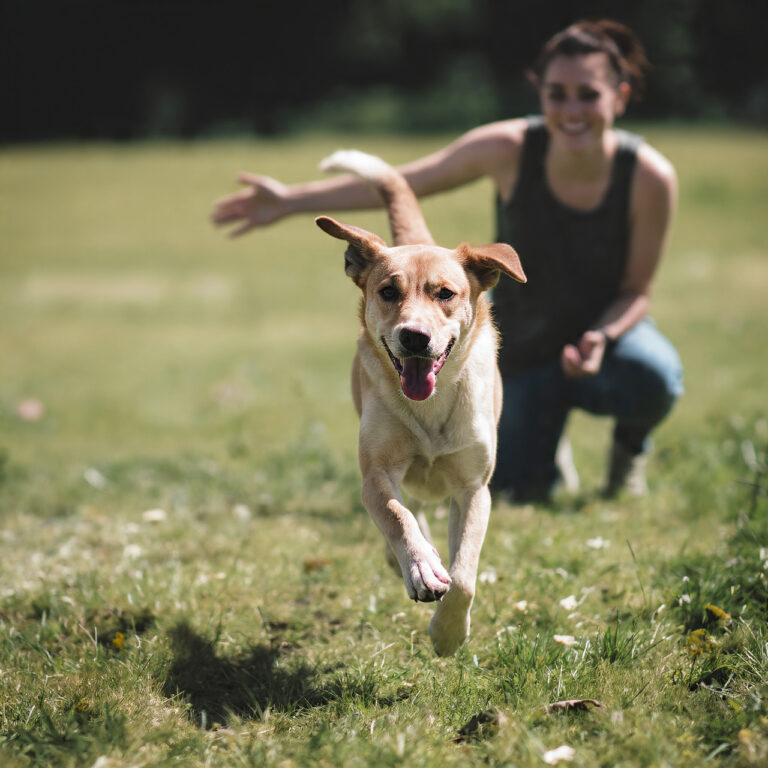
How to Properly Train a Dog to Walk on a Leash Without Pulling
I used to dread walks because my dog would pull nonstop, turning something simple into a struggle. Once I learned proper leash training, everything changed. Walking became calm, enjoyable, and something we both looked forward to every day.
Choosing the Right Leash and Equipment
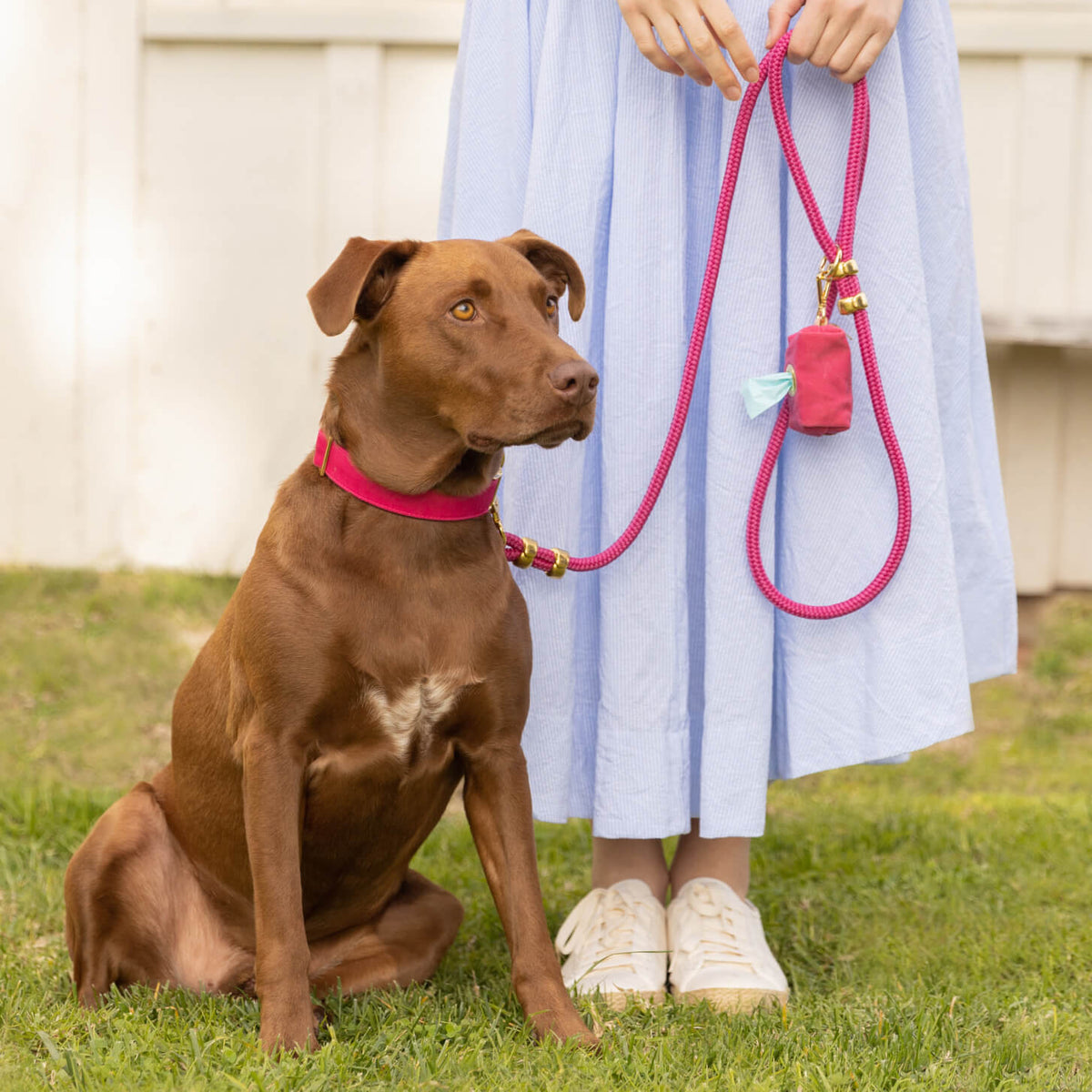
Before training even begins, the tools you use can make a big difference. I did not realize this at first, but switching equipment helped me gain better control and improved my dog’s behavior.
Types of Leashes
Not all leashes are created equal, and some work better for training than others.
Good options include:
- Standard 4 to 6 foot leash
- Durable material like nylon or leather
- Comfortable grip handle
Avoid very long or retractable leashes during training because they encourage pulling and reduce control.
Harness vs Collar
The choice between a harness and collar depends on your dog’s behavior and comfort.
A harness can:
- Reduce strain on the neck
- Provide better control
- Help manage strong pullers
A collar can:
- Be suitable for well-behaved dogs
- Offer simplicity
- Work for basic walking
Avoiding Ineffective Tools
Some tools may promise quick results but can cause discomfort or confusion.
It is best to avoid:
- Harsh training devices
- Poorly fitted equipment
- Anything that causes pain
Preparing Your Dog for Leash Training
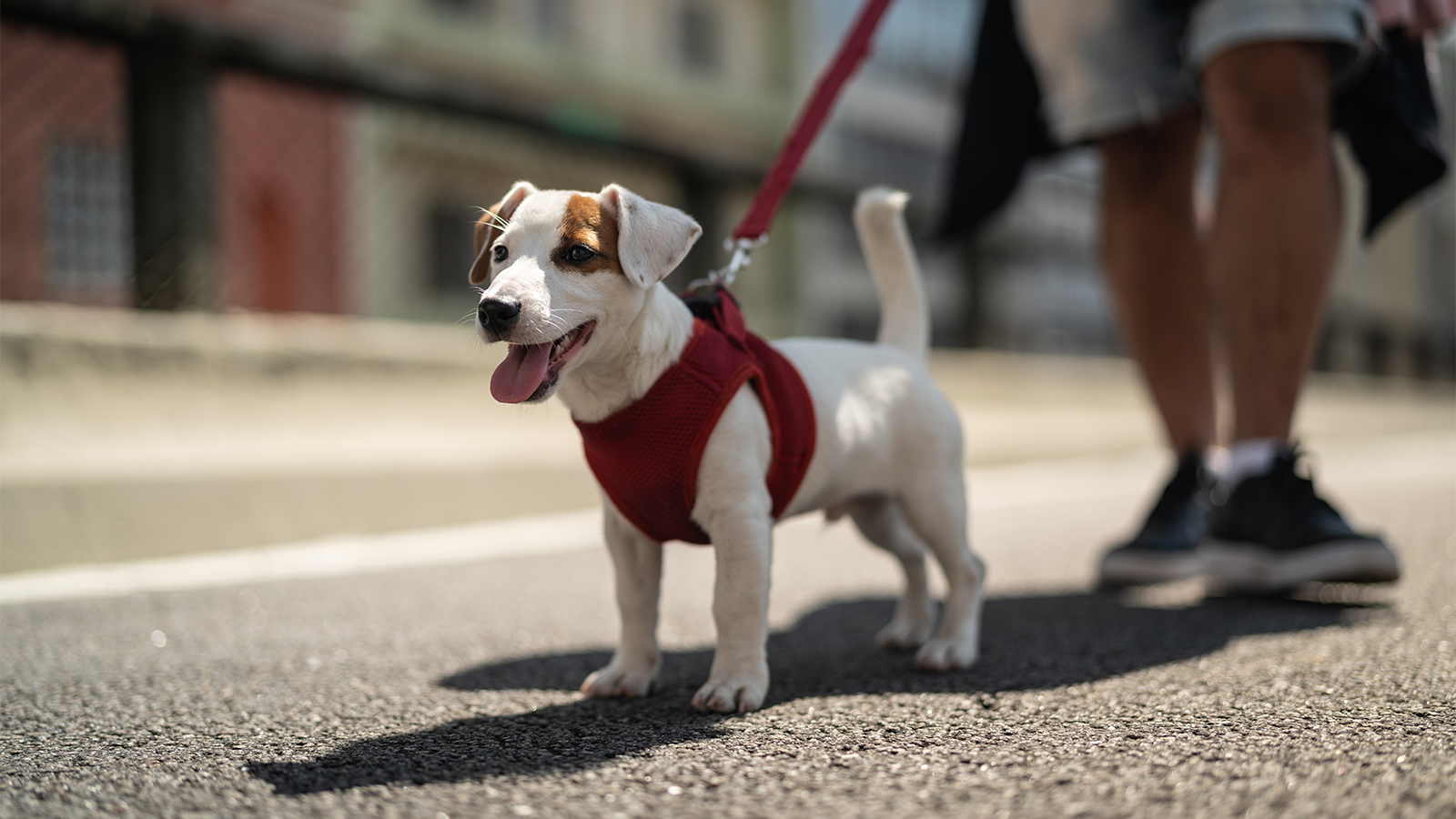
Training starts before you even step outside. Setting the right foundation makes everything easier and more effective.
Teach Basic Commands First
Simple commands help you guide your dog during walks.
Start with:
- Sit
- Stay
- Come
These commands give you control and help your dog understand expectations.
Create a Calm Mindset
A calm dog learns faster than an excited one. I noticed a huge difference when I started focusing on this.
You can:
- Wait until your dog relaxes before leaving
- Avoid rushing out the door
- Keep your energy calm
Set Realistic Expectations
Leash training takes time, and progress may be slow at first.
Keep in mind:
- Consistency matters more than speed
- Small improvements count
- Patience is key
Step-by-Step Guide to Teaching Loose Leash Walking
:max_bytes(150000):strip_icc():format(webp)/spruce-pets-loose-leash-2025-20dd75b9d9c94a9da81a2cfb0e8f8504.png)
This is where the real training happens. It may feel repetitive, but each step builds on the last.
Start in a Low-Distraction Area
Begin training in a quiet space where your dog can focus.
Good places include:
- Your home
- Backyard
- Quiet street
Reward the Right Position
Your dog should walk beside you without pulling.
Encourage this by:
- Giving treats when the leash is loose
- Praising calm walking
- Reinforcing good behavior
Stop When Your Dog Pulls
This was the biggest lesson for me. Moving forward while your dog pulls teaches them that pulling works.
Instead:
- Stop walking immediately
- Wait for the leash to loosen
- Continue once calm
Practice Consistently
Consistency is what turns training into habit.
Make sure to:
- Practice daily
- Keep sessions short
- Stay patient
Using Positive Reinforcement Effectively
:strip_icc()/GettyImages-1164933752-c635f6c4f96047ea8e562d0c0a0d3611.jpg)
Positive reinforcement changed everything in my training journey. It helped my dog understand what I wanted without fear or confusion.
Choose the Right Rewards
Not all treats work the same, and your dog’s preference matters.
Good rewards include:
- Small soft treats
- Favorite snacks
- Verbal praise
Timing Is Everything
Rewarding at the right moment helps your dog connect behavior with reward.
Best practices:
- Reward immediately
- Keep it consistent
- Avoid delays
Encourage Focus
Keeping your dog’s attention on you makes walking easier.
You can:
- Call their name
- Use hand signals
- Reward eye contact
Mistakes That Reinforce Pulling Behavior

I made several mistakes early on, and they slowed down my progress. Avoiding these can save you a lot of frustration.
Inconsistency
Allowing pulling sometimes confuses your dog.
Avoid:
- Letting them pull occasionally
- Changing rules mid-walk
- Being inconsistent
Reacting with Frustration
Dogs pick up on your emotions, and frustration can make things worse.
Stay calm by:
- Taking breaks
- Keeping sessions short
- Managing expectations
Using Incorrect Timing
Poor timing can confuse your dog and slow learning.
Watch out for:
- Late rewards
- Rewarding wrong behavior
- Missing key moments
How to Handle Distractions During Walks
Distractions are one of the biggest challenges during leash training. I remember how difficult it was when my dog saw other dogs or people.
Start with Controlled Exposure
Do not jump into busy environments right away.
Instead:
- Introduce distractions gradually
- Increase difficulty slowly
- Build confidence step by step
Redirect Attention
When your dog becomes distracted, guide their focus back to you.
Helpful techniques:
- Use treats
- Call their name
- Change direction
Stay Calm and Patient
Your reaction sets the tone for your dog.
Keep things calm by:
- Avoiding sudden movements
- Using a steady voice
- Staying relaxed
Training Techniques to Stop Pulling
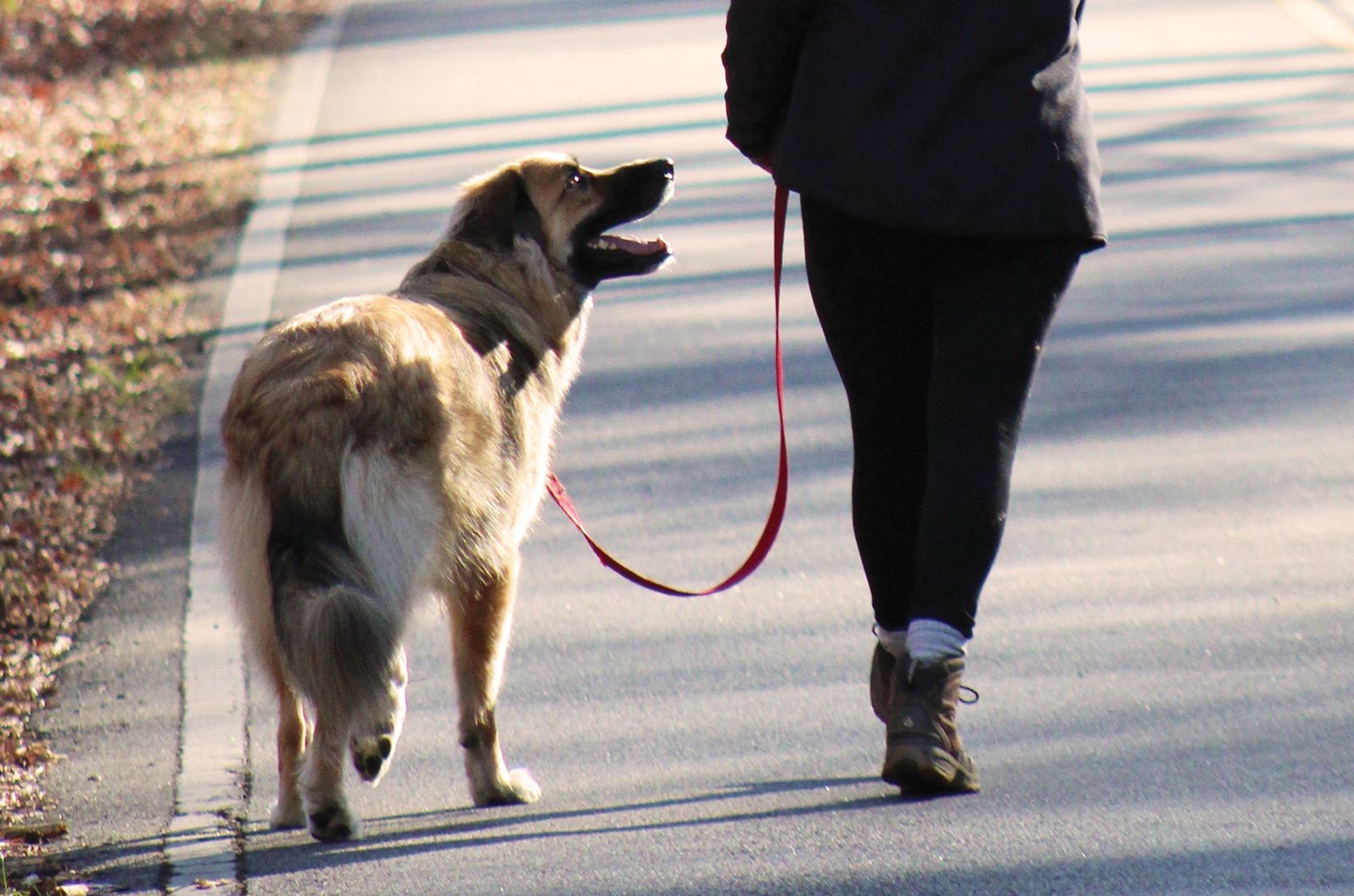
Different techniques work for different dogs, and sometimes you need to try a few before finding what works best.
Stop-and-Wait Method
This method teaches your dog that pulling stops progress.
How it works:
- Stop when pulling starts
- Wait for slack in the leash
- Resume walking
Change Direction Technique
Changing direction keeps your dog focused on you.
Steps include:
- Turn when your dog pulls
- Walk the opposite way
- Reward when they follow
Reward-Based Walking Drills
Practice makes perfect, and drills can help reinforce good habits.
Try:
- Short practice walks
- Frequent rewards
- Repetition
Dealing With Strong or Stubborn Dogs

Some dogs are naturally stronger or more determined, which can make training more challenging.
Adjust Your Approach
What works for one dog may not work for another.
You may need to:
- Use more rewards
- Train for shorter periods
- Increase consistency
Build Patience
Progress may take longer, but it is still possible.
Stay patient by:
- Celebrating small wins
- Staying consistent
- Avoiding frustration
Use Additional Support
Sometimes extra tools or strategies can help.
Consider:
- Training harnesses
- Professional advice
- Structured routines
Creating a Consistent Walking Routine
Routine helps turn training into habit. Once I established a routine, everything became easier and more predictable.
Daily Practice
Short, regular sessions work better than long, occasional ones.
Focus on:
- Daily walks
- Consistent timing
- Repetition
Build Habits Over Time
Habits form through repetition and consistency.
You will notice:
- Less pulling
- Better focus
- Improved behavior
Track Progress
Keeping track of progress helps you stay motivated.
You can:
- Note improvements
- Adjust training
- Celebrate milestones
When to Seek Professional Training Help

Sometimes, despite your best efforts, you may need extra help. There is nothing wrong with that.
Signs You Need Help
Certain situations may require professional support.
Look for:
- Persistent pulling
- Aggressive behavior
- Lack of progress
Benefits of Professional Training
A professional can provide guidance tailored to your dog.
They can help with:
- Advanced techniques
- Behavior correction
- Faster progress
Conclusion
Leash training takes time, but it is one of the most rewarding things you can do for your dog. Once you get it right, walks become something you both enjoy instead of struggle through. Stay patient, stay consistent, and trust the process, you will see results.