5 Common Dog Behavior Problems and How to Fix Them
Living with a dog is incredibly rewarding, but it can also test your patience sometimes. I learned this firsthand after dealing with nonstop barking, chewing disasters, and jumping issues with my own dog. The good news is that most behavior problems can improve with consistency, patience, and understanding what your dog is trying to communicate.
Why Dogs Misbehave: Common Causes Behind Behavioral Issues
Most dogs are not trying to be difficult on purpose. Behavioral problems usually happen because a dog feels bored, anxious, confused, overstimulated, or undertrained.
Dogs rely heavily on structure and routine. When they do not receive enough exercise, mental stimulation, or guidance, unwanted habits often start appearing naturally.
I realized this after my own dog began chewing furniture daily. At first, I thought she was simply being stubborn. Later, I discovered she was under-exercised and mentally bored during long afternoons indoors.
Lack of Physical Exercise
Many dogs have far more energy than owners expect. Without proper exercise, that energy usually gets redirected into destructive or frustrating behaviors.
Common signs of under-exercised dogs include:
- Excessive barking
- Restlessness indoors
- Chewing furniture
- Digging constantly
- Hyperactivity
- Jumping on people
Daily walks alone are not always enough, especially for active breeds.
Mental Stimulation Matters Too
Mental exercise can tire dogs just as effectively as physical activity. Puzzle toys, obedience practice, scent games, and short training sessions help reduce boredom significantly.
Even ten minutes of focused training can improve behavior throughout the day. Dogs enjoy having a task or purpose.
Simple activities that help mentally stimulate dogs include:
- Hide and seek games
- Snuffle mats
- Treat puzzles
- Learning new commands
- Scent tracking games
Once I added more mental games into our routine, I noticed calmer behavior almost immediately.
Inconsistent Rules Create Confusion
Dogs learn through repetition and consistency. If rules constantly change, dogs struggle to understand expectations clearly.
For example, allowing jumping sometimes but correcting it other times sends mixed signals. Dogs become confused rather than intentionally disobedient.
Consistency from everyone in the household makes a massive difference during training.
1. Excessive Barking: Why Dogs Bark Too Much and How to Stop It
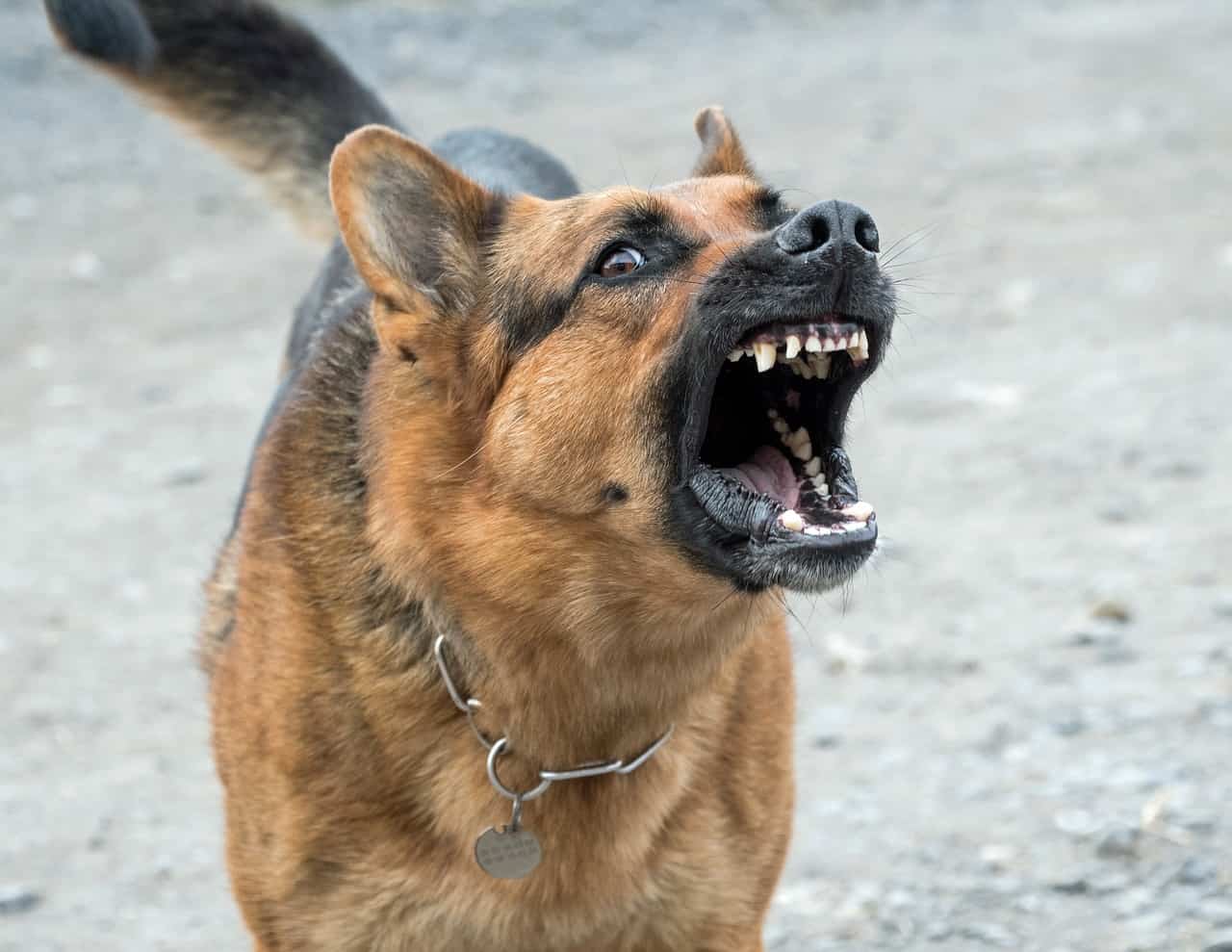
Barking is completely natural for dogs, but constant barking can become exhausting quickly. Understanding why your dog barks is the first step toward fixing the behavior.
Some dogs bark because they feel bored. Others bark from excitement, fear, anxiety, or territorial instincts. Different causes require different solutions.
My own dog barked nonstop whenever someone walked past the window. I initially tried scolding her repeatedly, but that only increased her excitement and stress.
Common Reasons Dogs Bark Excessively
Dogs bark for many different reasons depending on the situation and environment.
The most common causes include:
- Boredom and excess energy
- Attention-seeking behavior
- Fear or anxiety
- Territorial instincts
- Loneliness
- Excitement during play
Paying attention to when and where barking happens can help identify the trigger.
How to Reduce Attention-Seeking Barking
Some dogs quickly learn that barking gets attention, even negative attention. Talking, yelling, or reacting strongly may accidentally reward the behavior.
Instead, wait for calm silence before giving attention. Reward quiet behavior consistently with praise or treats.
This approach felt difficult at first because ignoring barking seems counterintuitive. However, it became much more effective over time than constantly reacting emotionally.
Teaching the “Quiet” Command
Training a quiet command can help control barking without punishment. Start by allowing a few barks, then calmly say “quiet” while holding a treat.
The moment your dog stops barking, reward immediately. Repetition helps build the connection between silence and positive rewards.
Helpful barking management techniques include:
- Blocking window distractions
- Increasing exercise
- Using calming routines
- Rewarding silence consistently
- Avoiding yelling during barking episodes
Yelling often sounds like barking to dogs, which may actually encourage more noise.
2. Chewing and Destructive Behavior in Dogs

Chewing is one of the most common frustrations dog owners face. Puppies chew during teething, while adult dogs often chew from boredom, stress, or anxiety.
Dogs naturally explore the world with their mouths. The problem begins when furniture, shoes, pillows, or walls become their favorite targets.
I remember coming home once to find an entire couch cushion destroyed. At the time it felt infuriating, but later I understood my dog had been left alone too long without enough stimulation.
Why Dogs Develop Destructive Habits
Chewing problems usually have an underlying cause rather than simple disobedience.
Common reasons include:
- Teething discomfort
- Separation anxiety
- Lack of exercise
- Stress or nervousness
- Boredom during long periods alone
Understanding the root cause helps prevent the behavior more effectively.
Redirecting Chewing Behavior Properly
Punishing dogs after the damage is already done rarely helps because dogs do not connect delayed punishment to earlier actions.
Instead, redirect chewing immediately toward appropriate toys whenever possible. Praise your dog for chewing acceptable items.
Rotating toys regularly can also keep dogs interested and mentally engaged.
Choosing the Right Chew Toys
Not all chew toys work equally well. Some dogs prefer softer textures, while others need durable options for heavy chewing.
Helpful chew options include:
- Rubber chew toys
- Rope toys
- Frozen teething toys
- Treat-dispensing toys
- Durable nylon chews
Experimenting with different textures can help you discover what your dog enjoys most.
Preventing Destruction While You’re Away
Management matters just as much as training. Preventing access to tempting items helps reduce opportunities for destructive behavior.
Simple prevention strategies include:
- Crate training properly
- Limiting unsupervised access
- Providing enrichment toys
- Exercising before leaving home
- Creating a calm routine
Once I started exercising my dog before leaving the house, destructive behavior dropped dramatically.
3. Jumping on People: How to Teach Dogs Proper Greetings

Many dogs jump because they feel excited and want attention. While it may seem harmless at first, jumping can become overwhelming for guests, children, or elderly people.
Dogs often repeat behaviors that successfully gain attention. Even pushing dogs away can accidentally reinforce jumping because physical interaction still feels rewarding to them.
Why Dogs Jump on People
Dogs naturally greet face-to-face. Jumping brings them closer to your face and often gets a reaction immediately.
Common reasons for jumping include:
- Excitement during greetings
- Seeking attention
- Lack of impulse control
- Reinforced puppy behavior
- Overstimulation
Many owners accidentally encourage jumping during puppyhood because it initially feels cute.
Rewarding Calm Greetings
The best way to stop jumping is by rewarding calm behavior instead of reacting strongly to excitement.
When your dog jumps, avoid eye contact and attention briefly. The moment all four paws return to the floor, reward calmly with praise or treats.
Consistency matters enormously here. Everyone interacting with the dog should follow the same approach.
Teaching an Alternative Behavior
Dogs respond better when given a replacement behavior instead of simply being told what not to do.
Teaching commands like “sit” during greetings gives dogs something productive to focus on instead of jumping.
Helpful greeting training strategies include:
- Asking for a sit before petting
- Ignoring jumping behavior
- Rewarding calm posture
- Practicing greetings regularly
- Keeping arrivals low-energy
Excited greetings from owners can sometimes unintentionally increase jumping behavior.
Managing Overexcited Dogs Around Guests
Some dogs become especially hyper around visitors. In these situations, short leash control or temporary separation can help until excitement decreases.
Allowing dogs to calm down before greeting visitors often creates better habits long term.
I personally noticed huge improvements after asking guests to ignore my dog for the first few minutes instead of encouraging frantic greetings immediately.
4. Aggression in Dogs: Causes and Safe Ways to Manage It
:strip_icc()/GettyImages-522389990-5a8331ca875db90037f10cde.jpg)
Aggression can feel scary and emotionally overwhelming for dog owners. However, aggressive behavior often comes from fear, insecurity, stress, or poor socialization rather than dominance alone.
Understanding the reason behind aggression is extremely important because punishment may worsen fear-based reactions significantly.
Dogs usually show warning signs before aggressive incidents escalate fully.
Common Types of Dog Aggression
Aggression can appear in different forms depending on the situation.
Some common types include:
- Fear aggression
- Territorial aggression
- Resource guarding
- Leash aggression
- Protective aggression
Identifying the trigger helps guide safer training approaches.
Warning Signs Owners Should Never Ignore
Dogs rarely bite without showing earlier stress signals first. Learning body language can help prevent dangerous situations.
Warning signs may include:
- Growling
- Stiff body posture
- Raised fur
- Intense staring
- Lip curling
- Snapping
Ignoring these signals may increase risk because dogs may escalate when discomfort continues unnoticed.
Avoiding Punishment-Based Training
Harsh punishment often increases fear and anxiety, especially in already reactive dogs. This can worsen aggression instead of solving it.
Positive reinforcement methods usually create more trust and confidence over time.
Calm redirection and controlled exposure work far better than intimidation for many dogs.
Building Confidence Through Socialization
Many fearful dogs benefit from gradual, positive exposure to new experiences. The goal is helping dogs feel safe rather than overwhelmed.
Helpful confidence-building activities include:
- Controlled introductions
- Calm reward-based training
- Slow exposure to triggers
- Structured routines
- Predictable environments
Patience becomes incredibly important during this process.
Knowing When Professional Help Is Needed
Some aggression cases require experienced professional guidance, especially when safety risks exist.
Seek help if your dog:
- Attempts to bite regularly
- Guards food aggressively
- Reacts unpredictably
- Injures people or animals
- Shows escalating behavior
Professional trainers and veterinary behaviorists can provide structured behavior plans tailored to your dog’s specific needs.
Final Thoughts
Most dog behavior problems improve when owners focus on consistency, patience, and understanding the root cause behind the behavior. Dogs are constantly communicating through their actions, even when those actions become frustrating.
What helped me most personally was realizing that training is not about controlling a dog through fear. It is about building trust, structure, and communication over time.
Some improvements happen quickly, while others take weeks or months of repetition. The key is staying patient and celebrating small progress along the way. With the right approach, even difficult behavior problems can become manageable, and your relationship with your dog often grows even stronger because of it.