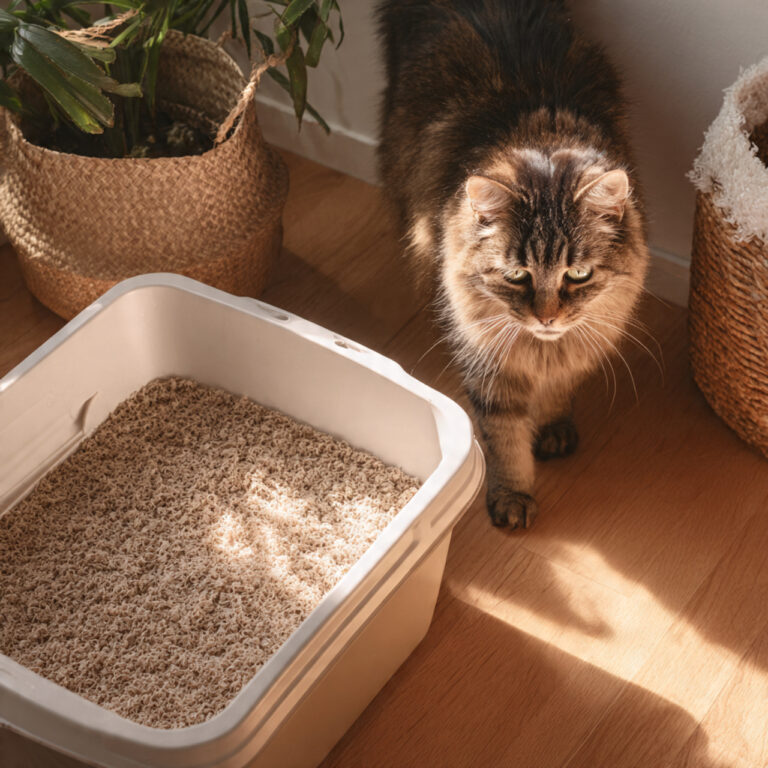
Why Is My Cat Aggressive? Common Causes and Simple Solutions That Work
Cat aggression can feel upsetting and confusing, especially when it appears suddenly or seems directed at you. I remember feeling hurt and unsure the first time it happened. Over time, I learned that aggression is rarely random.
It is usually a sign of stress, fear, or unmet needs, and understanding those signals is the first step toward fixing the problem calmly and effectively.
Why Is My Cat Aggressive?
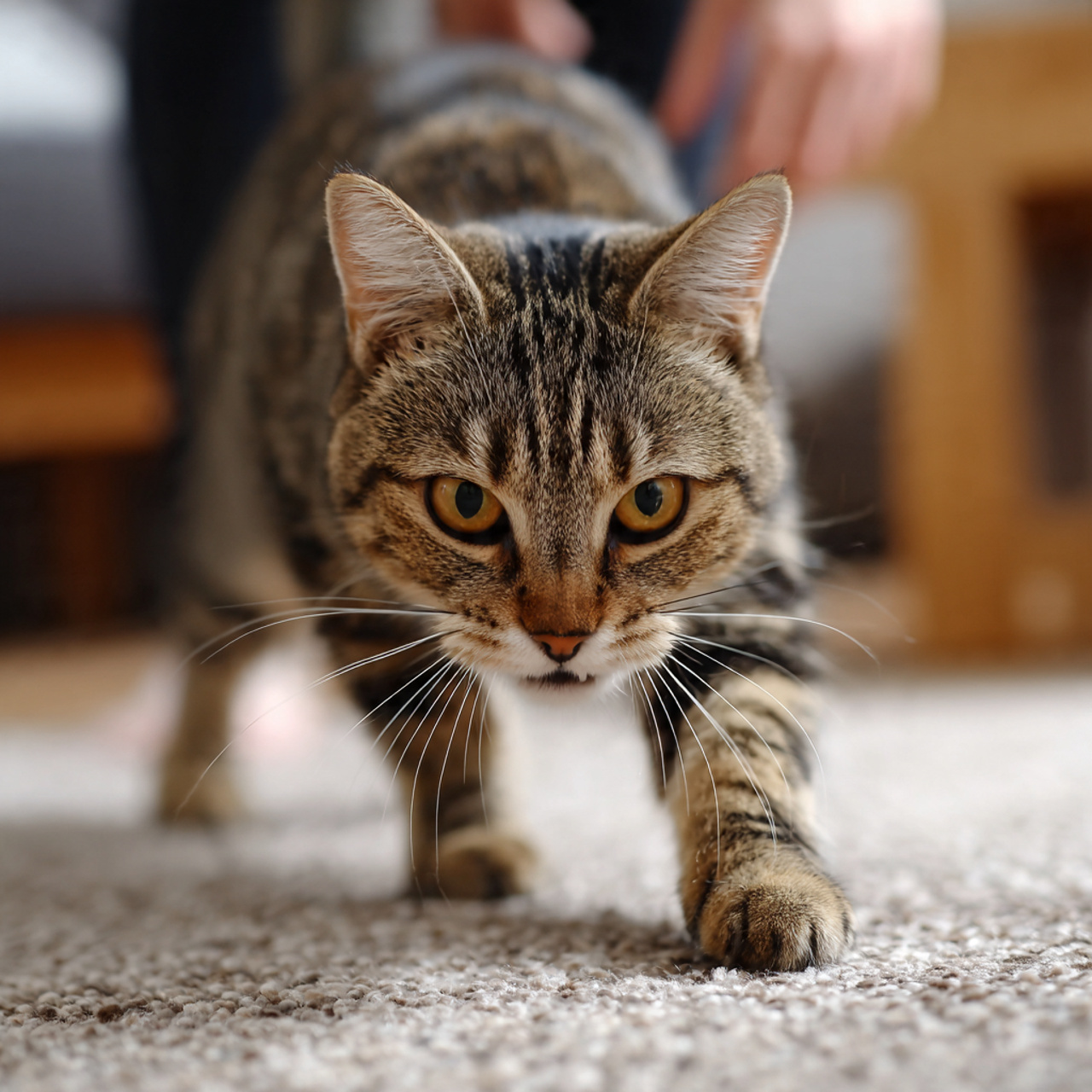
Aggression in cats is rarely about being mean or difficult. Cats use behavior as communication, especially when they feel overwhelmed, scared, or misunderstood. Aggression is often the last signal after quieter warnings go unnoticed.
I learned that cats usually give subtle signs before acting out. When those signals are missed, biting, scratching, or hissing becomes their way of creating distance or protecting themselves.
Some cats react aggressively only in specific situations. Others show repeated behavior patterns that slowly become habits. Understanding which type you are dealing with helps guide the response.
Aggression can also feel sudden because cats hide stress well. What looks like a sudden change often builds over days or weeks before showing outwardly.
When owners see aggression as communication rather than defiance, it becomes easier to respond calmly instead of emotionally.
Common signs that aggression is building include:
- Flattened ears or twitching tail
- Dilated pupils and tense posture
- Growling, hissing, or low vocal sounds
- Avoidance followed by sudden reaction
These signs often appear before physical aggression.
Aggression can also vary in intensity. Some cats swat without claws, while others bite hard. Both matter, even if injuries are minor.
Understanding your cat’s normal behavior helps identify when something is off. Small changes usually mean something deeper is happening.
Aggression is often situational rather than permanent. Identifying patterns is the first step toward reducing it.
Common Reasons Why Your Cat is Aggressive
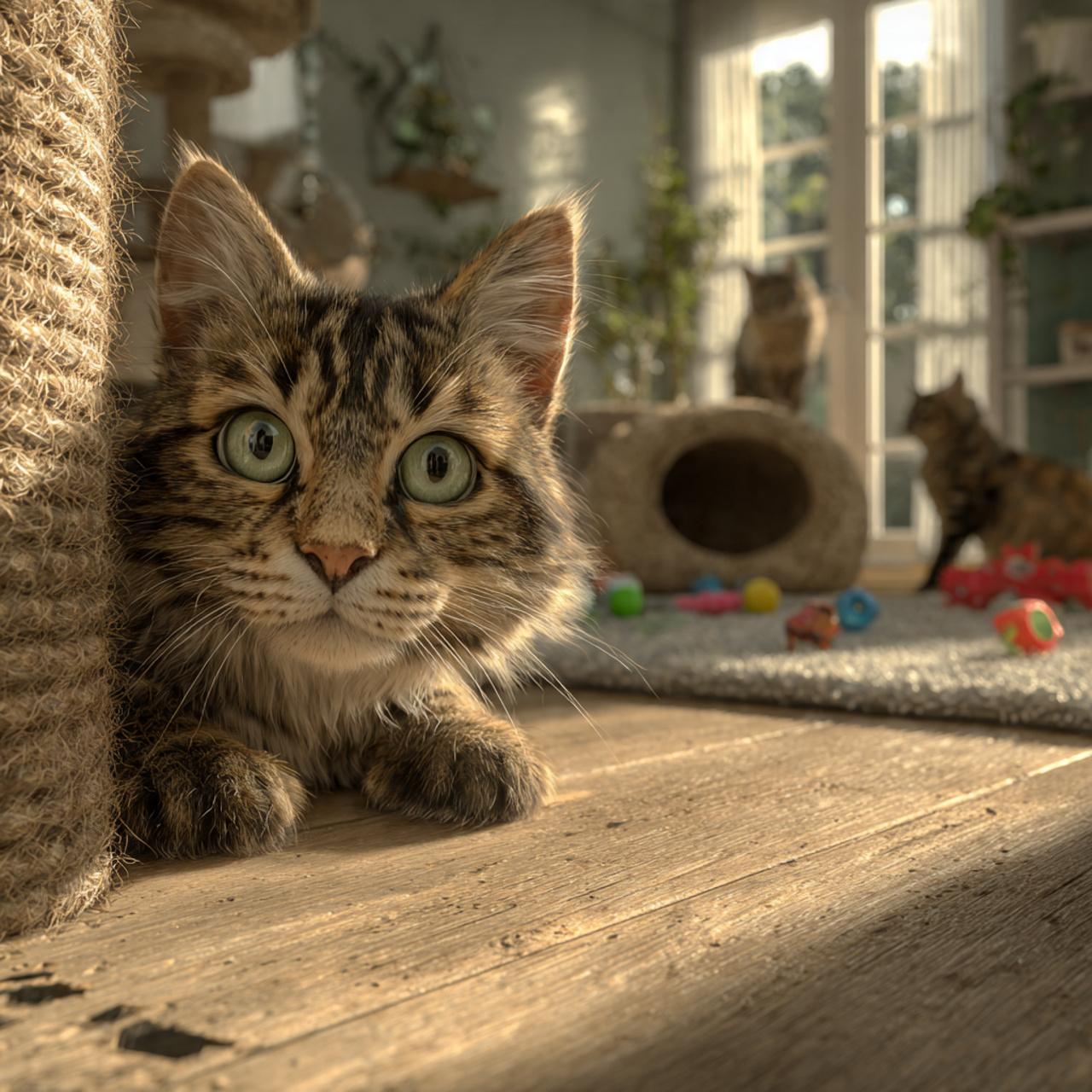
Most cat aggression has a clear cause once you look closely. I discovered that many triggers were things I never considered stressful at first.
Fear and anxiety are among the most common causes. Loud noises, unfamiliar people, new pets, or sudden changes in routine can overwhelm cats quickly.
Play aggression is another frequent cause, especially in younger or indoor cats. Without enough stimulation, cats release energy through rough play.
Territorial behavior often shows up when cats feel their space is threatened. This can happen in multi-cat homes or when outside animals are visible.
Pain and medical issues should never be overlooked. Cats in discomfort may lash out simply because touch or movement hurts.
Past experiences also matter. Cats that were mishandled, abandoned, or poorly socialized may react defensively in certain situations.
Common causes of aggression include:
- Fear from loud sounds or sudden changes
- Lack of physical or mental stimulation
- Territorial stress over space or resources
- Pain, illness, or injury
- Past trauma or negative handling
More than one cause can exist at the same time.
Aggression toward specific people often comes from fear or confusion. Cats may associate certain movements, smells, or behaviors with stress.
Aggression between cats usually relates to territory or improper introductions. Even cats that once got along can develop tension over time.
Medical causes deserve special attention. Sudden aggression in a normally calm cat should always prompt a vet check.
Identifying the cause takes observation, not punishment. Watching when and where aggression happens reveals valuable clues.
Simple Solutions That Work
Once I stopped reacting emotionally and focused on solutions, things improved faster than I expected. Simple changes often have the biggest impact.
Creating a calm environment is the foundation. Cats feel safer when routines are predictable and spaces are quiet.
Reducing triggers helps lower stress levels. This may mean limiting exposure to loud noises, visitors, or visual stressors like outdoor animals.
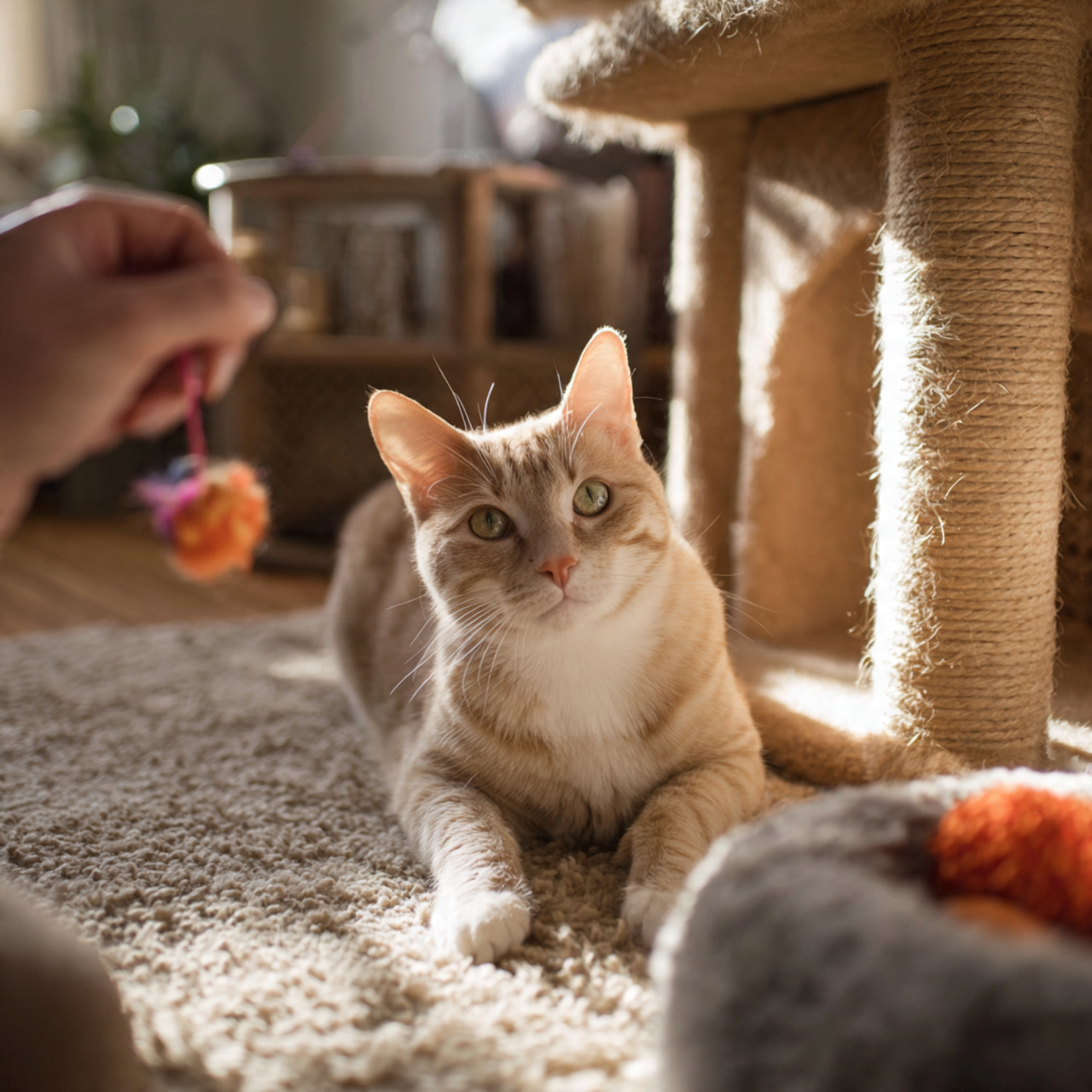
Proper play is one of the most effective tools. Interactive play allows cats to release energy in a safe and controlled way.
Redirecting behavior works better than stopping it. Offering a toy instead of using hands teaches cats what is acceptable.
Never punish aggression. Yelling or physical correction increases fear and reinforces the problem.
Simple solutions that often work include:
- Establishing consistent feeding and play routines
- Using interactive toys daily
- Providing vertical spaces like cat trees
- Creating quiet retreat areas
- Redirecting play with toys instead of hands
Small adjustments add up over time.
In multi-cat homes, increasing resources reduces conflict. More litter boxes, feeding stations, and resting areas ease competition.
Positive reinforcement helps build trust. Reward calm behavior with treats or praise instead of focusing on mistakes.
For fear-based aggression, giving cats space is essential. Forcing interaction usually makes things worse.
Medical issues must be treated first. Behavior often improves naturally once pain or illness is addressed.
Some cases require professional support. Vets or behavior specialists can help when home solutions are not enough.
Progress takes time. Improvement often happens gradually, not overnight.
Conclusion
Cat aggression is challenging, but it is rarely hopeless. Once I understood that aggression was my cat’s way of communicating discomfort, everything changed. The behavior was not personal, it was a signal.
By finding the causes and responding with patience, structure, and calm solutions, most aggressive behaviors can be reduced or resolved. Paying attention, staying consistent, and choosing understanding over punishment builds trust over time.
With the right approach, aggressive moments become less frequent, and the bond between you and your cat grows stronger, calmer, and more secure.