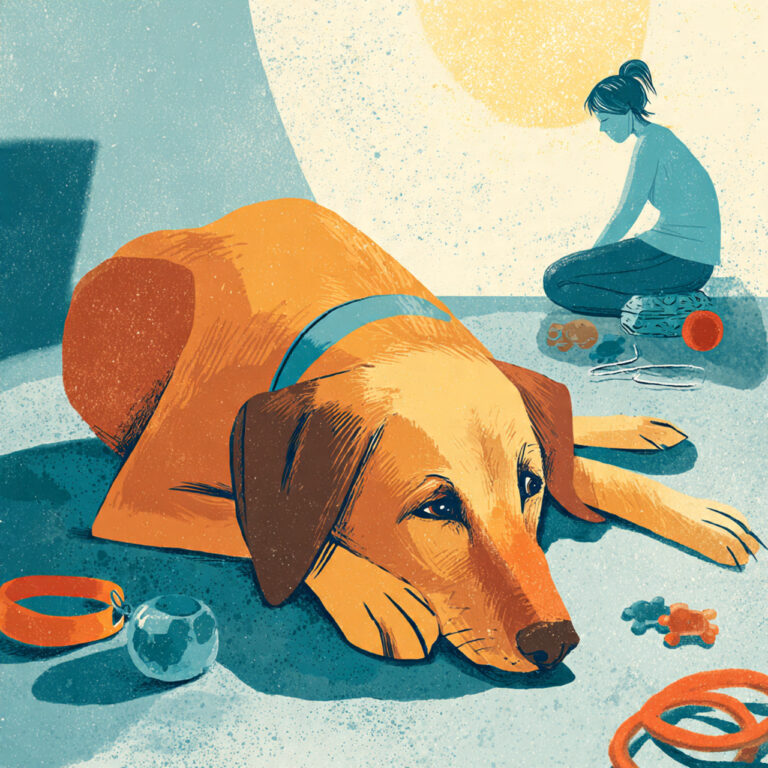
When is The Right Time to Take a Healthy Pet to the Vet?
Many pet owners only think about the vet when something seems wrong. I used to do the same. Over time, I learned that healthy pets also need well-timed vet visits.
These visits are not about fear, they are about prevention, reassurance, and catching small issues before they quietly grow into bigger problems.
What Does “Healthy” Really Means for Pets

A pet that looks healthy on the outside can still have hidden issues developing quietly. I learned this after a routine checkup revealed a small issue I never noticed at home.
Pets are great at hiding discomfort. They eat, play, and act normal even when something feels off, which makes early problems easy to miss without professional checks.
Weight, coat condition, energy levels, and behavior all play a role in determining health. Small changes often happen slowly, so they blend into daily life.
Things that can still affect a healthy-looking pet:
- Early dental disease
- Minor weight changes
- Low-grade infections
- Joint stiffness starting to form
Vet visits help catch these changes early.
The Role of Routine Vet Visits in Long-Term Pet Health
Routine vet visits are about prevention, not panic. They help track your pet’s health over time instead of reacting only when problems become obvious.
During regular checkups, vets compare current findings with past records. This makes subtle changes easier to detect before they turn serious.
I noticed that consistent visits also made my pet calmer at the clinic. Familiarity reduced stress for both of us.
Routine visits usually include:
- Full physical examination
- Weight and body condition checks
- Listening to heart and lungs
- Reviewing diet and lifestyle
These basics build a strong health foundation.
Age-Based Vet Visit Guidelines
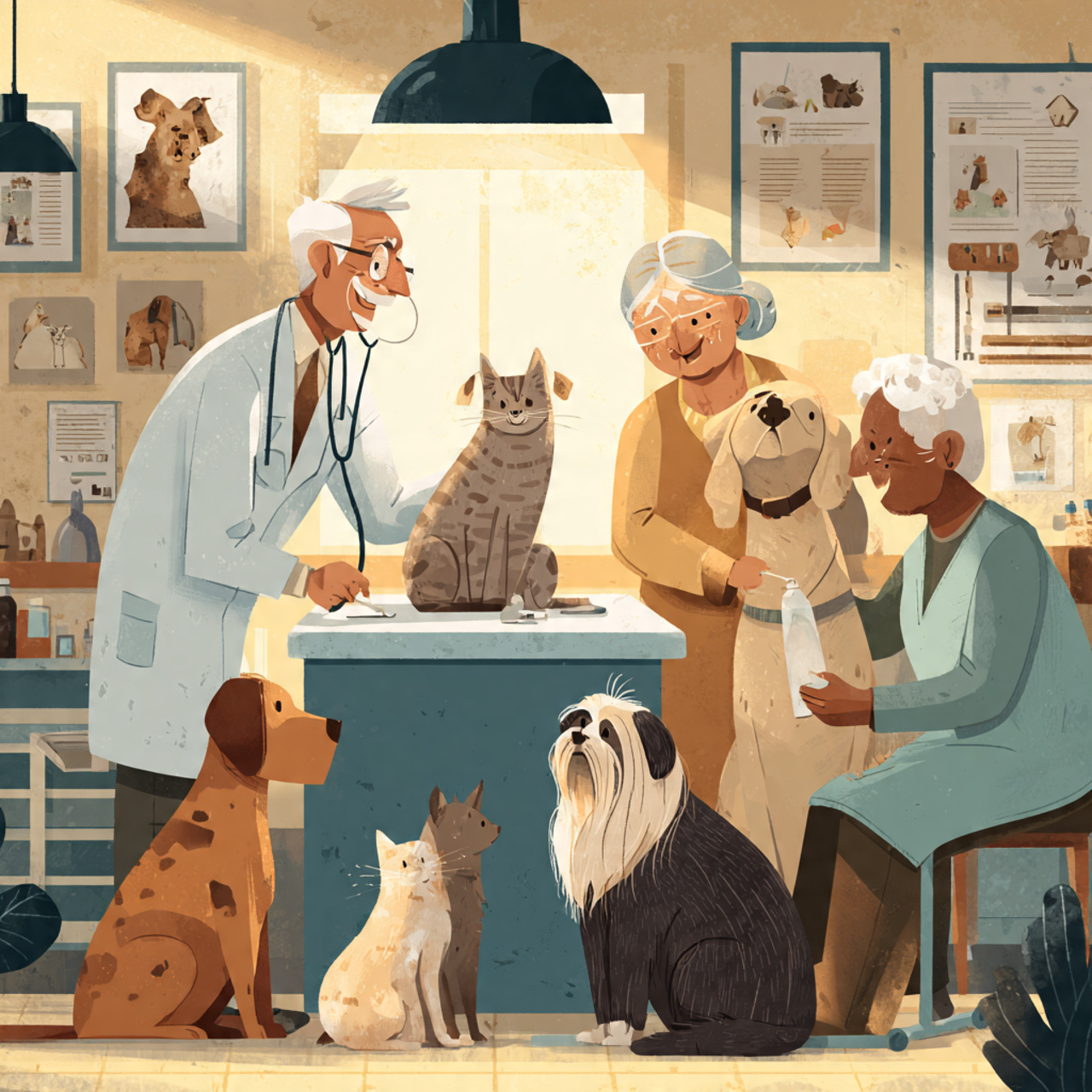
A pet’s age greatly affects how often they should see the vet. Needs change as pets grow, mature, and slow down.
Young pets develop quickly, so frequent visits help ensure proper growth. Adult pets benefit from steady monitoring, while seniors need closer observation.
Skipping age-appropriate visits often means missing key developmental or aging-related changes.
General age-based guidelines:
- Puppies and kittens, several visits in the first year
- Adult pets, at least once per year
- Senior pets, twice yearly when possible
Age-specific care supports long-term health.
Vaccinations and Booster Appointments
Vaccinations protect healthy pets from diseases that are still very present. Even indoor pets are not completely risk-free.
Booster appointments also give vets a chance to check overall health. Many issues are spotted during what seems like a simple vaccine visit.
I learned that keeping vaccines current also simplifies boarding and travel plans later.
Vaccination visits often include:
- Reviewing vaccine schedules
- Physical health checks
- Discussing exposure risks
- Updating medical records
These visits combine protection with prevention.
Parasite Prevention and Screening Visits
Parasites are sneaky and often show no early symptoms. A healthy pet can still carry internal or external parasites without obvious signs.
Routine screening helps catch parasites early before they cause discomfort or spread to other pets.
Preventive care also protects your home and family from parasite exposure.
Parasite-related vet visits may include:
- Fecal testing
- Blood tests for heartworm
- Flea and tick prevention reviews
- Seasonal risk discussions
Prevention is easier than treatment.
Dental Checkups and Oral Health Visits
Dental problems often go unnoticed because pets hide mouth pain well. I was surprised how much dental health affects overall well-being.
Bad breath is often the first sign, but issues usually start long before that appears.
Routine dental checks help avoid painful infections and tooth loss.
Dental-focused visits may involve:
- Checking gums and teeth
- Assessing tartar buildup
- Recommending cleanings
- Discussing at-home care
Healthy mouths support healthy bodies.
Behavior Changes That Warrant a Vet Visit
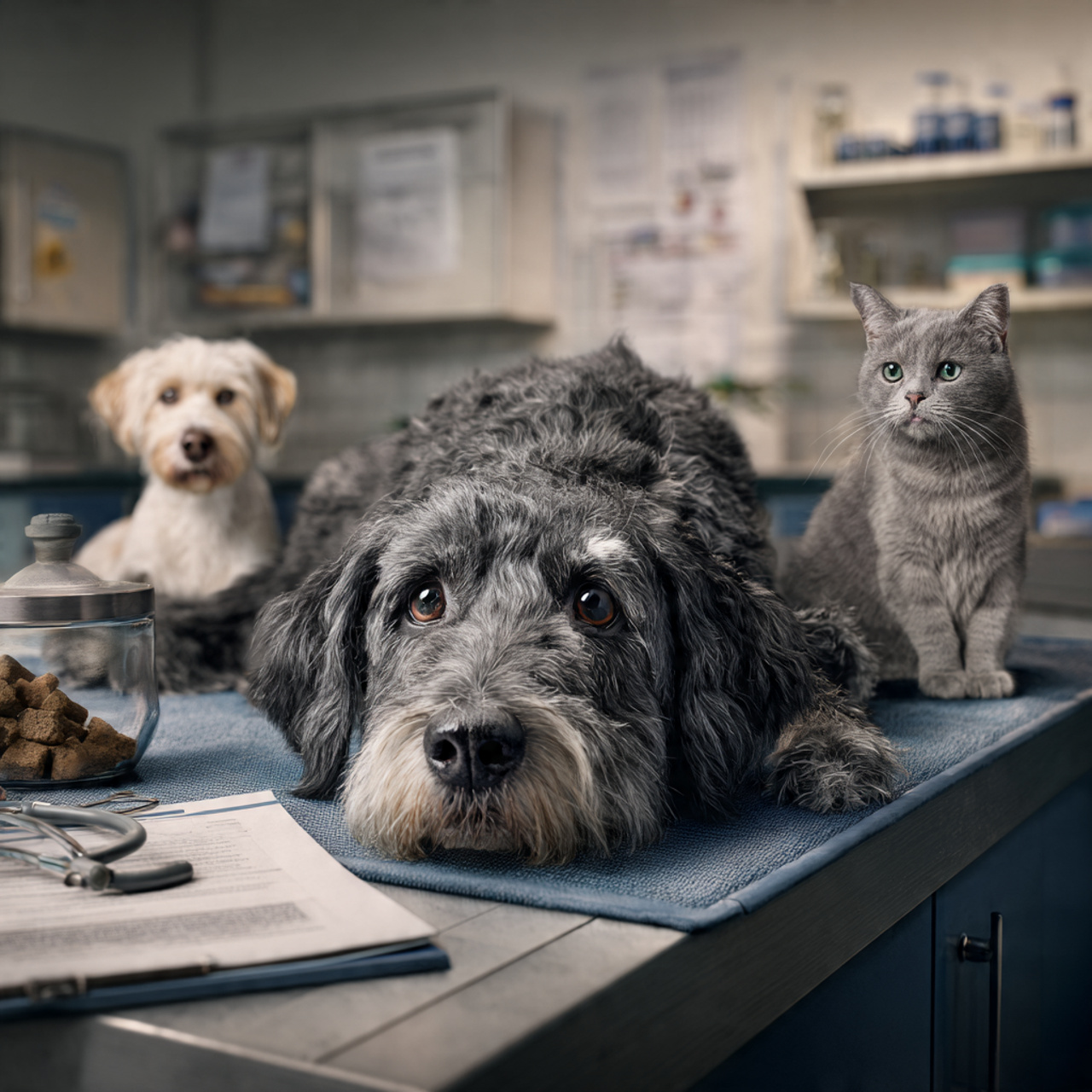
Behavior changes are easy to dismiss, especially when they happen slowly. I learned that behavior is often a health signal, not just a personality shift.
Less playfulness, increased sleep, or irritability can indicate discomfort or stress.
Even small changes are worth discussing with a vet.
Behavior-related signs to watch:
- Reduced interest in activities
- Changes in sleep patterns
- Increased anxiety or aggression
- Avoidance of touch
A quick check can rule out medical causes.
Diet, Weight, and Lifestyle Check Appointments
Diet and weight affect almost every part of a pet’s health. Regular vet check-ins help keep things balanced.
Weight gain often happens slowly, making it hard to notice without regular weighing and assessment.
Lifestyle changes, like less exercise or aging, also impact nutritional needs.
These visits often cover:
- Weight tracking
- Body condition scoring
- Diet adjustments
- Activity level discussions
Small changes prevent long-term problems.
Seasonal and Lifestyle-Based Vet Visits
Different seasons bring different risks. Fleas, ticks, allergies, and heat-related issues all vary throughout the year.
Lifestyle also matters. Outdoor pets face different risks than indoor ones, and travel adds another layer of exposure.
Seasonal visits help prepare rather than react.
Situations that may prompt a visit:
- Seasonal parasite spikes
- Travel or relocation plans
- Increased outdoor activity
- Environmental changes
Timing visits with seasons improves prevention.
Pre-Surgery, Boarding, and Travel Health Exams
Some situations require vet visits even when your pet is perfectly healthy. These visits protect your pet and others.
Boarding facilities often require proof of health and vaccination. Travel may require certificates or exams.
Pre-surgery exams ensure your pet can safely handle anesthesia.
These visits may include:
- Physical exams
- Updated vaccinations
- Health certificates
- Blood work if needed
Planning ahead avoids last-minute stress.
How Often Should You Take a Healthy Pet to the Vet?
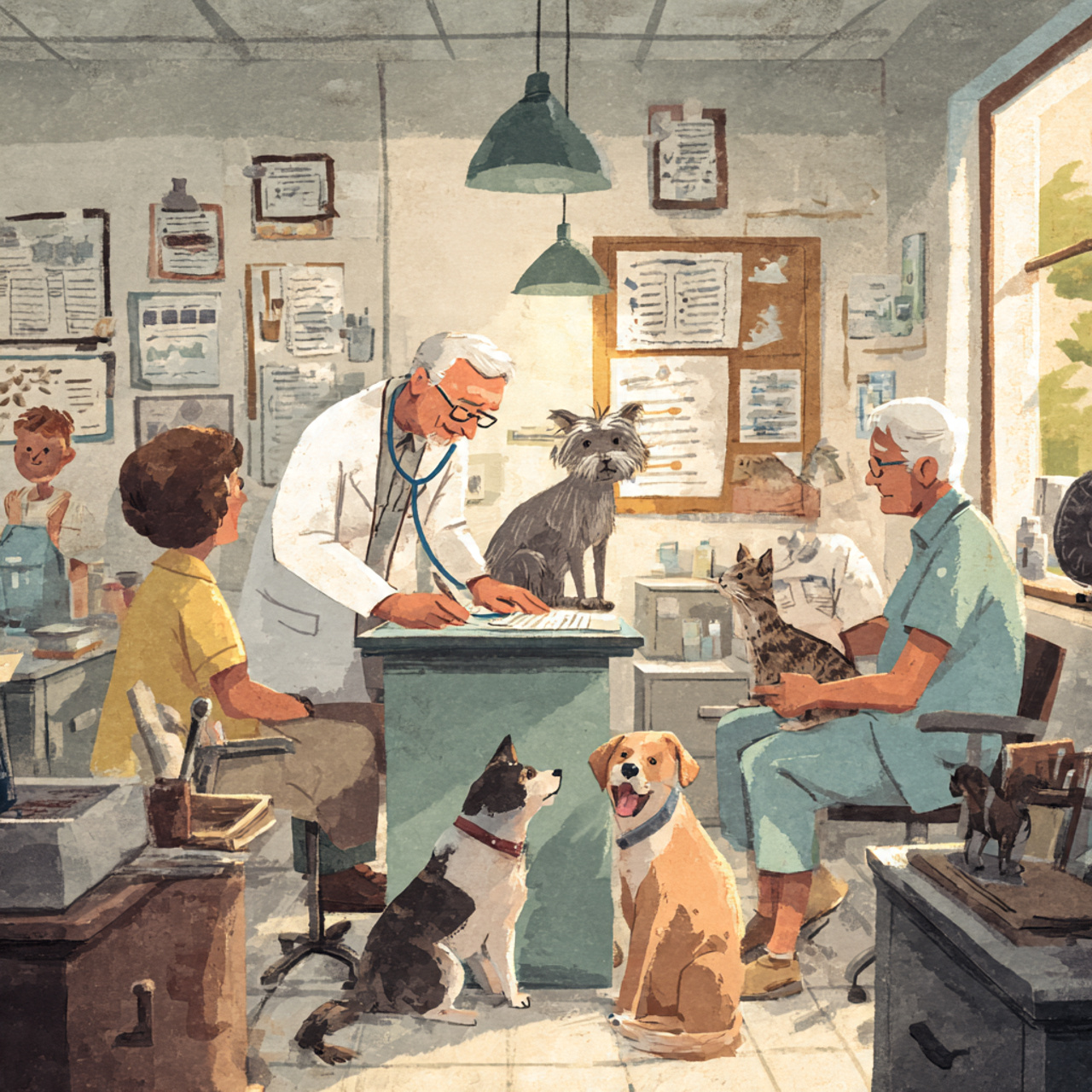
There is no single schedule that fits every pet. Frequency depends on age, health history, and lifestyle.
Annual visits work well for many adult pets, while seniors benefit from more frequent monitoring.
I found that consistent scheduling made vet visits feel routine instead of stressful.
General frequency guidelines:
- Adult pets, once per year
- Senior pets, every six months
- Pets with special needs, as advised
Consistency matters more than perfection.
Conclusion
Taking a healthy pet to the vet is not a sign of worry, it is a sign of care. Regular visits help confirm that everything is truly fine, even when nothing seems wrong at home.
Over the years, I realized that vet visits gave me peace of mind. Knowing a professional had checked my pet made daily care feel more confident and less uncertain.
Preventive visits also build familiarity. Pets that see the vet regularly tend to feel less stressed during appointments, which makes future visits easier for everyone involved.
When vet care becomes routine, it stops feeling like a reaction to problems. Instead, it becomes part of a long-term plan to keep your pet comfortable, active, and healthy for as many years as possible.