How to Litter Train a Cat Successfully: A Simple Step-by-Step Guide
Litter training a cat often feels overwhelming at first, especially if you are worried about accidents or doing something wrong. I felt that same uncertainty in the beginning. With patience, the right setup, and a calm routine, litter training becomes far easier than expected and helps your cat feel secure, confident, and comfortable in their new home.
When to Start Litter Training Your Cat
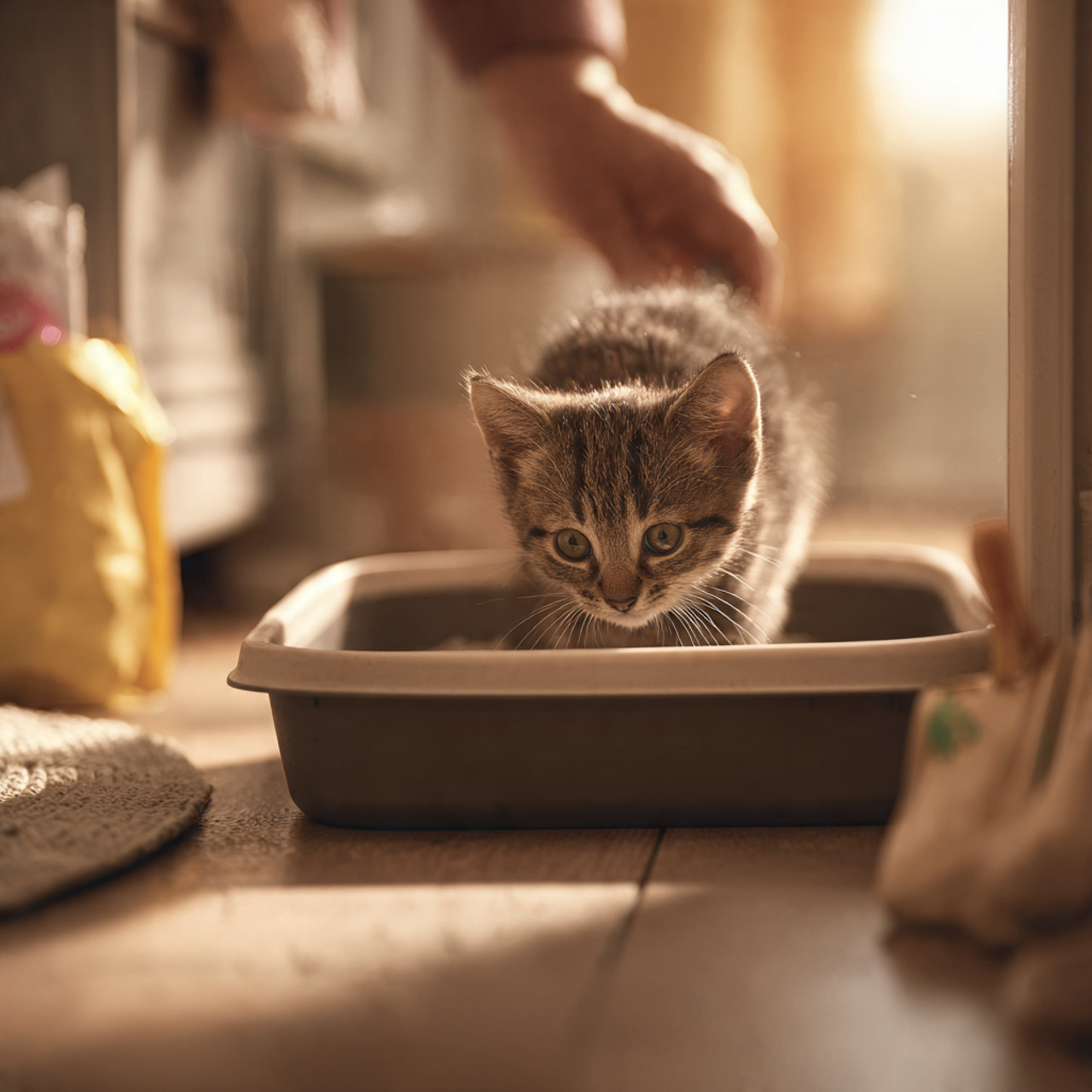
Timing matters when it comes to litter training. Kittens usually learn quickly because their instincts are already wired for digging and covering waste.
Adult or rescue cats may need more patience. Past experiences, stress, or unfamiliar environments can slow progress, but success is still very possible.
Starting calmly sets the tone for long-term habits.
Helpful timing tips:
- Kittens can start as early as four weeks
- Adult cats may need gradual introduction
- Stressful transitions require extra patience
- Consistency matters more than speed
Starting at the right moment helps avoid frustration.
Choosing the Right Litter Box for Successful Training
The litter box itself plays a huge role in training success. I learned that many accidents were not behavior issues, but box design problems.
Cats want easy access and enough space to turn comfortably. A poorly sized box can discourage use even in trained cats.
Comfort encourages consistency.
Key litter box features to consider:
- Large enough for full body movement
- Low entry for kittens or seniors
- Open boxes for nervous cats
- Sturdy design that does not wobble
A good box removes unnecessary barriers.
Selecting the Best Cat Litter for Training
Litter texture and scent matter more than most people realize. Cats are sensitive to how litter feels under their paws.
Strong scents or sharp textures often push cats away. Simple, unscented litter usually works best during training.
Comfort builds confidence.
Litter selection tips:
- Choose unscented options
- Avoid rough or crystal textures
- Stick to one type during training
- Change gradually if needed
The right litter reduces resistance.
Deciding Where to Place the Litter Box
Location can make or break litter training. Cats want privacy, but they also want easy access.
Boxes placed in noisy or busy areas often go unused. I saw immediate improvement after moving the box to a quieter spot.
Placement affects comfort.
Good placement guidelines:
- Quiet, low traffic areas
- Easy access without obstacles
- Away from food and water
- Consistent location
A calm location encourages regular use.
Step-by-Step Guide to Litter Training a Cat
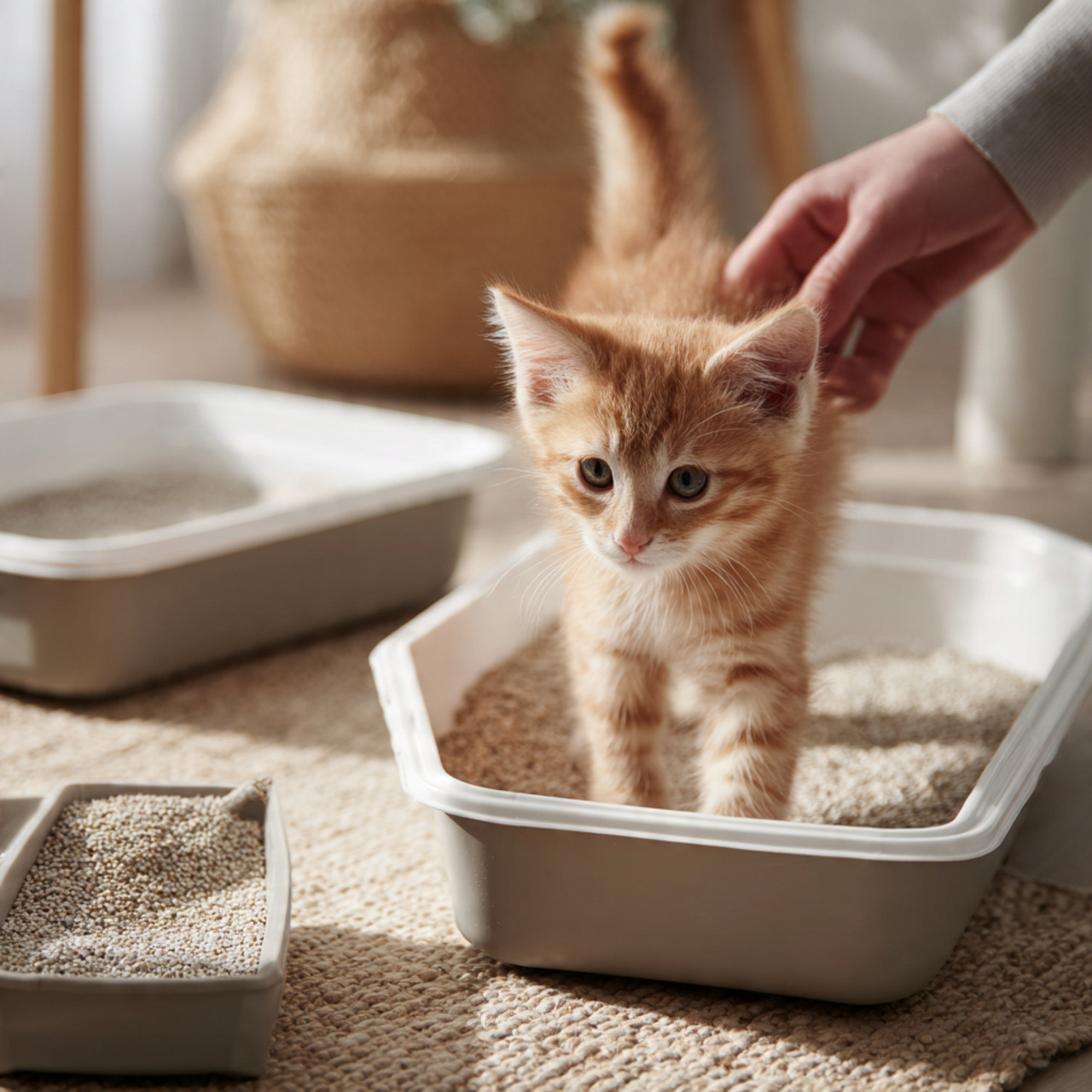
Litter training works best when broken into simple steps. Rushing usually causes setbacks.
Introducing the box slowly helps your cat feel safe. Routine builds trust and habit.
Small steps lead to big success.
Basic training steps:
- Set up box before bringing cat home
- Gently place cat in box after meals
- Praise calmly after use
- Avoid punishment
Consistency makes the process smoother.
How to Teach a Kitten to Use the Litter Box
Kittens learn quickly with gentle guidance. Their natural instincts usually do most of the work.
Placing kittens in the box after naps and meals helps reinforce routine. Calm encouragement works better than correction.
Patience builds confidence.
Helpful kitten training tips:
- Use shallow boxes
- Place kitten in box frequently
- Keep box very clean
- Stay calm and positive
Kittens respond well to repetition.
Litter Training an Adult Cat or Rescue
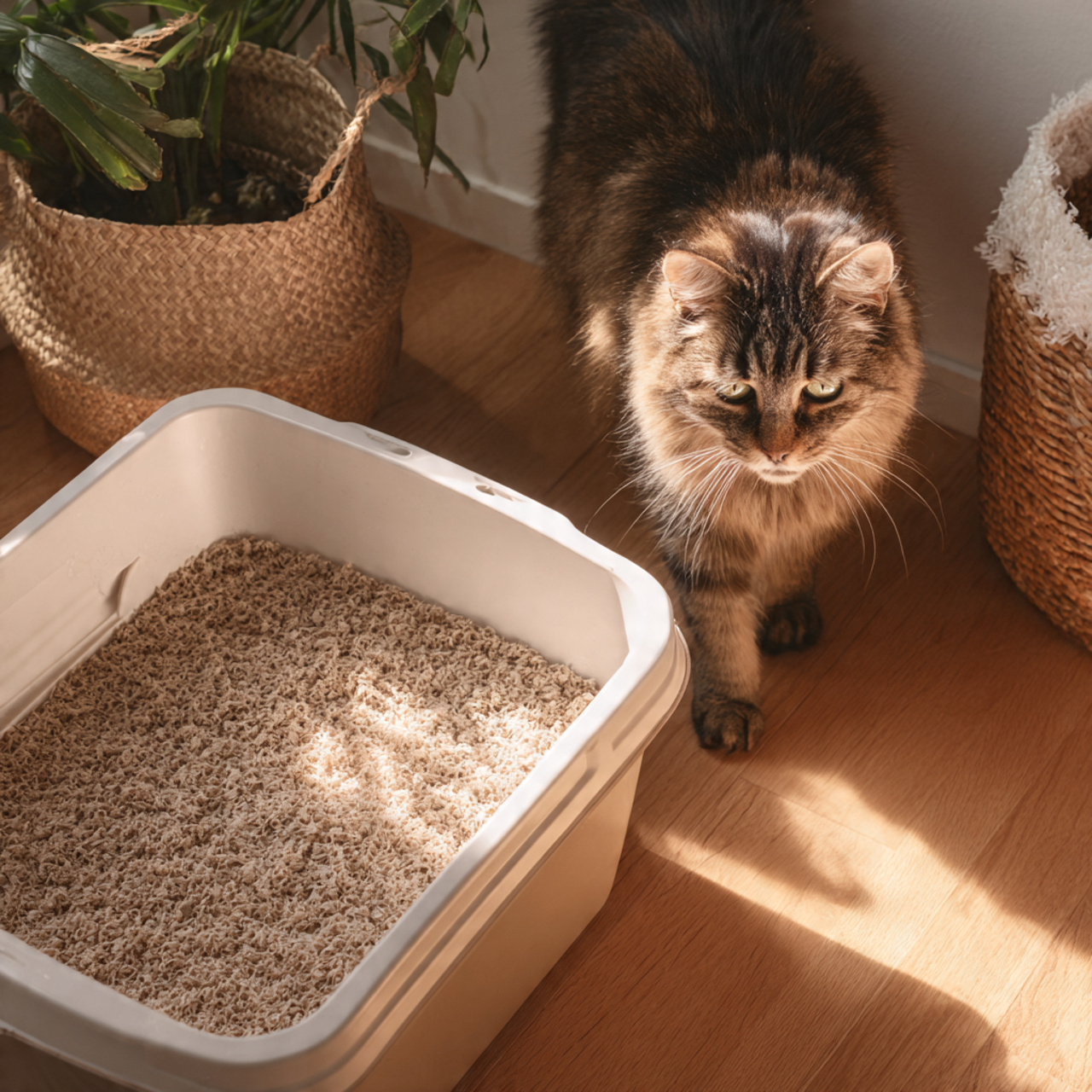
Adult cats may carry habits or fears from past homes. I learned that trust matters more than speed during retraining.
Giving adult cats time to explore the box reduces anxiety. Forcing interaction often backfires.
Respect creates progress.
Helpful approaches for adult cats:
- Limit space initially
- Use familiar litter textures
- Avoid frequent changes
- Reward calm behavior
Trust makes training easier.
Common Litter Training Mistakes to Avoid
Many litter issues come from small mistakes. I made several before understanding what my cat needed.
Punishment, poor cleaning habits, and constant changes often confuse cats rather than correct behavior.
Avoiding mistakes saves time.
Common errors include:
- Using scented cleaners
- Moving boxes too often
- Yelling or punishment
- Infrequent scooping
Small changes prevent big problems.
What to Do If Your Cat Refuses the Litter Box

Refusal usually has a reason. Cats communicate discomfort through behavior.
Instead of assuming defiance, observe patterns. Most refusals stem from box setup, stress, or health concerns.
Observation leads to solutions.
Steps to take when refusal happens:
- Check box cleanliness
- Review litter type
- Reevaluate location
- Monitor behavior closely
Problem solving works better than frustration.
How to Maintain Good Litter Box Habits Long Term
Once training succeeds, maintenance keeps habits strong. Cats appreciate routine and cleanliness.
I noticed fewer accidents when cleaning became predictable. A clean box feels inviting and safe.
Maintenance supports trust.
Long-term habit tips:
- Scoop daily
- Change litter regularly
- Wash boxes monthly
- Replace old boxes
Consistency prevents regressions.
When Litter Box Problems Signal a Health Issue
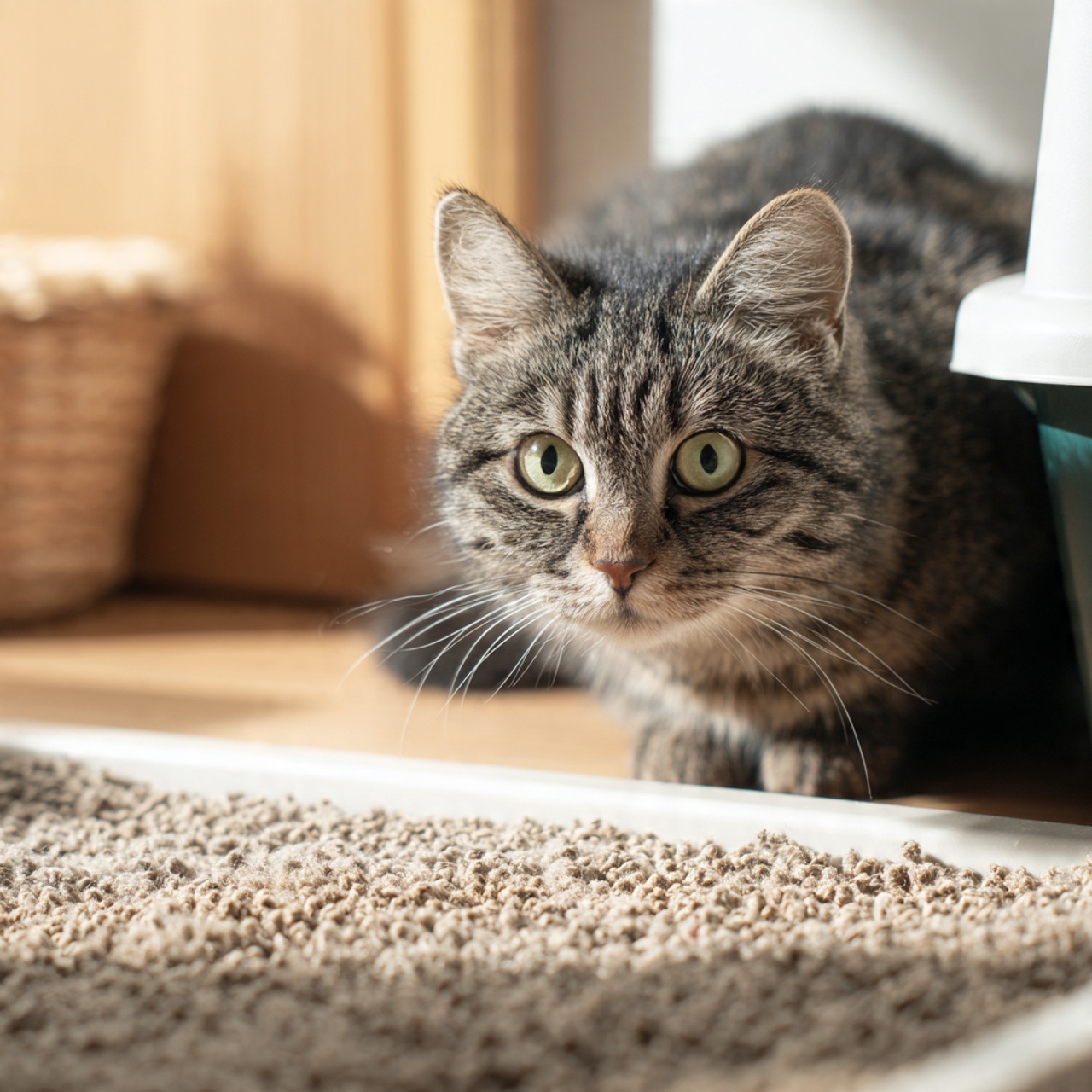
Sometimes litter problems are not training issues at all. Sudden changes often point to medical concerns.
Pain, infections, or digestive problems can cause avoidance. Behavior changes should always be taken seriously.
Health comes first.
Warning signs include:
- Sudden accidents
- Straining or crying
- Blood in urine or stool
- Frequent box visits
Vet care may be necessary.
Conclusion: Helping Your Cat Feel Confident Using the Litter Box
Litter training is less about control and more about understanding your cat. Once I stopped rushing and focused on comfort, progress followed naturally.
Cats want clean, quiet, and familiar spaces. When those needs are met, litter training becomes easy to maintain.
With patience, consistency, and the right setup, most cats learn quickly and stay reliable for life.