Can Cats Eat Human Food? Complete Safety Guide for Cat Owners
Many cat owners wonder if sharing a bite of human food is harmless or helpful. I used to ask the same question. Over time, I learned that some foods are safe in small amounts, while others can quietly cause serious harm.
How a Cat’s Digestive System Differs From Humans
Cats process food very differently from humans. Their bodies are designed to handle animal-based protein, not the wide variety of foods we eat daily. This difference explains why many human foods upset a cat’s stomach.
Cats lack certain enzymes needed to break down complex carbohydrates, sugars, and plant fibers. Even foods that seem gentle to us can be difficult for cats to digest properly.
Understanding these differences helps prevent accidental health problems caused by well-meaning food sharing.
Key digestive differences to know:
- Cats are obligate carnivores
- Protein is their primary nutritional need
- Carbohydrates are hard for them to process
- Many seasonings irritate their stomach
These facts shape what cats can safely eat.
Why Not All Human Foods Are Safe for Cats
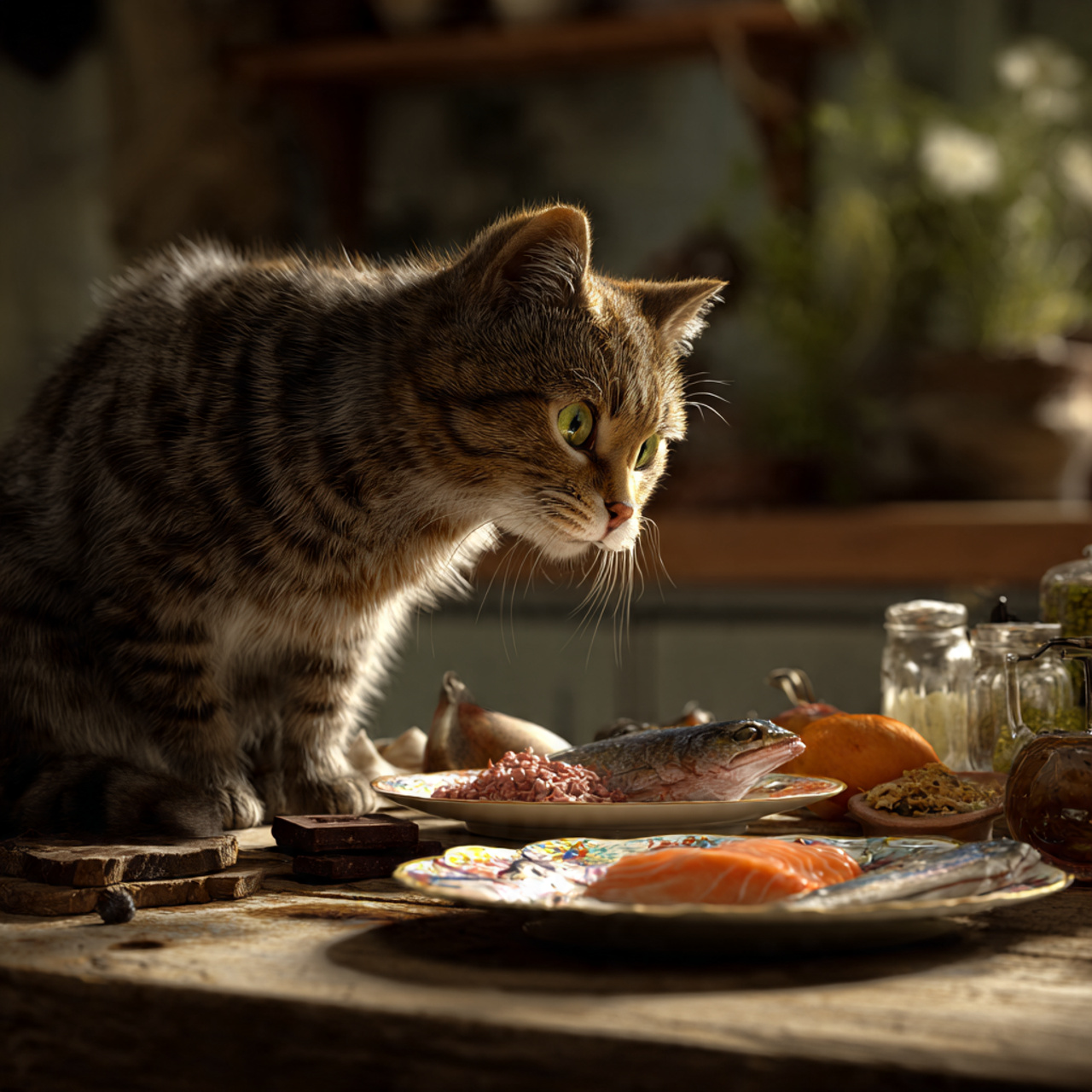
Not all human foods are dangerous because they are toxic. Some cause harm simply because a cat’s body cannot handle them well. Repeated exposure can lead to long-term health issues.
Small portions can still cause problems, especially with foods containing salt, fat, or spices. Cats are sensitive, and their size makes effects stronger.
What seems like a tiny treat can become a bigger issue over time.
Common reasons human foods become unsafe:
- Toxic ingredients cats cannot process
- High salt or fat content
- Artificial sweeteners or additives
- Seasonings and sauces
Safety depends on more than just quantity.
Safe Human Foods Cats Can Eat Occasionally
Some human foods are safe when prepared plainly and offered in very small amounts. These foods should never replace a balanced cat diet, but they can be occasional treats.
I learned that preparation matters just as much as the food itself. Plain, cooked options are always safer than seasoned ones.
Even safe foods should be offered slowly and infrequently.
Generally safe options include:
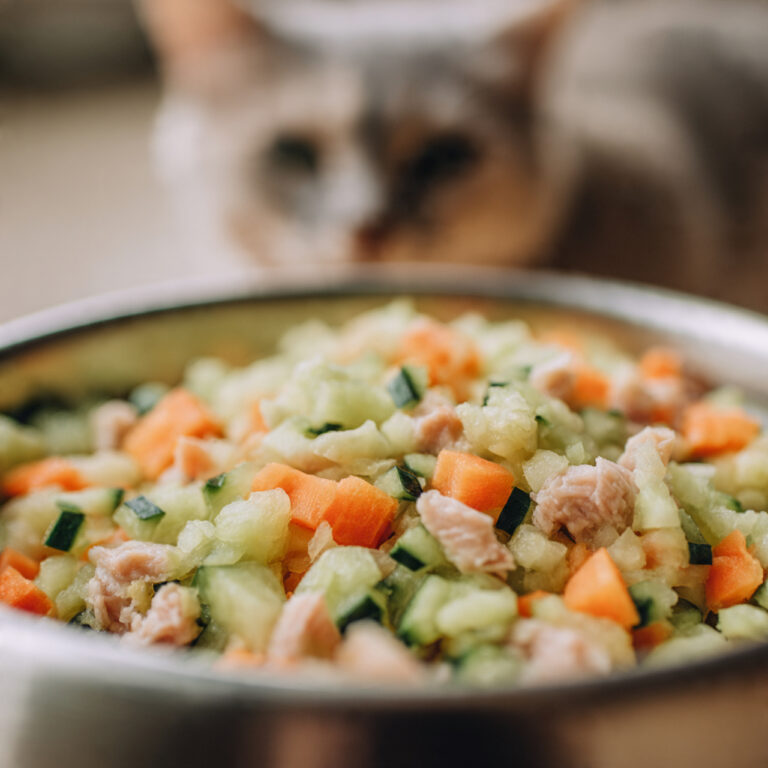
- Plain cooked chicken or turkey
- Cooked fish without bones or seasoning
- Small portions of cooked eggs
- Plain pumpkin or carrots
Always keep portions tiny and infrequent.
Human Foods That Are Toxic to Cats
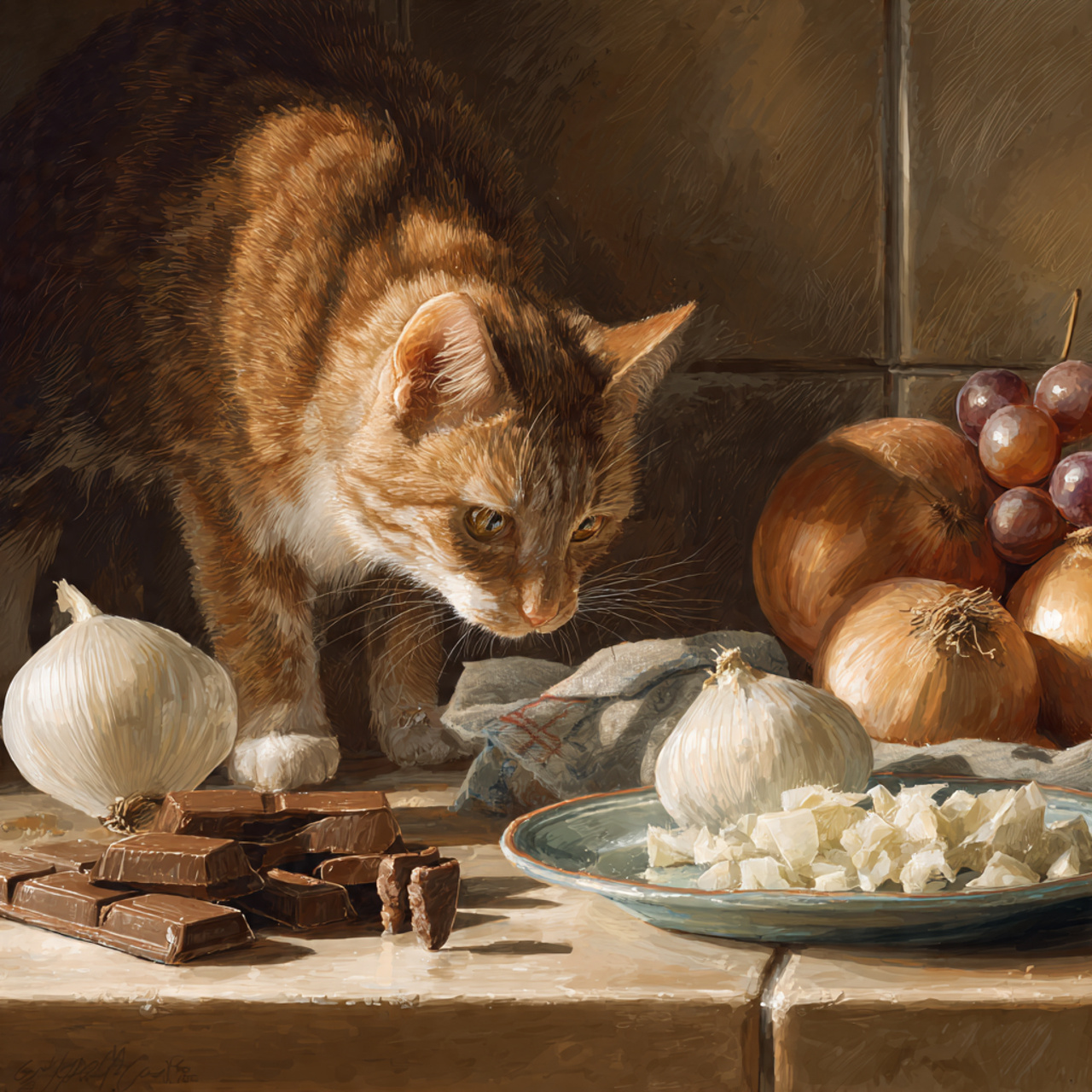
Certain human foods are dangerous even in small amounts. These foods can cause serious reactions quickly and should never be offered under any circumstances.
Some toxins affect the nervous system, while others damage organs over time. Knowing these foods helps prevent emergencies.
Avoiding these items entirely is the safest choice.
Foods that are toxic to cats:
- Onions, garlic, and chives
- Chocolate and caffeine
- Grapes and raisins
- Alcohol and raw dough
These foods should stay completely out of reach.
Human Foods That Are Not Toxic but Still Risky
Some foods are not toxic but still cause digestive upset or nutritional imbalance. These are often mistaken as safe because they do not cause immediate reactions.
Repeated feeding of these foods can lead to weight gain or stomach problems. Over time, they reduce diet quality.
Moderation alone does not always make them safe.
Risky but non-toxic foods include:
- Dairy products like milk or cheese
- Fried or fatty foods
- Processed meats
- Bread or pastries
These foods offer little benefit to cats.
Portion Sizes and Feeding Frequency Guidelines
Portion size matters more than many people realize. Cats only need a few bites, if any, to feel satisfied. Anything more quickly becomes too much.
Human food should never make up a noticeable part of a cat’s daily intake. Treats should remain occasional, not routine.
Consistency helps protect long-term health.
General portion guidelines:
- Bite-sized pieces only
- No more than once or twice weekly
- Never replace regular meals
- Stop if digestive issues appear
Small portions reduce unnecessary risk.
How to Introduce Human Food to Your Cat Safely
Introducing new food should always be slow. I learned that sudden changes often lead to stomach upset, even with safe foods.
Offering one new food at a time makes it easier to spot reactions. Observation matters more than variety.
Patience helps avoid discomfort.
Safe introduction steps:
- Offer a very small amount
- Watch for vomiting or diarrhea
- Avoid mixing multiple new foods
- Wait a day before offering more
Slow introduction protects sensitive digestion.
Foods Cats Commonly Beg For but Should Avoid
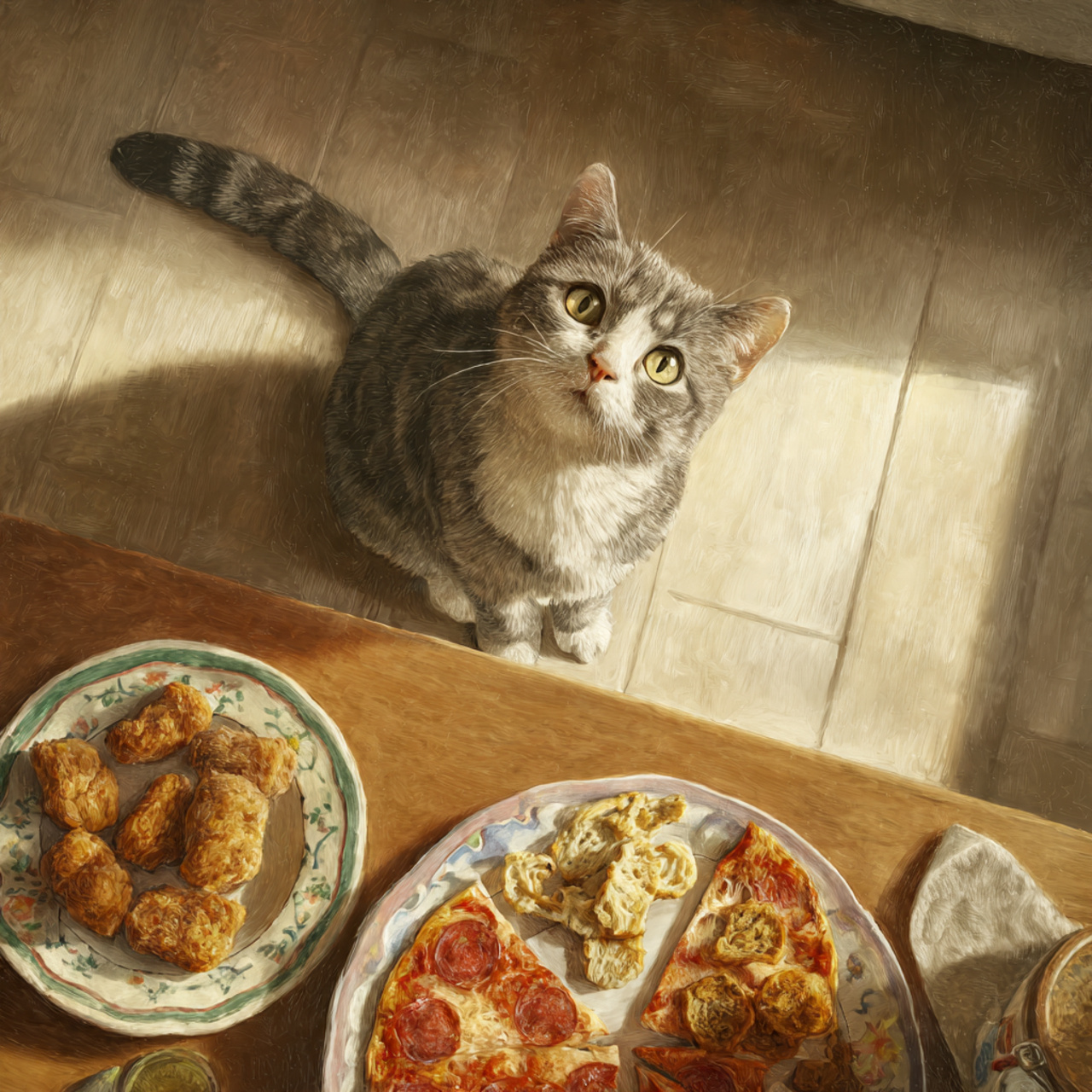
Cats often beg for foods that smell strong or fatty. Their interest does not mean the food is safe or beneficial.
Many table scraps contain hidden seasonings or ingredients that irritate a cat’s stomach. Begging behavior can also create bad habits.
Learning to say no protects their health.
Common foods cats beg for:
- Pizza and fast food
- Fried meats
- Sauced or seasoned dishes
- Snacks with cheese or salt
Begging does not equal nutritional need.
Special Considerations for Kittens, Seniors, and Cats With Health Issues
Age and health change how cats handle food. Kittens have sensitive systems, while senior cats often struggle with digestion or chronic conditions.
Cats with medical issues may react strongly to foods that seem harmless. In these cases, avoiding human food is often safest.
Diet consistency becomes more important with age.
Special care considerations include:
- Kittens need balanced growth nutrition
- Seniors digest food more slowly
- Cats with kidney issues need strict diets
- Overweight cats should avoid extra treats
Health status should guide food choices.
My Final Thoughts
Sharing food with a cat often comes from love, not neglect. Over time, I learned that knowing what to avoid matters just as much as knowing what is safe.
Cats thrive on consistency and proper nutrition. Human food should remain an occasional treat, not a habit or replacement.
By understanding how cats digest food and choosing wisely, you protect their health, comfort, and long-term well-being. Small, informed decisions make a big difference in keeping your cat happy and healthy.