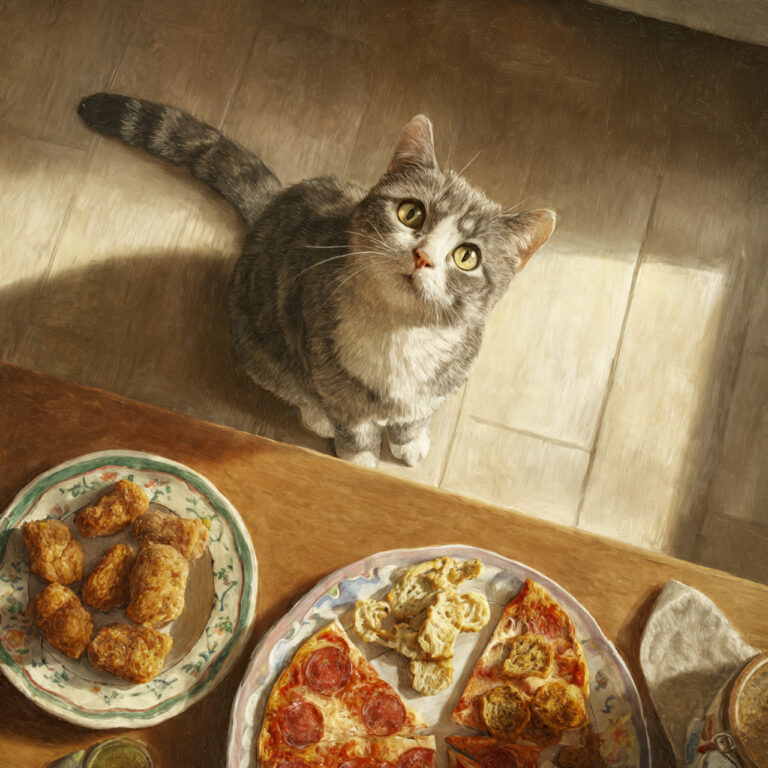
6 Best Non-Artificial Cat Foods for Indoor Cats to Support Digestion and Wellness
Indoor cats have different nutritional needs than their outdoor counterparts, and after years of caring for my own indoor felines, I’ve discovered that what goes into their bowls directly affects their health, weight, energy levels, and overall contentment.
Indoor cats are less active, more likely to acquire weight, and require specific nutrition to sustain their lifestyle while avoiding chemical additives that can create long-term health issues.
Non-artificial, natural diets contain entire nutrients that cats would normally ingest, maintaining their obligate carnivore biology and free of fillers, artificial colors, and chemical preservatives. In this guide, I’ll share six types of natural foods that work beautifully for indoor cats, explaining what makes each one special and how to incorporate them safely into your cat’s diet for optimal health.
1. Fresh Poultry as Primary Protein
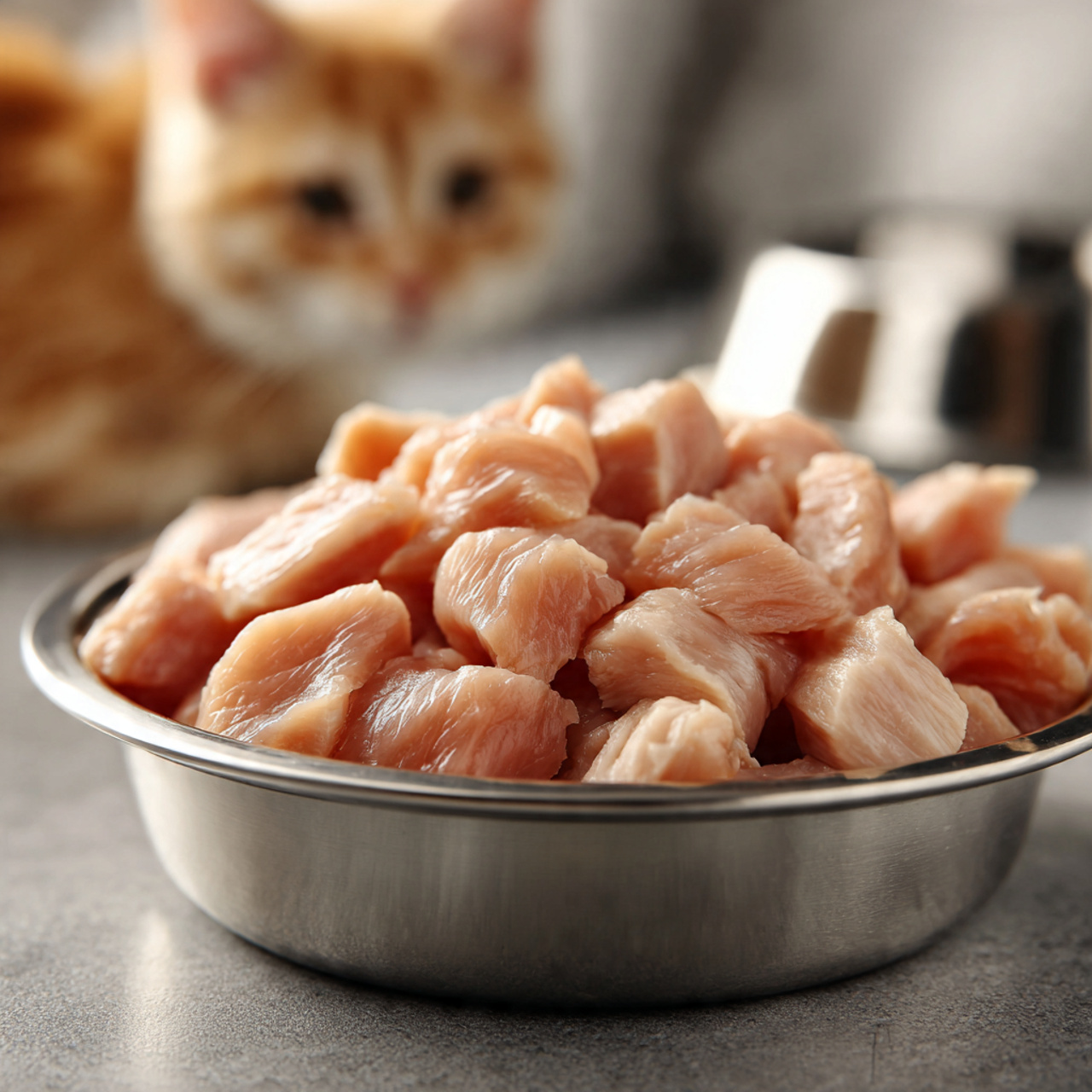
Cats are obligate carnivores, which means they must consume meat to survive, and fresh poultry is one of the best protein sources you can provide for your indoor cat. Chicken and turkey contain complete proteins with all of the necessary amino acids cats require, including taurine, which is crucial for heart and eye health. I began adding fresh chicken to my cat’s food years ago, and the difference in her coat quality and activity levels was noticeable within a few weeks.
Lean poultry is particularly advantageous for indoor cats because it offers high-quality protein without excess fat, which can induce weight gain. Turkey, skinless chicken thighs, and chicken breast are all great options. Boil, bake, or steam the meat thoroughly without adding any oils, seasonings, salt, or garlic—garlic is poisonous to cats. Because cooked bones can splinter and result in severe internal injuries, remove all bones with caution.
2. Fresh Fish for Omega-3 Fatty Acids
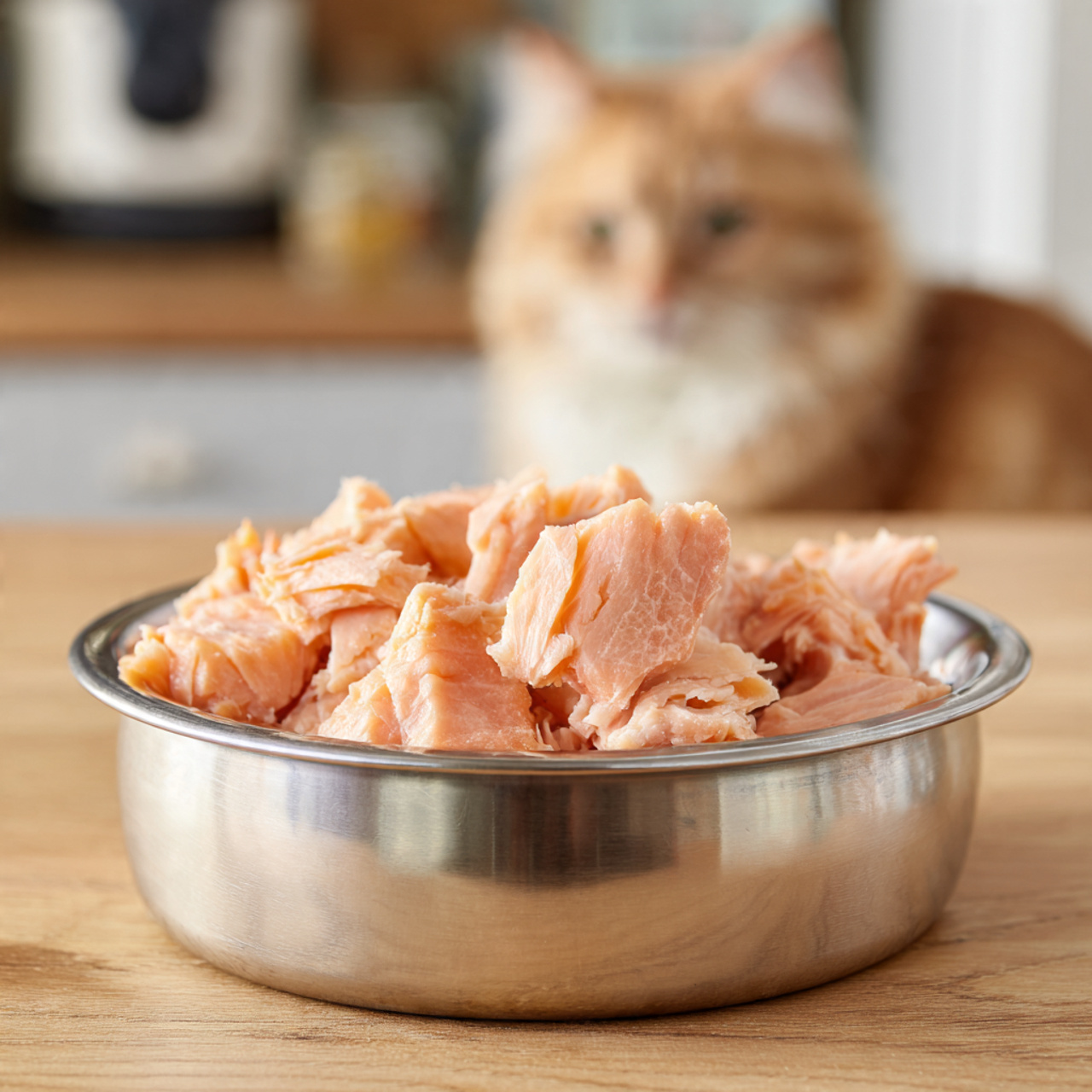
Fish offers unique nutritional benefits that complement poultry beautifully in a cat’s diet. Salmon, mackerel, and sardines are particularly valuable because they’re rich in omega-3 fatty acids, specifically EPA and DHA, which support brain function, reduce inflammation, and keep your cat’s coat glossy and healthy. My indoor cats absolutely love fish, and I’ve noticed it helps maintain their cognitive sharpness even as they age.
However, fish should be a supplementary protein rather than the primary one. Too much fish can lead to thiamine deficiency and may contribute to urinary issues in some cats. I feed fish to my indoor cats two to three times per week, making up about 15 to 20 percent of their overall diet. Always cook fish thoroughly to kill any parasites or bacteria, and carefully remove all bones, which can be hazardous even when small.
Organ meats are nutritional powerhouses that provide concentrated vitamins and minerals essential for your indoor cat’s health. Liver, heart, and kidney contain nutrients that simply aren’t present in sufficient quantities in muscle meat alone. When I first introduced organ meats to my cats, I was amazed at how instinctively they took to them, confirming what I’d learned about wild cats naturally seeking out organs first when consuming prey.
3. Organ Meats for Concentrated Nutrients
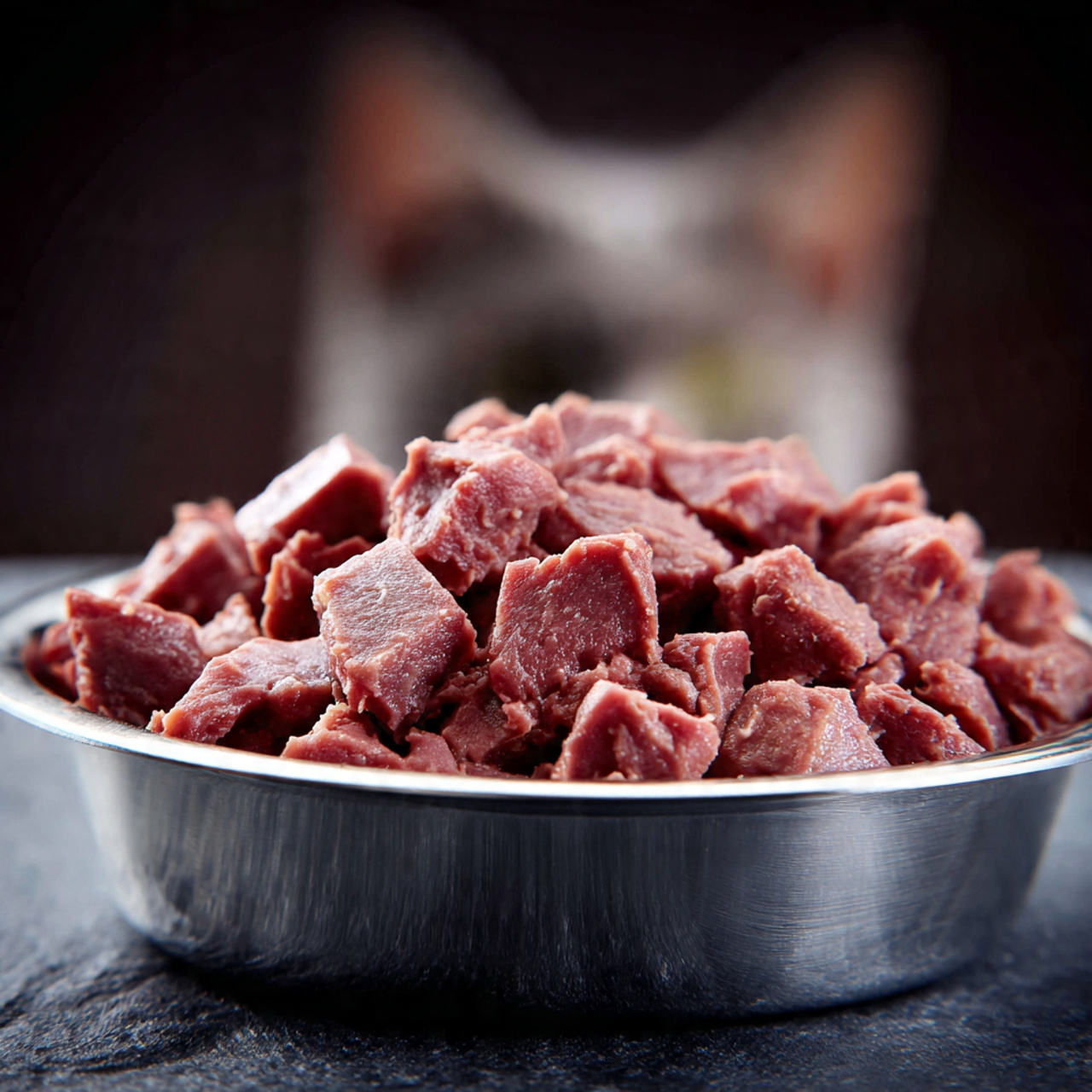
Organ meats are nutritional powerhouses that provide concentrated vitamins and minerals essential for your indoor cat’s health. Liver, heart, and kidney contain nutrients that simply aren’t present in sufficient quantities in muscle meat alone. When I first introduced organ meats to my cats, I was amazed at how instinctively they took to them, confirming what I’d learned about wild cats naturally seeking out organs first when consuming prey.
Liver is the most important organ meat, packed with vitamin A, B vitamins, iron, and copper. It’s so nutrient-dense that it should only comprise about 5 to 7 percent of your cat’s total diet. Too much liver can cause vitamin A toxicity, leading to bone and joint problems. I feed my indoor cats small amounts of chicken or beef liver once or twice weekly, which provides benefits without overdoing it.
4. Egg Yolks, either raw or lightly cooked
For indoor cats, egg yolks are a great source of high-quality protein, good lipids, and vital vitamins including A, D, E, and B12. The secret is to be careful with egg whites and concentrate on the yolk, which has the majority of the nutrients. When feeding raw eggs, focus mostly on the yolks or feed the entire egg only infrequently because the white of the egg contains avidin, which might hinder the absorption of biotin.
Every week, I give my cats one or two egg yolks from fresh, high-quality eggs, either raw or mildly cooked. For a cat of ordinary size, one yolk is sufficient. Cats typically find the rich, creamy texture to be highly appealing, and the nutrients enhance immune system function, skin health, and coat quality.
The fat content facilitates indoor cats’ absorption of fat-soluble vitamins from other meals.
If your cat is apprehensive, you can make it simpler to mix it with other foods by gently scrambling the yolk without any butter, oil, or milk. Egg yolks are an effective supplement to your cat’s diet without requiring big amounts because of the accessible nutrients in them. For indoor cats who require meals high in nutrients but low in calories, this is very advantageous.
5. Plain, Unsweetened Yogurt with Live Cultures
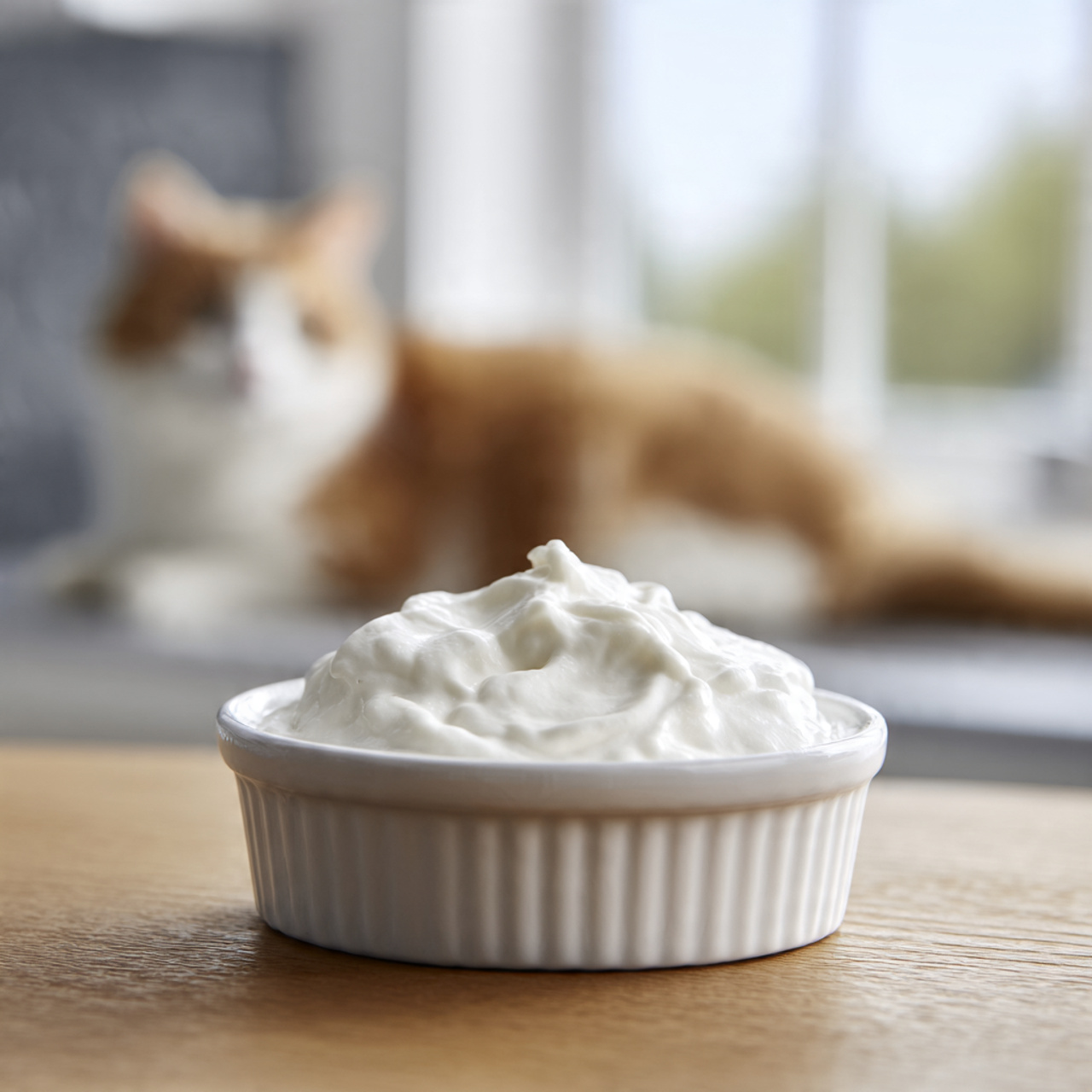
While adult cats are lactose intolerant to varying degrees, small amounts of plain, unsweetened yogurt with live active cultures can benefit many indoor cats. The fermentation process reduces lactose content, and the probiotics support digestive health, which is particularly valuable for indoor cats who may experience stress-related digestive issues or hairball problems.
Always start with a very small amount to test your cat’s tolerance. Some cats handle yogurt perfectly fine while others show signs of digestive upset like gas or loose stools. If your cat tolerates it well, the calcium and protein provide additional nutritional benefits. Never use yogurt with artificial sweeteners, especially xylitol, which is extremely toxic to cats. Also avoid flavored varieties that contain added sugars or fruit pieces.
6. Minimal Quantities of Vegetables Safe for Cats
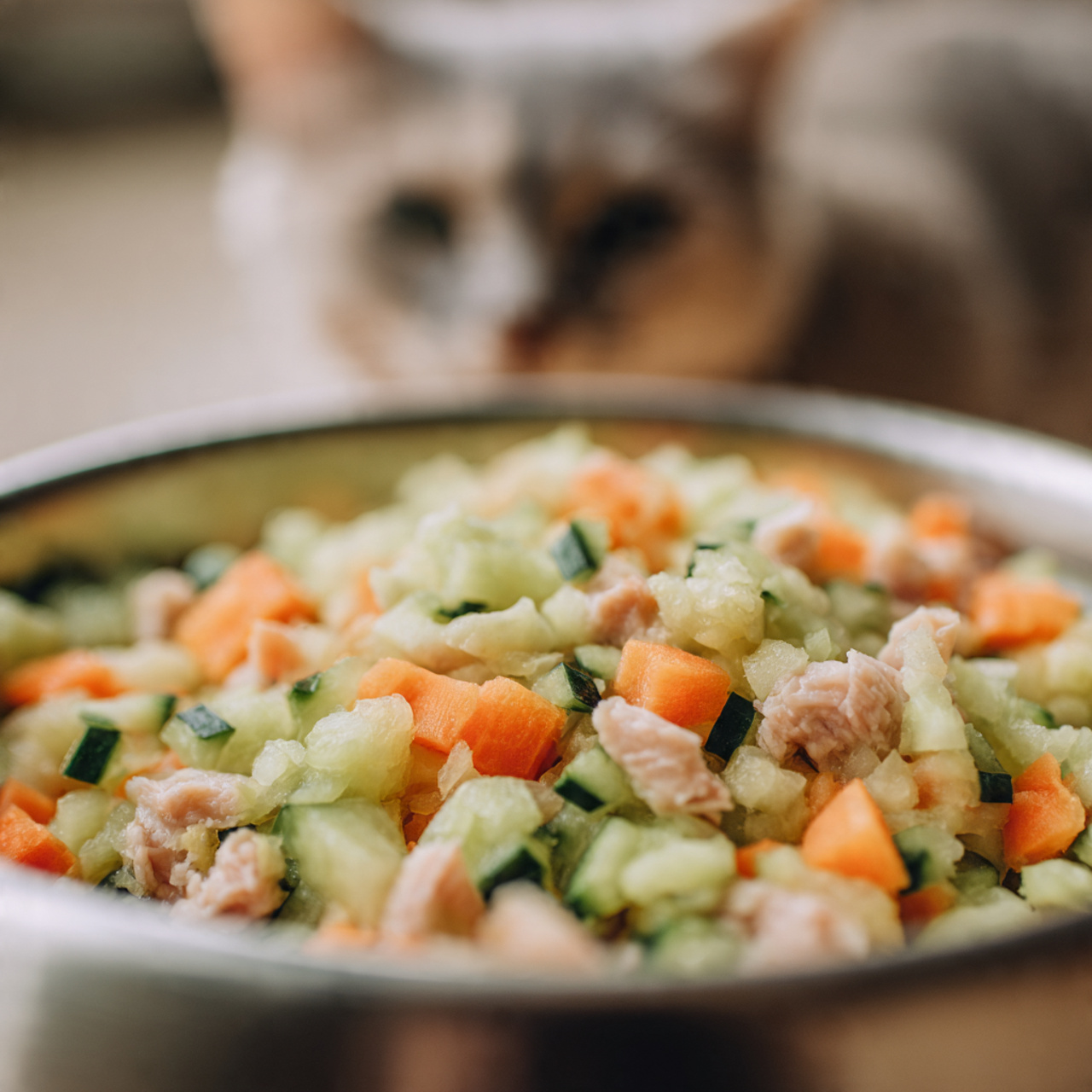
You might be surprised to learn that indoor cats can benefit from tiny amounts of some veggies since they provide antioxidants that promote general wellbeing and fiber for digestive health and hairball control. Although cats are obligate carnivores and do not require vegetables for nourishment, little amounts can improve their health, especially for indoor cats who are less active and more prone to hairballs and constipation.
Vegetables should never exceed 5 to 10 percent of your cat’s diet, they’re a supplement rather than a staple. Always cook vegetables thoroughly to break down plant cell walls that cats can’t digest well. Avoid onions, garlic, chives, grapes, and raisins, which are toxic to cats. The vegetables should be well-mashed or pureed and mixed thoroughly with protein so your cat doesn’t simply eat around them.
The Rewards of Natural Feeding
Feeding your indoor cat natural, non-artificial foods creates visible improvements in their health and happiness. Shinier coats, brighter eyes, better breath, firmer stools, more stable energy, and often better weight management are common benefits I’ve witnessed in my own cats and those of friends who’ve made the switch.
The effort involved in preparing natural foods is modest once you establish a routine, and the peace of mind knowing exactly what your cat is eating is invaluable. These six food types provide complete nutrition without artificial additives, supporting your indoor cat’s health from kittenhood through their senior years. Your cat’s improved vitality and the stronger bond you develop through attentive care make every moment spent preparing their meals worthwhile.