7 Basic Dog Commands Every Dog Should Know (New Owners Blueprint)
When you first get your dog home, you might think love alone would be enough. It was not. What truly changed our daily life was teaching simple commands that helped us understand each other.
These basic commands are not about control, they are about communication, safety, and building a calm, trusting relationship from day one.
Command 1: Sit
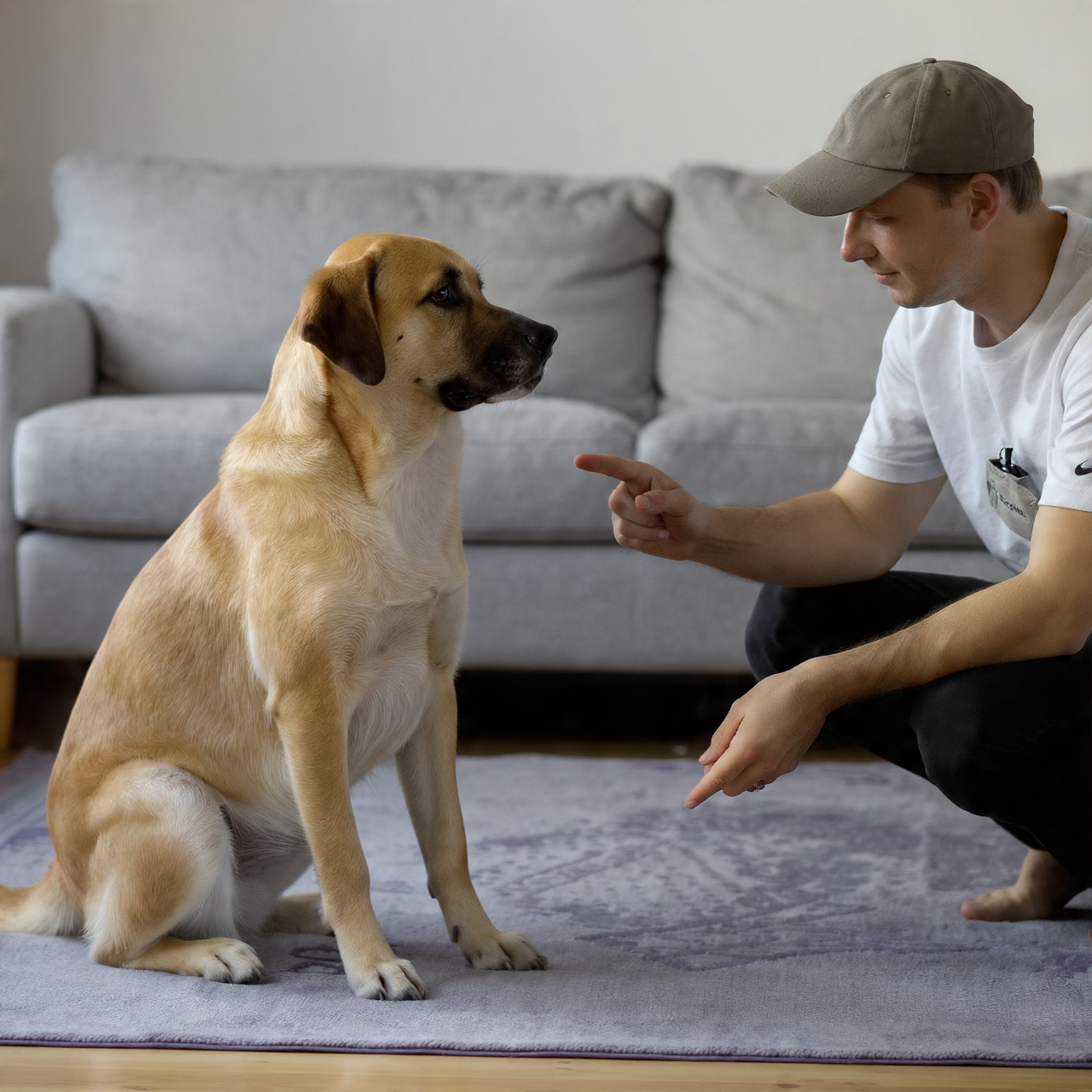
“Sit” is usually the first command dogs learn, and for good reason. It is simple, easy to teach, and incredibly useful in everyday life.
Why “Sit” Is the Foundation of Training
Sit teaches your dog to pause instead of reacting. That pause is powerful. It creates a moment where your dog chooses to listen instead of jumping, barking, or rushing forward.
Sit helps with:
- Greeting people politely
- Waiting for food
- Staying calm during excitement
- Focusing on you during training
Once your dog understands sit, other commands become easier to teach.
How Dogs Learn the Sit Position
Most dogs naturally sit when their head tilts upward. Training works best when you guide that natural movement instead of forcing it.
Use a calm tone and relaxed body language. Training should feel like a game, not a test.
Step-by-Step Guide to Teaching Sit
- Hold a treat close to your dog’s nose
- Slowly lift your hand upward
- As their head follows, their bottom will lower
- The moment they sit, say “Sit” and reward
Repeat this in short sessions, several times a day.
Common Problems and How to Fix Them
- If your dog jumps, slow down the hand movement
- If your dog walks backward, practice near a wall
- If your dog gets distracted, shorten sessions
Sit should feel easy and rewarding for your dog.
Command 2: Stay
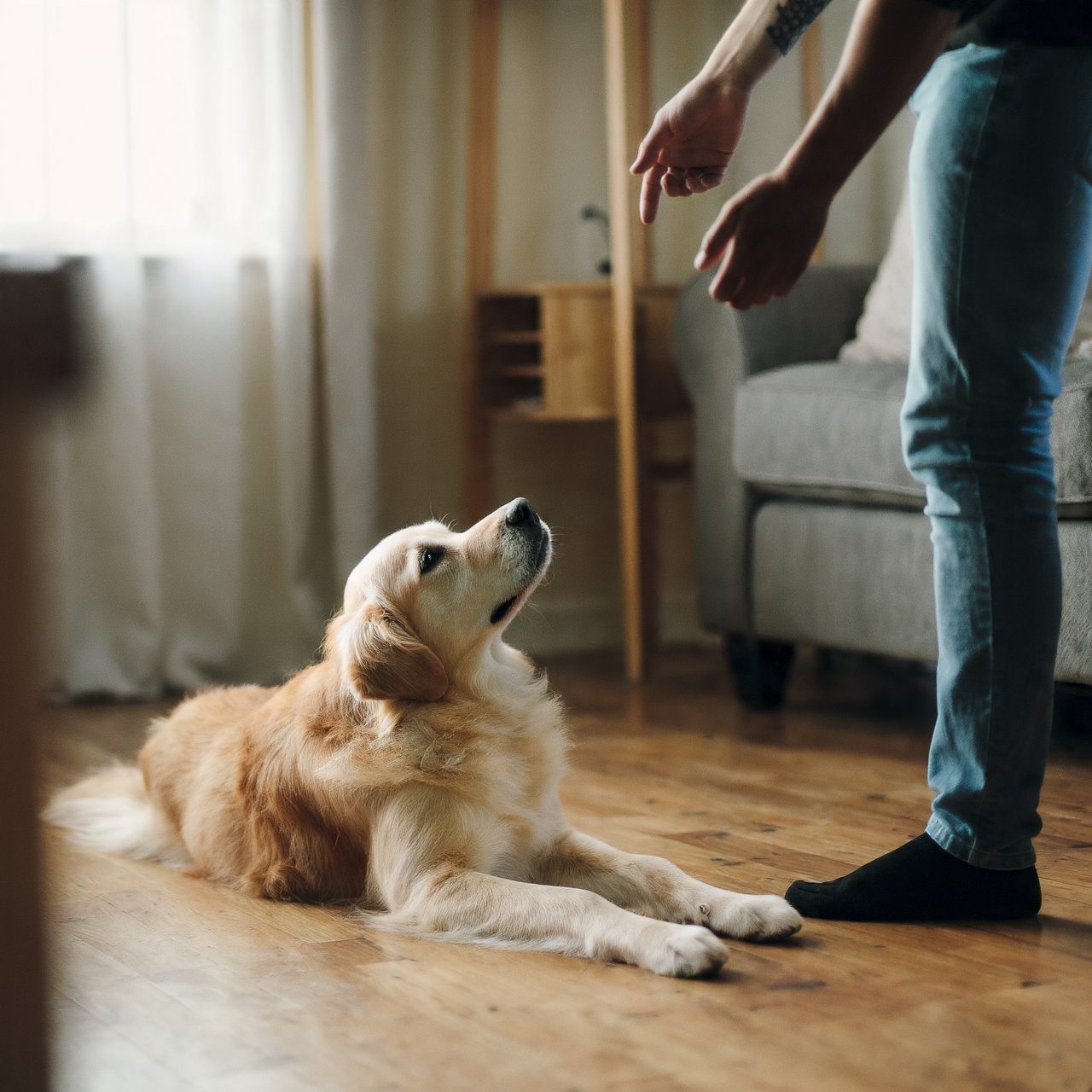
Stay teaches patience. It helps your dog understand that good things come from waiting calmly.
This command takes time, but it builds self-control better than almost any other.
What “Stay” Really Means to a Dog
Stay does not mean freezing forever. It means holding a position until released. That release is just as important as the stay itself.
Dogs feel more confident when they know what is expected and when they will be allowed to move again.
Benefits of Teaching Stay Early
- Prevents door-dashing
- Improves safety in busy areas
- Encourages calm behavior
- Builds trust and focus
Stay helps dogs think before they act.
Teaching Stay in Small Steps
Start with seconds, not minutes.
- Ask your dog to sit
- Say “Stay” and show an open hand
- Take one step back
- Return quickly and reward
Slowly increase distance and time as your dog succeeds.
Common Stay Training Mistakes
- Moving too far too fast
- Repeating the word “stay” constantly
- Forgetting to reward success
Patience is key. Stay grows stronger with practice.
Command 3: Come
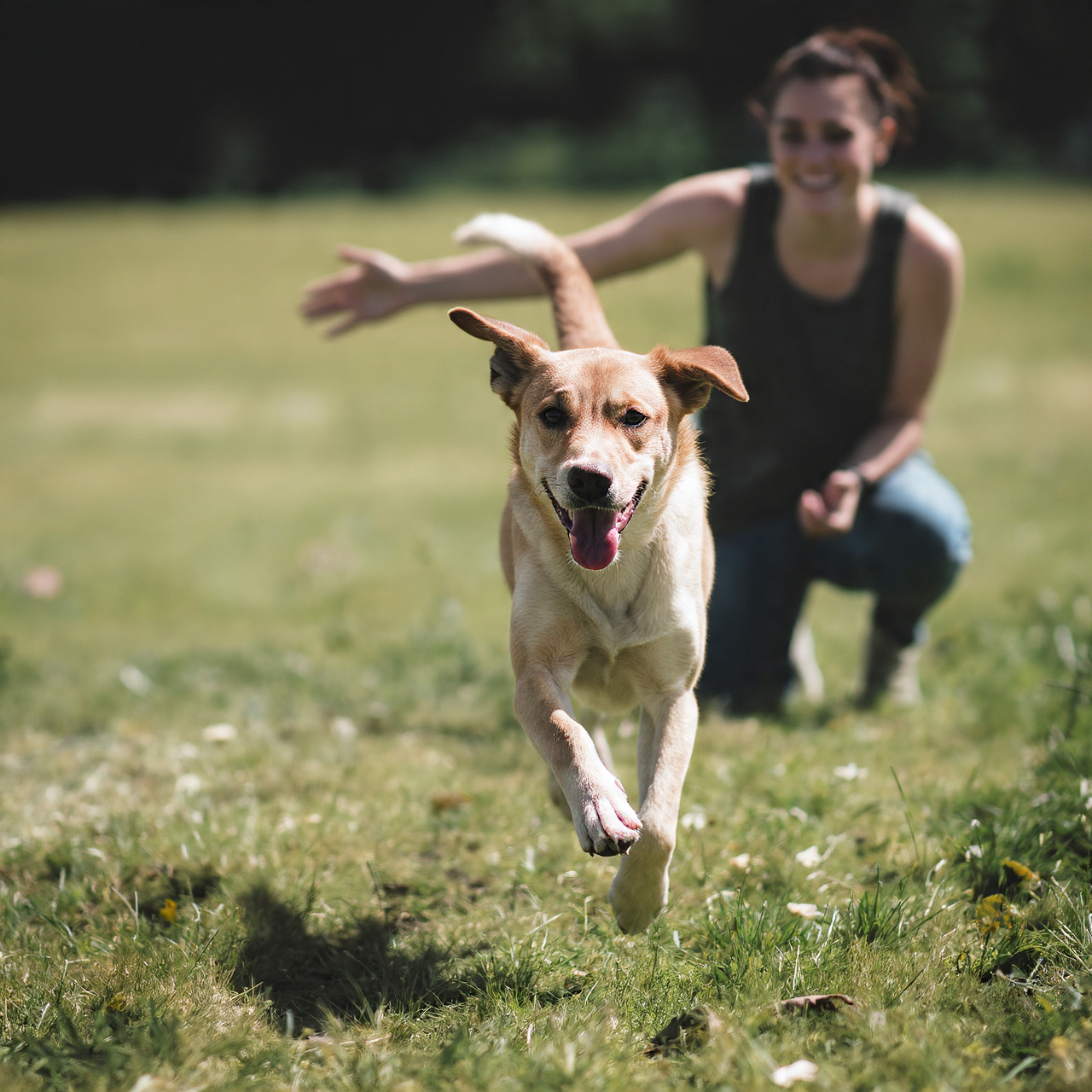
“Come” is often called recall, and it is one of the most important commands your dog will ever learn.
It is about safety, trust, and connection.
Why Recall Can Save Your Dog’s Life
A reliable come command can prevent accidents, stop dangerous situations, and allow safe freedom outdoors.
When your dog comes to you willingly, it shows trust.
Making Yourself Worth Coming To
Dogs come when it feels rewarding. Your energy matters more than your words.
Use:
- A happy voice
- Open body posture
- High-value treats
Your dog should feel excited to run toward you.
How to Teach Come Successfully
- Start indoors or in a fenced space
- Call your dog when they are already moving toward you
- Reward generously every time
Practice often, but keep it fun.
What Can Damage Recall Training
- Calling your dog for punishment
- Getting angry when they take time
- Chasing your dog
Always make coming to you a positive experience.
Command 4: Down
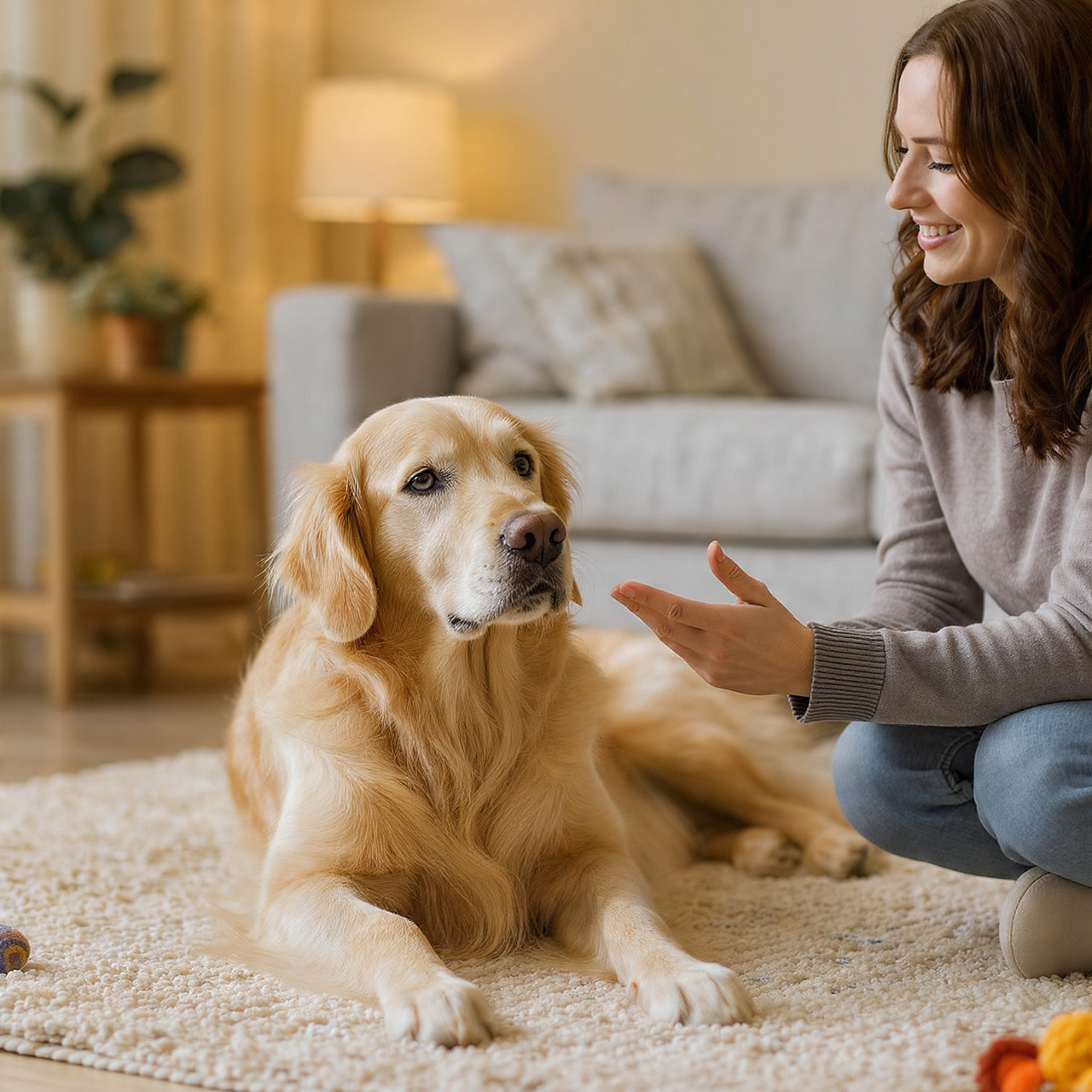
Down encourages calm behavior and relaxation. It is especially helpful for dogs that struggle to settle.
Why Down Is a Calming Command
The down position naturally slows dogs down. It lowers energy and helps reduce excitement.
Down is useful during:
- Meal times
- Guest visits
- Quiet moments
- Public outings
It teaches your dog how to relax on cue.
Teaching Down Without Pressure
Never push your dog into position. Let them choose it.
- Start with sit
- Lower a treat slowly to the floor
- Move the treat forward slightly
- Reward when elbows touch the ground
Some dogs take longer, and that is okay.
Helping Dogs Who Struggle With Down
- Practice on soft surfaces
- Use higher-value treats
- Be patient and encouraging
Down should feel safe and comfortable.
Command 5: Leave It
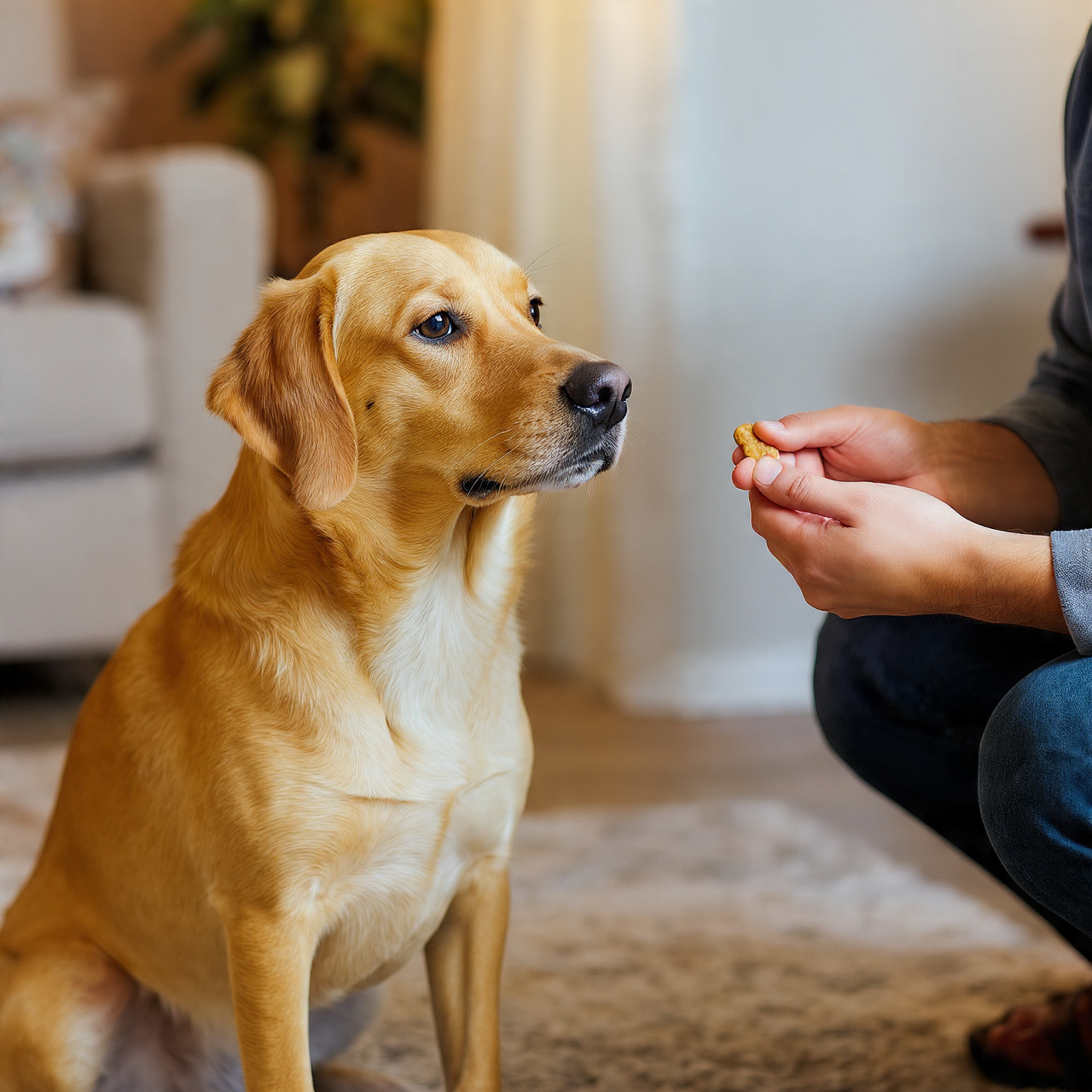
Leave it teaches self-control. It tells your dog that ignoring something leads to better rewards.
Why Leave It Is a Must-Have Command
Dogs explore with their mouths. Leave it helps prevent:
- Eating dangerous objects
- Grabbing food off the ground
- Chewing inappropriate items
It gives you control without conflict.
Teaching Leave It Step by Step
- Hold a treat in a closed fist
- Let your dog sniff
- The moment they stop, say “Leave it”
- Reward from your other hand
This teaches choice, not restriction.
Expanding Leave It Training
- Practice with toys
- Practice during walks
- Practice with dropped food
Gradual exposure builds reliability.
Command 6: Heel
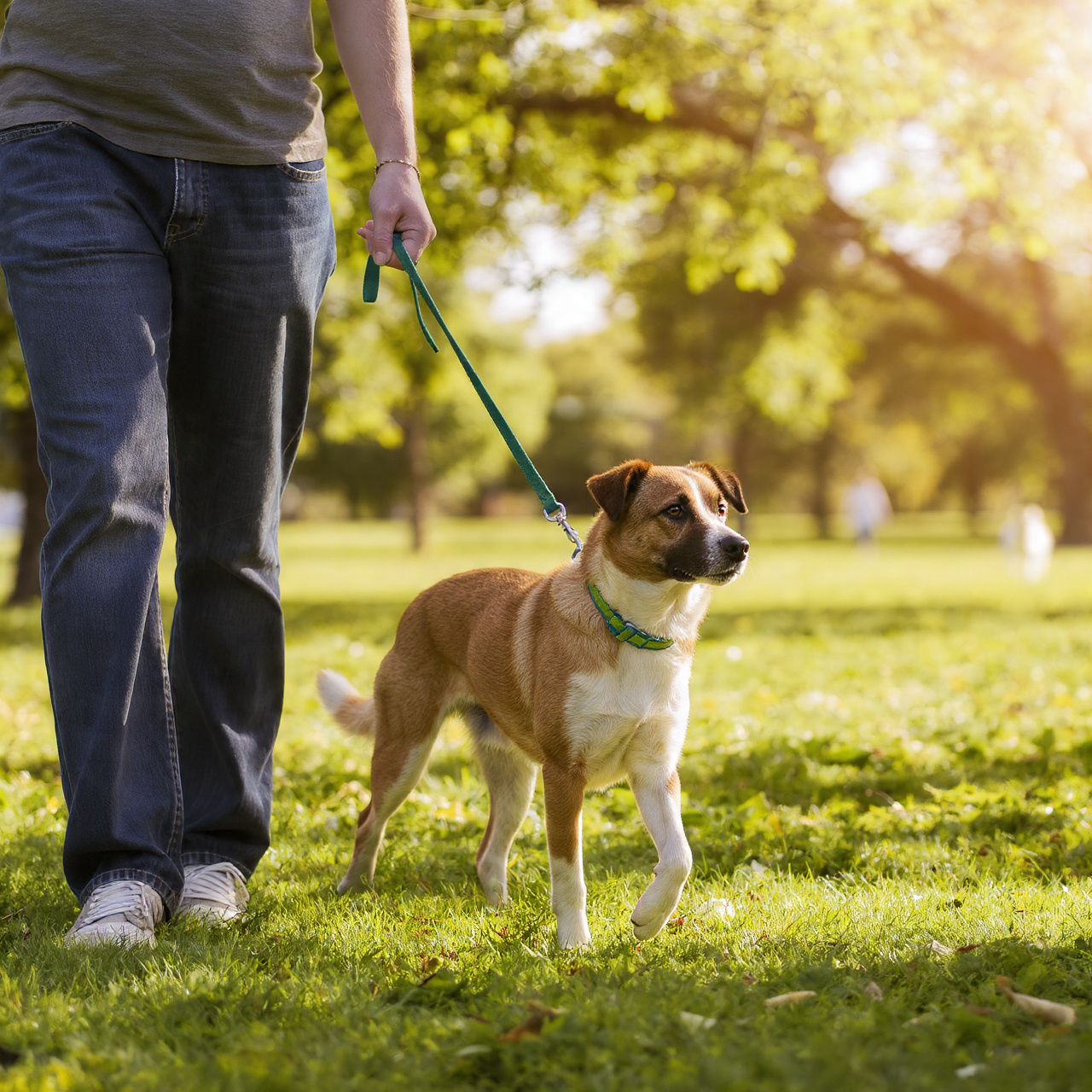
Heel teaches polite walking. It transforms walks into something enjoyable instead of stressful.
Why Heel Improves Your Daily Walks
- Reduces pulling
- Keeps your dog focused
- Makes walks safer
Heel is about teamwork, not force.
Teaching Heel in Short Sessions
Start slow and keep sessions brief.
- Hold treats near your leg
- Take a few steps
- Reward when your dog stays beside you
Practice indoors before going outside.
Making Heel More Reliable
- Stop walking when pulling starts
- Reward often at first
- Practice in quiet areas
Progress comes with consistency.
Command 7: Quiet
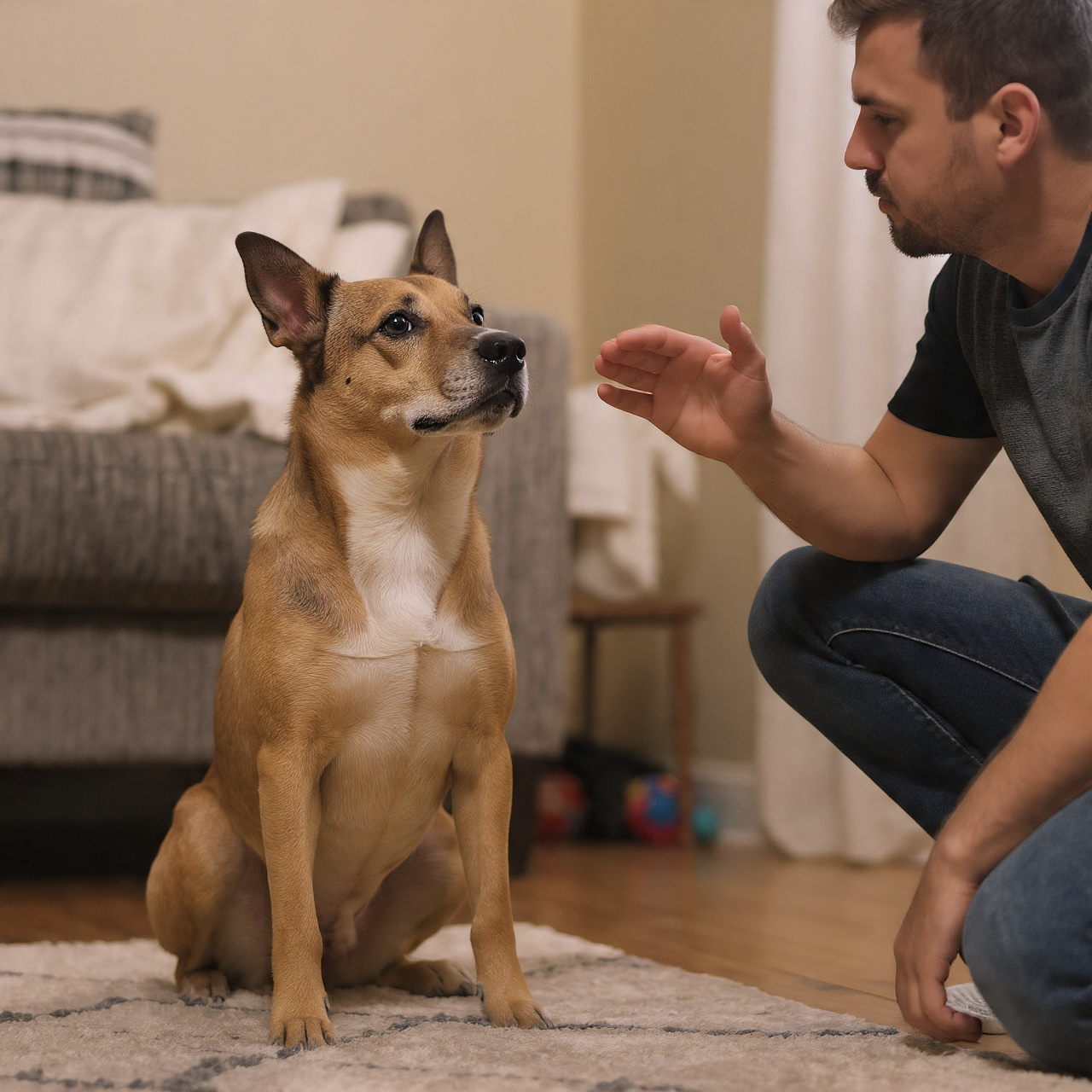
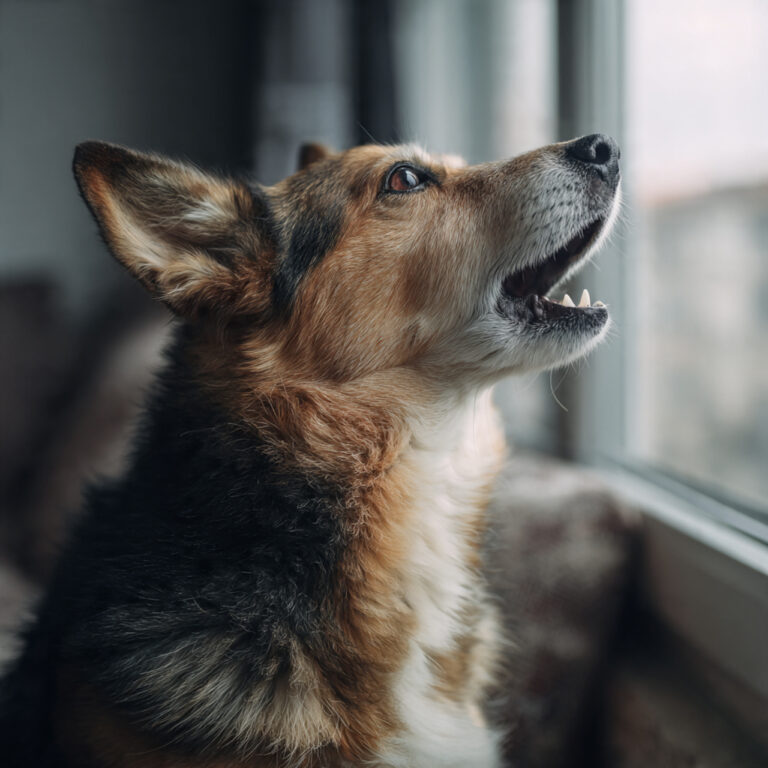
Quiet teaches your dog how to stop barking on cue, without fear or punishment.
Understanding Barking First
Dogs bark to communicate. Quiet does not remove barking, it controls it.
Why Quiet Matters
- Reduces excessive barking
- Improves household peace
- Helps in shared spaces
It creates balance, not silence.
Teaching Quiet Calmly
- Allow brief barking
- Say “Quiet” calmly
- Reward the pause
- Gradually increase duration
Never shout, it increases excitement.
Why Basic Commands Matter for Every Dog
Basic commands create structure. Structure makes dogs feel safe.
How Commands Improve Daily Life
- Clear communication
- Fewer misunderstandings
- Better behavior in public
- Stronger bond
Training is about teamwork.
Realistic Expectations for New Owners
Dogs learn through repetition. Progress is not linear.
Remember:
- Every dog is different
- Small wins matter
- Consistency beats intensity
Patience builds success.
What You Need Before You Start Training
Preparation sets you up for success.
Simple Tools That Make Training Easier
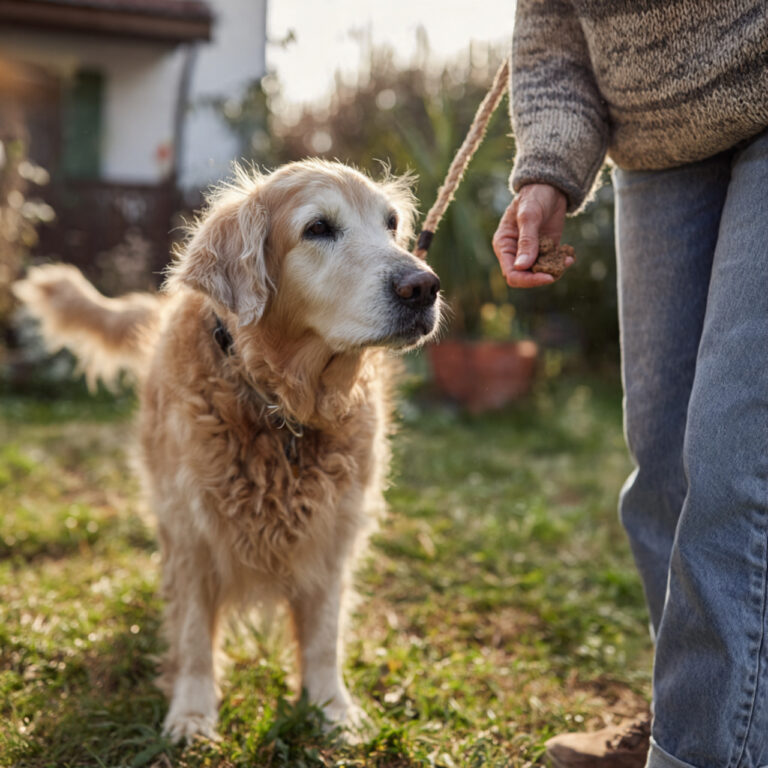
- Soft treats
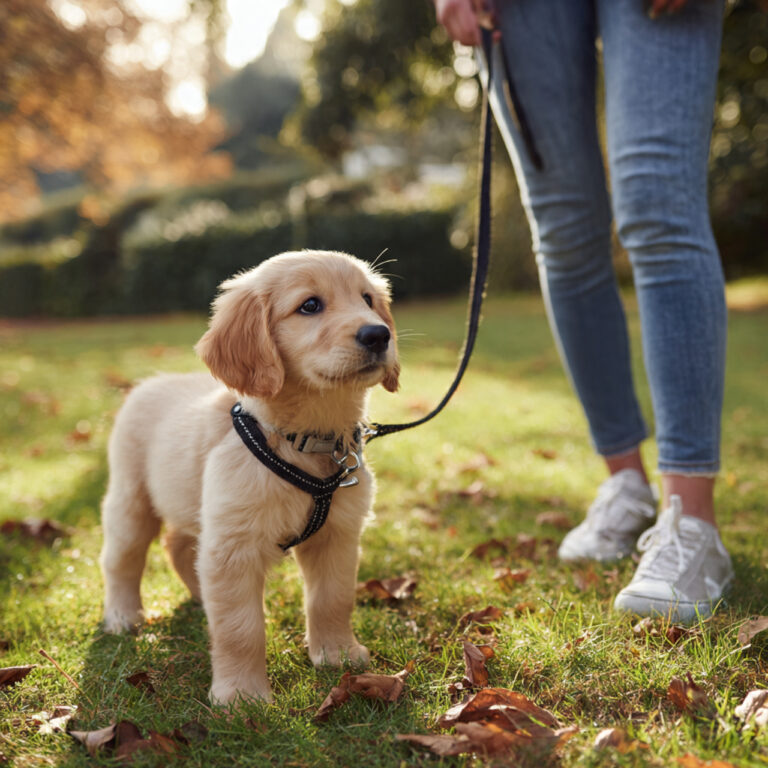
- Leash and collar or harness
- Quiet space
- Time and patience
You do not need fancy tools.
Timing and Consistency Explained Simply
Reward immediately. Dogs live in the moment.
Consistency means:
- Same commands
- Same expectations
- Same responses
Clear signals help dogs learn faster.
Creating the Right Training Environment
Start where distractions are low.
As your dog improves:
- Add distractions slowly
- Change locations
- Practice in real life
Training grows with your dog.
Final Thoughts
Teaching basic commands is not about having a perfect dog. It is about building understanding, trust, and calm communication. These seven commands create a strong foundation that supports every stage of your dog’s life. Take your time, stay kind, and enjoy the process. The relationship you build through training is just as important as the results.