How to Stop Excessive Dog Barking Naturally and Effectively
Excessive barking can be frustrating, confusing, and even embarrassing, especially when you do not fully understand why it is happening. I have been there myself, wondering if my dog was just stubborn or if I was doing something wrong. The good news is this, barking is communication, not bad behavior. Once you understand it, you can manage it calmly and effectively.
1. Why Your Dog Is Barking?

Before trying to stop barking, you need to understand why your dog is barking in the first place. Dogs do not bark for no reason. Every bark has a purpose, even if it does not make sense to us at first.
Barking is a dog’s main way of communicating. It can mean excitement, fear, boredom, frustration, or a warning. When barking becomes excessive, it is usually because that message is not being acknowledged or resolved.
Some common reasons dogs bark include:
- Trying to alert you to something
- Wanting attention
- Feeling anxious or scared
- Being bored or under-stimulated
- Protecting their territory
Once you shift your mindset from “How do I stop this?” to “What is my dog trying to tell me?”, everything becomes easier. Training works best when it solves the cause, not just the noise.
2. Identify the Type of Excessive Barking

Not all barking is the same, and treating all barking the same way will not work. Identifying the type of barking helps you choose the right solution.
Alert or Territorial Barking
This usually happens when your dog sees or hears something unfamiliar, like people passing by, other dogs, or strange noises.
Signs include:
- Barking toward doors or windows
- Stiff body posture
- Barking that stops once the “threat” leaves
Attention-Seeking Barking
This bark is your dog saying, “Hey, look at me.”
It often happens when:
- You are on the phone
- You stop petting them
- They want food, play, or interaction
Fear-Based or Anxiety Barking
This type of barking is driven by discomfort or stress.
Common triggers include:
- Loud noises
- New environments
- Being left alone
- Certain people or animals
Boredom or Frustration Barking
Dogs that lack exercise or mental stimulation often bark just to release energy.
Clues include:
- Barking for long periods
- Barking with pacing or chewing
- Barking when left alone with nothing to do
3. Rule Out Health or Environmental Issues
:strip_icc()/GettyImages-1329090088-fb97b586390f481b9b2bba9097ec83ca.jpg)
Sometimes excessive barking has nothing to do with training and everything to do with your dog’s well-being.
Health-Related Causes
Pain, discomfort, or age-related issues can make dogs bark more than usual. Hearing loss, vision changes, or cognitive decline, especially in older dogs, can increase confusion and vocalization.
Watch for signs like:
- Sudden changes in behavior
- Barking at nothing
- Restlessness or agitation
- Whining mixed with barking
If barking appears suddenly or worsens quickly, a vet check is always a smart first step.
Environmental Stressors
Dogs are sensitive to changes, even small ones.
Common environmental triggers include:
- Moving to a new home
- A new baby or pet
- Changes in schedule
- Construction noise
- Being left alone more often
Reducing stress in your dog’s environment can significantly reduce barking without any formal training.
4. Set Clear and Consistent Boundaries
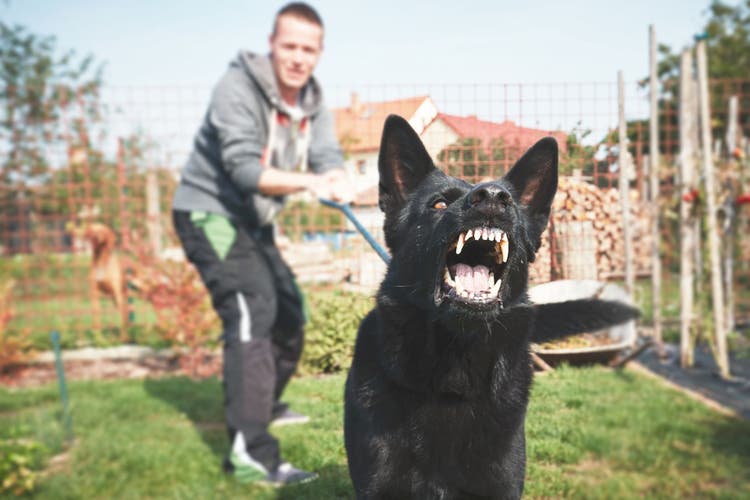
Clear boundaries help dogs feel secure. When rules change from day to day, dogs become confused, and confused dogs tend to bark more.
If your dog sometimes gets attention for barking and sometimes does not, they will keep barking because there is always a chance it might work. From the dog’s perspective, barking becomes a gamble worth taking.
Why Consistency Matters
Dogs learn through repetition. When the same response happens every time, they understand faster.
Consistency helps your dog:
- Learn what behavior is expected
- Feel less anxious and more confident
- Stop testing limits through barking
How to Set Boundaries Clearly
- Decide what behavior you will ignore and what you will reward
- Make sure everyone in the household follows the same rules
- Respond calmly, never emotionally
For example, if barking never earns attention but calm behavior always does, your dog will naturally choose calm behavior more often.
5. Teach the “Quiet” Command

The “quiet” command is not about forcing silence. It is about teaching your dog how to calm themselves on cue.
This command works best when your dog already understands that barking communicates something, but it is not always necessary.
Step-by-Step Approach
- Allow your dog to bark briefly
- Say “Quiet” in a calm, steady voice
- The moment they pause, even for a second, reward them
- Repeat consistently
Over time, increase the amount of quiet time required before giving the reward.
Tips for Better Results
- Practice when your dog is calm, not overly excited
- Avoid shouting, which can sound like barking to dogs
- Keep sessions short and positive
Teaching “quiet” gives your dog a clear option instead of leaving them guessing what you want.
6. Use Positive Reinforcement Correctly

Positive reinforcement works because it focuses on what your dog should do, not what they should stop doing.
When dogs are rewarded for calm behavior, they repeat it naturally.
What Positive Reinforcement Looks Like
- Giving treats for silence after barking
- Praising relaxed body language
- Rewarding your dog for choosing not to react to triggers
Rewards do not have to be food every time. They can include:
- Verbal praise
- Gentle petting
- Playtime
- Access to something your dog enjoys
Common Errors to Watch Out For
- Talking to your dog while they are barking
- Giving treats too late
- Accidentally rewarding barking by trying to calm them with attention
Timing is everything. The reward should come immediately after the calm behavior.
7. Remove or Reduce Barking Triggers

Sometimes the fastest way to reduce barking is to manage what causes it.
This does not mean avoiding training. It simply means lowering your dog’s stress level so learning becomes easier.
How to Identify Triggers
Pay attention to patterns:
- Does barking happen at certain times of day?
- Is it linked to specific sounds or sights?
- Does it happen more when your dog is tired or overstimulated?
Simple Trigger Management Ideas
- Close blinds if your dog barks at passersby
- Use white noise to block outside sounds
- Create a calm resting area away from doors or windows
- Limit exposure to stressful situations during training
Reducing triggers gives your dog a chance to practice calm behavior successfully.
8. Provide Proper Exercise and Mental Stimulation

Many barking problems improve dramatically once a dog’s physical and mental needs are met.
Exercise alone helps, but mental stimulation is just as important.
Physical Activity
Daily movement helps release pent-up energy that often turns into barking.
Good options include:
- Walks at a comfortable pace
- Play sessions in the yard or indoors
- Games like fetch or tug
Adjust activity levels based on your dog’s age, breed, and health.
Mental Enrichment
Mental work tires dogs in a healthy way.
Ideas include:
- Puzzle toys
- Short training sessions
- Scent-based games
- Teaching new commands
Even a few minutes of mental exercise can noticeably reduce barking.
9. Use Tools and Aids Responsibly
Training tools can support your efforts, but they should never replace understanding and consistency.
The best tools help manage behavior while you work on training.
Helpful Tools
- Treat pouches for quick rewards
- Interactive toys for alone time
- Baby gates to manage space
- White noise machines for sound-sensitive dogs
What to Avoid
- Tools that cause fear or pain
- Relying on devices without training
- Expecting instant results from tools alone
Tools work best when combined with patience, structure, and positive reinforcement.
Final Thoughts
Excessive barking is not a sign of a bad dog. It is usually a sign of unmet needs, confusion, or stress. When you focus on understanding your dog, setting clear boundaries, and rewarding calm behavior, barking naturally decreases over time. Progress may feel slow, but consistency always pays off. Your dog is not trying to annoy you, they are simply trying to communicate.