How Often Should You Bathe Your Dog or Cat?
If you’ve ever wondered whether you’re bathing your pet too much or not enough, you’re not alone. The truth is, there’s no magic number that works for every pet.
Your neighbor might bathe their golden retriever every week, while your friend’s husky only gets a bath twice a year, and both could be doing it right for their specific dog.
1. How Often Cats Actually Need Baths
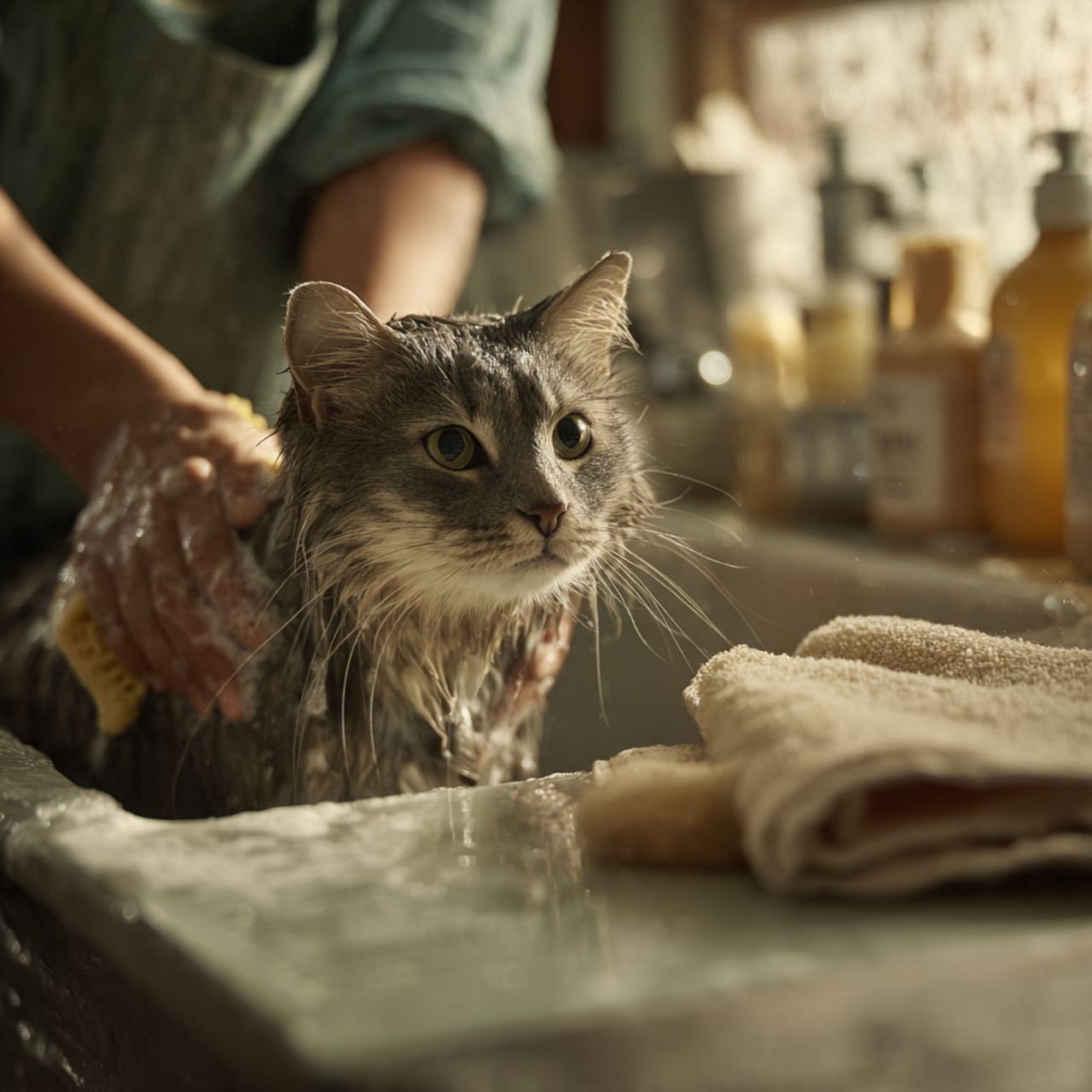
Let’s start with the easier answer: most cats need very few baths, if any at all.
Most Short-haired Cats Rarely Need Bathing
If you have a healthy, short-haired indoor cat, you might never need to give them a full bath. Their natural grooming routine is usually more than enough to keep them clean. I’ve had cats that went their entire lives without a single bath and had beautiful, healthy coats.
Long-haired Cats Might Need Occasional Help
Cats with long, fluffy coats like Persians or Maine Coons can benefit from an occasional bath, maybe every few months. Their long fur can get matted or collect dirt more easily, especially around their back end. But even then, regular brushing is usually more important than frequent bathing.
Indoor vs. Outdoor Matters
Indoor cats stay cleaner naturally because they’re not exposed to dirt, mud, and outdoor allergens. Outdoor cats might need a bath once or twice a year if they come home particularly dirty, but their grooming instincts usually handle most situations.
Senior Cats Sometimes Need Bathing Assistance
As cats age, they might develop arthritis or other health issues that make grooming difficult. If you notice your older cat isn’t keeping up with their grooming routine, a monthly bath might help them stay comfortable and clean.
Special Cases: Hairless Breeds
Hairless cats like Sphynxes are the exception to the rule. Without fur to absorb their natural oils, these breeds need weekly baths to prevent oil buildup on their skin. It’s kind of like how we need to shower regularly because we don’t have a full coat of fur.
2. How Often Dogs Actually Need Baths
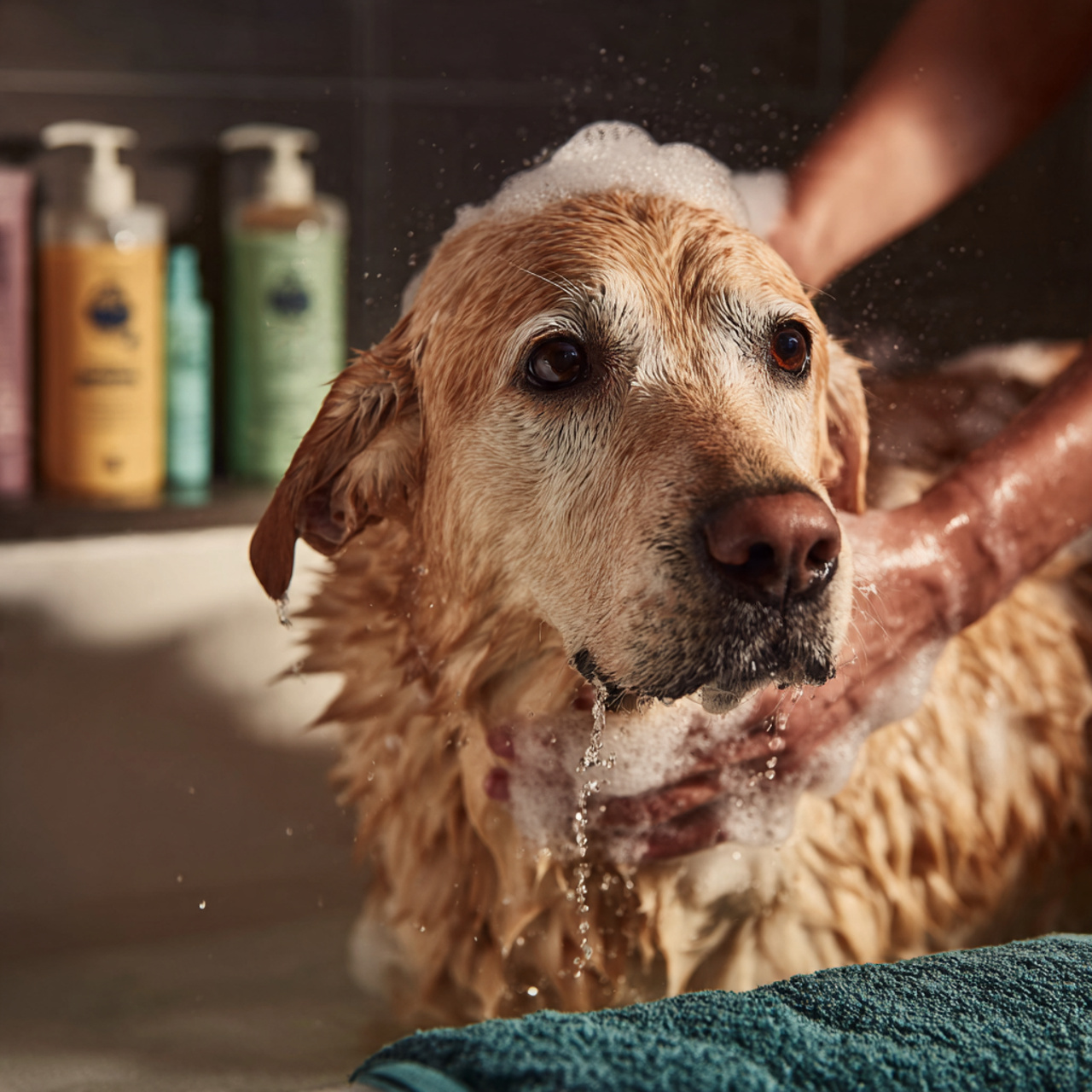
Dogs are where things get more varied and interesting.
The General Rule Of Thumb
For most dogs with normal activity levels and no skin issues, bathing once every 4-6 weeks works well. But honestly, this is just a starting point. Your specific dog might need more or less depending on several factors.
Coat Length Makes A Huge Difference
Short-haired dogs like Beagles, Boxers, or Pit Bulls typically need baths every 6-8 weeks. Their coats don’t trap as much dirt, and they dry quickly after baths.
Long-haired dogs like Golden Retrievers, Collies, or Shih Tzus usually benefit from bathing every 4-6 weeks. Their longer fur collects more dirt and can get matted without regular grooming.
Curly or wiry coats like Poodles or Terriers often need baths every 3-4 weeks, especially if they’re professionally groomed regularly.
Lifestyle is Everything
My friend has two Labs. One is a couch potato who barely goes outside except for bathroom breaks. The other is an adventure dog who hikes, swims in lakes, and rolls in everything.
Guess which one gets bathed more often? The outdoor enthusiast gets a bath every 2-3 weeks, while the homebody goes 6-8 weeks between baths.
3. Signs Your Pet Needs a Bath Right Now
Sometimes the schedule goes out the window because your pet needs a bath NOW.
The Smell Test Never Lies
If you can smell your dog from across the room, it’s bath time. A mild, natural doggy smell is normal, but that strong, musty odor means oils and dirt have built up.
Visible Mess Is Obvious
Mud, dirt, grass stains, or that mysterious sticky substance from the park all mean it’s bath time, regardless of your regular schedule.
After Messy Adventures
- Rolling in something dead (why do they love this?)
- Swimming in a lake or pool
- Playing in the rain and coming home caked in mud
- Getting sprayed by a skunk (this requires special treatment beyond a regular bath)
4. Warning Signs You’re Bathing Too Frequently
Yes, you can actually bathe your pet too much. Here’s how to tell if you’ve crossed that line.
Dry, Flaky Skin
If your pet’s skin looks like it has dandruff or feels dry to the touch, you might be stripping away too many natural oils.
Dull, Lifeless Coat
A healthy coat should have some shine to it. If your pet’s fur looks dull or feels rough and brittle, cut back on the baths.
Increased Scratching
If your pet is suddenly scratching more than usual and you’ve ruled out fleas or allergies, over-bathing could be the culprit. Dry skin is itchy skin.
Changes In Coat Texture
Over-bathed dogs might develop a cottony texture in their fur, or their coat might feel stripped and harsh instead of soft.
What You Need To Know About Your Pet’s Natural Coat?
Before we dive into bathing schedules, let’s talk about what’s actually happening with your pet’s skin and coat.
Dogs and Cats Have Different Skin Than Us
Your pet’s skin has a different pH level than human skin. Dog skin is more neutral (around 7.0-7.5), while cat skin sits around 6.0-6.5.
Human skin, for comparison, is more acidic at about 5.5. This is why you should never use your own shampoo on your pets, it can throw off their skin’s natural balance and cause irritation.
Natural Oils Are Your Pet’s Best Friend
Both dogs and cats produce natural oils that keep their coat shiny and their skin healthy. These oils act like a protective barrier, keeping moisture in and harmful bacteria out. When you bathe your pet too frequently, you strip away these beneficial oils faster than their body can replace them.
Cats are Self-cleaning Machines
Here’s something cool: cats spend about 30-50% of their waking hours grooming themselves. Their tongues are covered in tiny, backward-facing barbs that work like a built-in comb. This is why most cats stay pretty clean on their own and rarely need baths.
Dogs Need A Little More Help
Dogs don’t have the same self-grooming instincts as cats. Sure, they’ll lick themselves occasionally, but they’re not nearly as thorough. Plus, dogs tend to get into more messy situations, rolling in mud, jumping in lakes, or finding that one mysterious smell in the yard that they absolutely must wear.
Conclusion
The bottom line? There’s no single answer to how often you should bathe your pet. Pay attention to your specific dog or cat. Look at their coat type, watch their lifestyle, and trust your nose. A Basset Hound who loves rolling in mud needs more frequent baths than a Husky who stays mostly indoors.
Start with the general guidelines for your pet’s breed and adjust from there based on what you observe. If your pet’s coat looks healthy, their skin isn’t irritated, and they don’t smell bad, you’re probably doing it right. And remember, when in doubt, your veterinarian can give you personalized advice for your specific pet’s needs.