How to Potty Train a Dog Fast (Regardless of Age)
Let’s talk about something every dog owner deals with, potty training. Whether you just brought home an eight-week-old puppy or adopted a three-year-old rescue, accidents in the house are frustrating for everyone involved.
The good news? Potty training doesn’t have to take forever, and it’s definitely not impossible just because your dog is older.
Why Potty Training Is Essential for a Happy Home
A potty-trained dog means freedom. Freedom to have guests over without worry, freedom to let your dog roam the house, and freedom from that sinking feeling when you walk into a room and smell something unpleasant.
Beyond the practical benefits, successful potty training builds trust between you and your dog. They learn what you expect, and you learn to read their signals. It’s communication at its finest.
How Age Does Not Limit Training Success
Here’s something people get wrong all the time: they think older dogs can’t learn new tricks, especially bathroom habits. That’s simply not true.
Yes, puppies might learn faster because they’re forming habits from scratch. But adult and senior dogs are perfectly capable of learning where to go. In fact, older dogs often have better bladder control and longer attention spans, which can actually make training easier in some ways.
Understanding Potty Training Basics
Before we get into the step-by-step process, let’s cover two fundamental principles that will make or break your success.
Positive Reinforcement Versus Punishment
Rewarding your dog for going potty in the right place works. Punishing them for accidents doesn’t.
When your dog eliminates outside, throw a party. Use treats, enthusiastic praise, whatever makes your dog happy. This creates a positive association with going potty in the right spot.
Punishment, on the other hand, teaches your dog to fear you and to hide when they need to go. They don’t connect the punishment to the location of the accident, they just learn that you get scary sometimes.
Importance of Repetition and Consistency
Dogs learn through repetition. The more times they successfully go potty in the right place and get rewarded for it, the faster the habit forms.
Consistency means everyone in your household follows the same rules, uses the same cues, and maintains the same schedule. Mixed messages confuse your dog and slow down progress.
Establishing a Potty Training Routine

Routine is the backbone of fast potty training. Dogs thrive on predictability, and their bodies adapt to schedules.
Scheduling Bathroom Breaks
Take your dog out:
- First thing in the morning
- After every meal (usually 15-30 minutes later)
- After naps
- After play sessions
- Before bedtime
- Every 2-3 hours for puppies, every 4-6 hours for adult dogs
Set alarms on your phone if you need to. Consistent timing prevents accidents before they happen.
Using Consistent Verbal Cues
Pick a phrase and stick with it. “Go potty,” “do your business,” “get busy,” whatever feels natural to you. Say it while your dog is actively eliminating, then reward immediately after.
Over time, your dog will associate the phrase with the action, and you’ll be able to cue them to go on command. Trust me, this is incredibly useful on rainy days or when you’re in a hurry.
Choosing a Specific Potty Spot
Always take your dog to the same area. The lingering scent reminds them why they’re there and triggers the urge to go.
If you have a yard, pick one section. If you’re in an apartment, choose a specific patch of grass or area outside your building. Consistency in location speeds up the process significantly.
Feeding Schedule and Timing Water Intake
What goes in on a schedule comes out on a schedule. Feed your dog at the same times every day, and you’ll be able to predict when they’ll need to eliminate.
For water, keep it available throughout the day but consider picking it up 2-3 hours before bedtime to reduce nighttime accidents. Always consult your vet if you have concerns about water intake.
Supervision and Monitoring
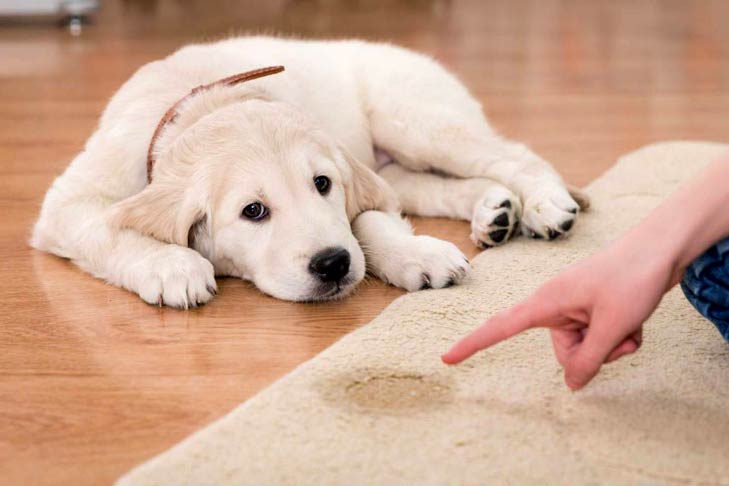
You can’t correct what you don’t see, and you can’t reward success if you miss it.
Observing Signs Your Dog Needs to Go
Learn to read your dog’s signals:
- Sniffing the ground intensely
- Circling
- Whining or pacing
- Heading toward the door
- Suddenly leaving the room
- Restlessness or inability to settle
The moment you see these signs, get your dog outside immediately.
Tethering or Leash Supervision Indoors
When you’re home but can’t give your dog full attention, attach their leash to your belt or keep them in the same room with you. This prevents them from sneaking off to have an accident in another room.
Think of it as helpful supervision, not restriction. You’re setting your dog up for success by keeping them close enough to catch those pre-potty signals.
Keeping a Consistent Approach Inside and Outside
Don’t let your standards slide. If you don’t allow indoor accidents, maintain that expectation every single day. Dogs pick up on inconsistency quickly, and one “free pass” can undo weeks of progress.
Using Confinement and Crates
Confinement isn’t cruel, it’s practical. When used correctly, it’s one of your most powerful training tools.
Benefits of Crate Training for Potty Training
Dogs naturally avoid soiling their sleeping area. A properly sized crate taps into this instinct and helps your dog develop bladder control.
Crates also provide a safe space for your dog when you can’t supervise, preventing accidents and keeping your dog out of trouble.
Choosing the Right Crate or Confinement Area
The crate should be just large enough for your dog to stand up, turn around, and lie down comfortably. Too much space, and they might use one end as a bathroom.
For puppies who will grow, get a crate with a divider so you can adjust the space as they get bigger.
How to Use Confinement When You Cannot Supervise
Any time you can’t watch your dog closely, running errands, taking a shower, cooking dinner, put them in their crate or a small, puppy-proofed room.
Take them out immediately before confinement and immediately after. This maximizes their chances of success.
Handling Accidents Correctly
Accidents happen. How you respond matters more than the accident itself.
Steps to Take When an Accident Occurs
If you catch your dog in the act, calmly interrupt with a gentle “oops” or “outside” and immediately take them to their potty spot. If they finish outside, reward them.
If you find an accident after the fact, just clean it up. Your dog won’t understand why you’re upset about something that happened even five minutes ago.
Cleaning and Odor Removal
Use an enzymatic cleaner specifically designed for pet accidents. Regular cleaners might remove the stain you can see, but they don’t eliminate the odor your dog can smell.
If your dog can still smell where they went before, they’re likely to go there again. Thorough cleaning is non-negotiable.
Avoiding Punishment
Never rub your dog’s nose in an accident, yell at them, or physically punish them. These methods don’t work and damage your relationship.
Instead, treat accidents as information. They tell you that you need to supervise more closely, adjust your schedule, or take your dog out more frequently.
Using Puppy Pads and Indoor Options
Puppy pads are controversial, but they can be helpful in specific situations.
How Dog Pads Assist Training
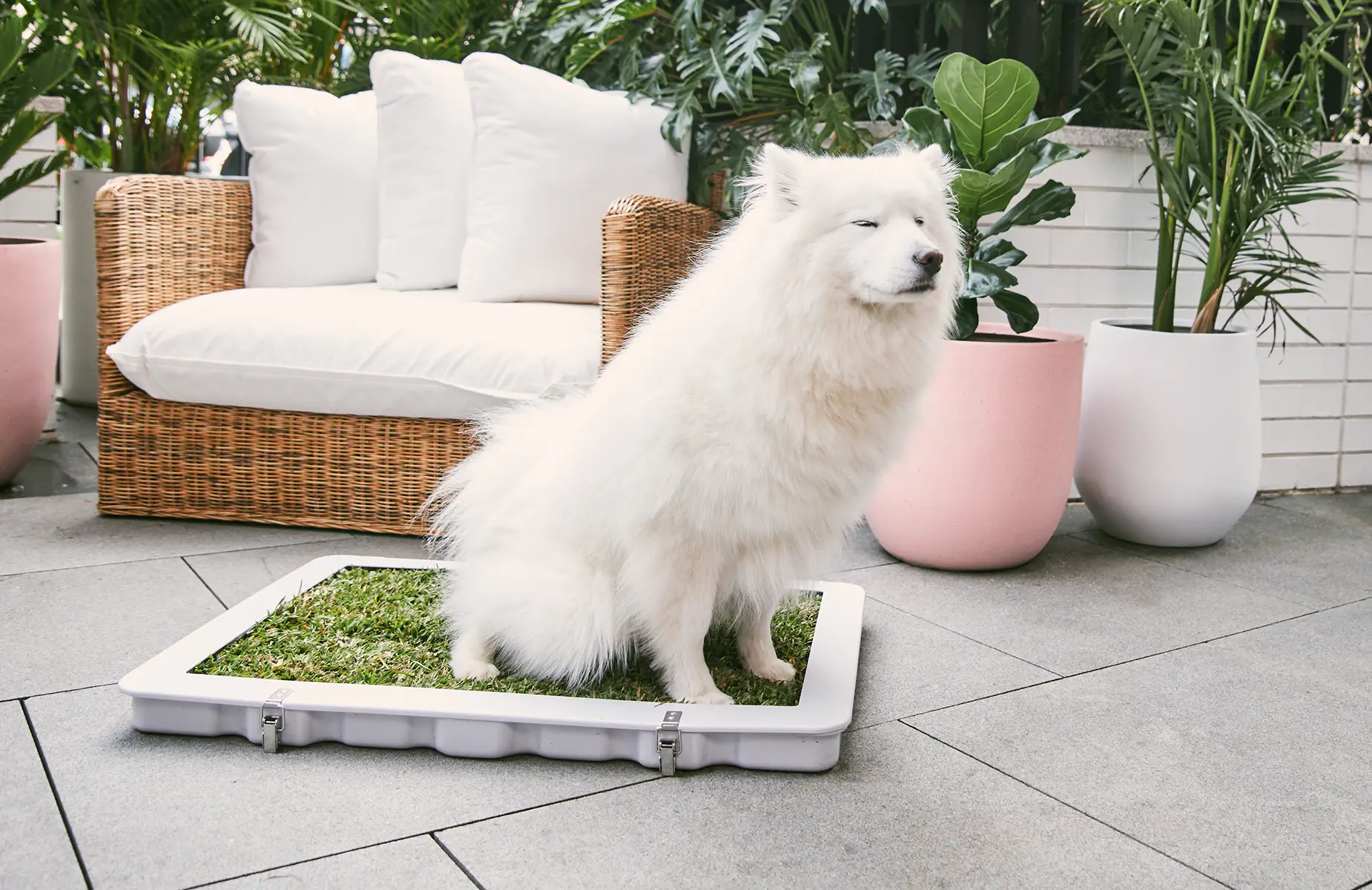
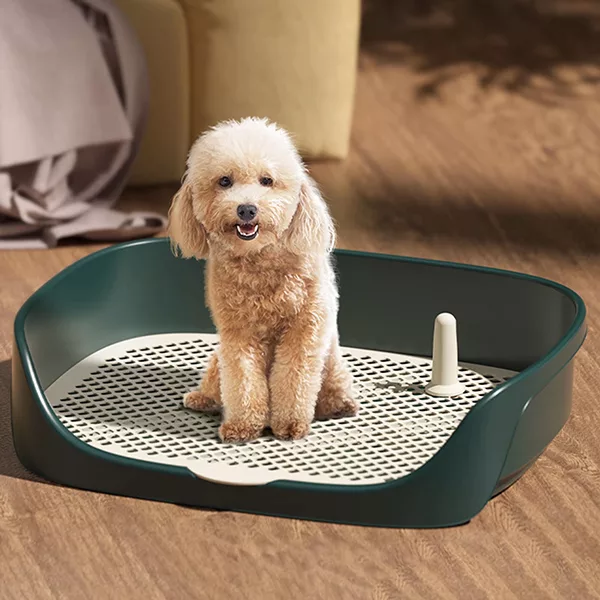
Pads provide an acceptable indoor option for very young puppies who can’t hold it long, dogs in high-rise apartments, or during bad weather. They’re also useful for senior dogs with mobility issues.
The downside? They can prolong outdoor training because they teach your dog that going inside is acceptable.
Placement Strategies
Put pads in a consistent location, preferably near the door you’ll eventually use to take your dog outside. Use a pad holder to keep it in place.
Only use pads when absolutely necessary, not as a permanent solution unless your situation requires it.
Transitioning From Indoor Pads to Outdoor Potty
Gradually move the pad closer to the door over several days. Then move it just outside the door. Eventually, remove it completely once your dog consistently asks to go out.
Increase outdoor potty breaks during this transition to give your dog plenty of chances to succeed outside.
Potty Training Older Dogs
Training an adult or senior dog follows the same basic principles, with a few adjustments.
Adjusting Techniques for Adult or Senior Dogs
Older dogs can hold their bladder longer, which means fewer trips outside. However, they might have established habits that need to be unlearned, which requires extra patience.
Senior dogs might need more frequent breaks due to age-related changes in bladder control. Be compassionate and adjust your expectations accordingly.
Managing Health-Related Issues Like UTIs
If your previously house-trained dog suddenly starts having accidents, schedule a vet visit. Urinary tract infections, diabetes, kidney disease, and other health issues can cause loss of bladder control.
Medical issues need medical solutions, not more training.
Fast-Tracking Potty Training
Want to speed things up? Focus on these key areas.
Tips to Speed Up the Learning Process
Be present: The more time you spend actively training, the faster your dog learns. Take a few days off work if possible to focus intensively on potty training.
Increase frequency: Take your dog out more often than you think necessary. Success breeds success.
Reward generously: Make outdoor potty breaks the highlight of your dog’s day. Use high-value treats, not just kibble.
Keep a log: Track successful potty breaks and accidents. Patterns will emerge that help you refine your schedule.
Staying Consistent and Patient
Fast doesn’t mean instant. Most dogs need at least a few weeks to become reliably house-trained, and some take several months.
Don’t get discouraged by setbacks. Progress isn’t always linear, but if you stay consistent, you will get there.
Avoiding Common Mistakes
Don’t:
- Give your dog too much freedom too soon
- Skip bathroom breaks because it’s raining or you’re tired
- Assume your dog will “tell you” when they need to go before you’ve trained them to do so
- Use potty training as punishment by leaving your dog outside alone for extended periods
Planning for Absences
Life happens, and you can’t always be home on schedule.
Strategies When You’re Away From Home
For short absences (4-6 hours), confine your dog to their crate or a small area and take them out immediately when you return.
For longer absences, arrange for a dog walker, friend, or neighbor to let your dog out mid-day.
Alternatives Like Pet Sitters or Indoor Potty Options
If you work long hours, consider:
- Hiring a dog walker
- Using doggy daycare a few days a week
- Setting up a designated indoor potty area with real grass patches
- Installing a dog door to a secure outdoor area
FAQs
How Long Can a Puppy Hold Their Pee?
As a general rule, puppies can hold it for one hour per month of age, plus one. So a three-month-old puppy can hold it for about four hours maximum. Adult dogs can typically hold it for 6-8 hours, though that doesn’t mean they should have to regularly.
Can a Puppy Be Potty Trained in Seven Days?
Some puppies show significant progress in a week with intensive training, but complete reliability usually takes longer. Focus on building solid habits rather than hitting an arbitrary deadline.
What Is the Fastest Way to Potty Train a Dog?
Consistency, frequent trips outside, generous rewards, close supervision, and proper confinement when you can’t supervise. There’s no magic trick, just committed, consistent effort.
Final Thoughts
Potty training requires patience, consistency, and a good sense of humor. There will be accidents, there will be frustrating moments, but there will also be that amazing day when you realize your dog hasn’t had an accident in weeks.
Reinforcing Habits for Long-Term Success
Even after your dog is fully trained, maintain good habits. Keep a consistent schedule, continue rewarding outdoor potty breaks occasionally, and stay alert to any changes in bathroom habits that might signal health issues.
Strengthening Your Bond Through Training
Every successful potty break is a small victory you share with your dog. You’re learning to communicate, building trust, and creating a foundation for a lifetime together.
Remember, every dog is different. Some catch on in weeks, others take months. What matters is that you’re putting in the effort and staying committed to the process.