9 Signs Your Dog Might Be Sick and Needs a Vet
Dogs are incredibly good at hiding discomfort, which makes spotting illness harder than many people expect. I learned over time that small changes often appear long before serious symptoms do.
Paying attention to those early signs can help you act sooner, reduce stress, and give your dog a better chance at quick recovery.
Sign 1: Sudden Changes in Appetite or Thirst
One of the first things I notice when a dog is not feeling well is a change in eating or drinking habits. Dogs are creatures of routine, so sudden changes usually mean something is off.
A dog that skips meals, eats much less, or suddenly seems obsessed with food may be reacting to discomfort, stress, or an underlying health issue. The same goes for water intake.
Drinking far more or far less water than usual can point to digestive issues, infections, or organ problems. These changes often appear before other symptoms.
Appetite and thirst changes to watch for:
-
Skipping meals for more than a day
-
Sudden increase in hunger
-
Drinking excessive amounts of water
-
Avoiding water completely
These signs are worth a vet call if they last longer than a short period.
Sign 2: Low Energy, Lethargy, or Unusual Tiredness
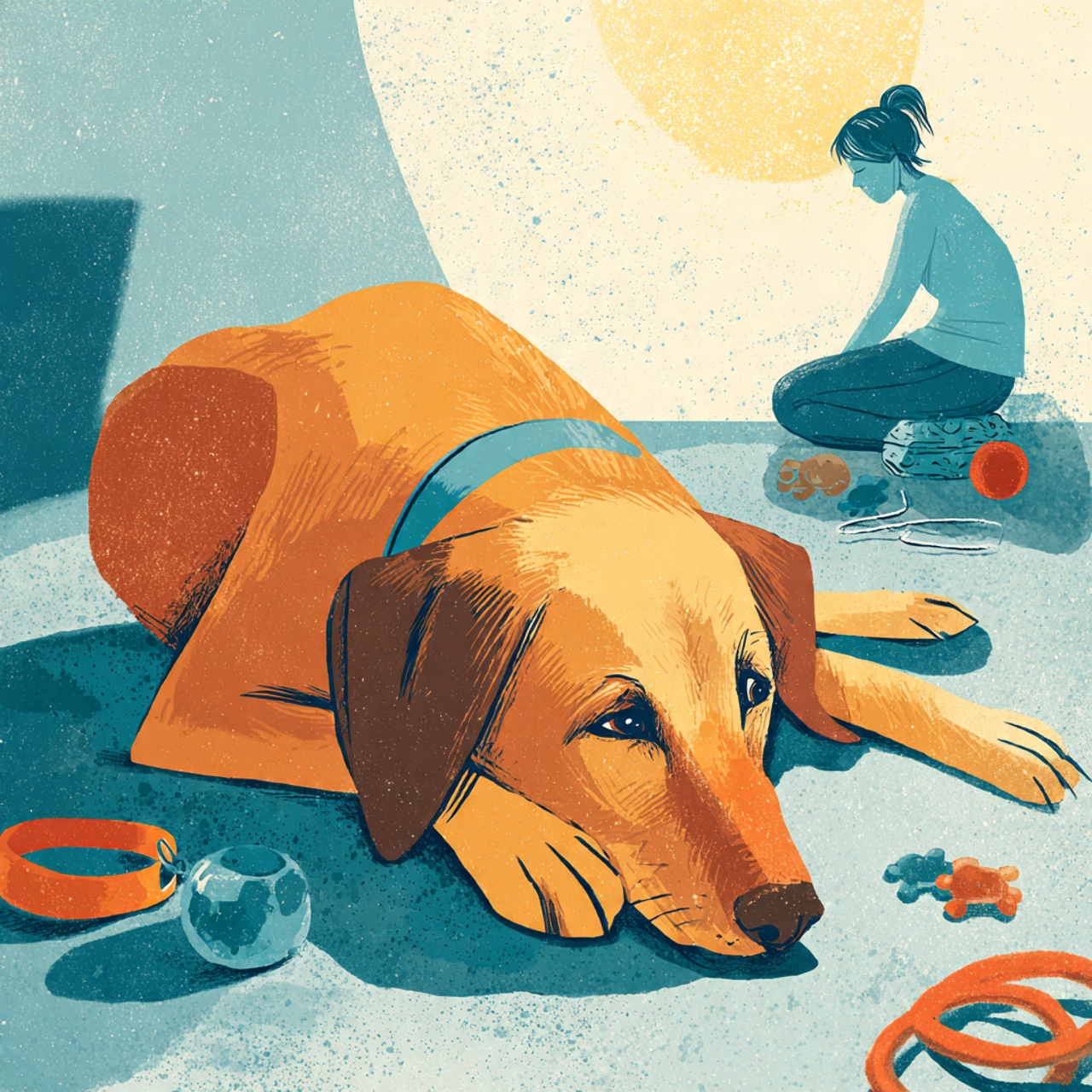
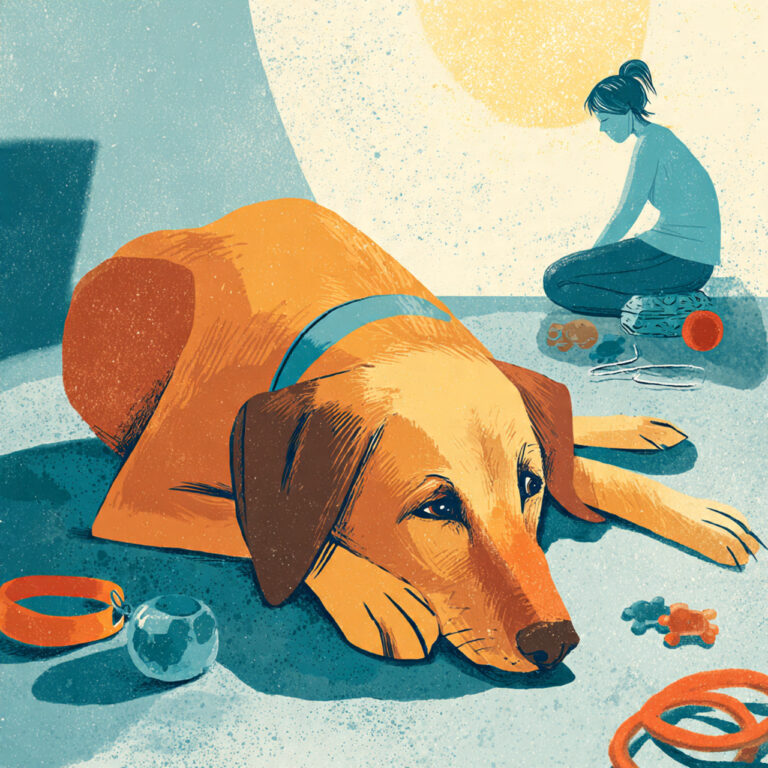
Every dog has lazy days, but ongoing low energy feels different. I can usually tell when tiredness is not normal because my dog stops enjoying things they usually love.
Lethargy often shows up as slower movement, less interest in walks, or sleeping more than usual. Dogs may also seem mentally dull or less responsive.
This type of fatigue can signal infection, pain, or internal issues that are not visible on the surface.
Signs of concerning tiredness include:
- Reluctance to get up
- Skipping walks or playtime
- Sleeping much more than usual
- Slow or stiff movements
If energy does not return within a day or two, a vet visit is wise.
Sign 3: Vomiting, Diarrhea, or Digestive Changes
Digestive issues are common, but patterns matter. An occasional upset stomach happens, but repeated issues should not be ignored.
Vomiting or diarrhea that lasts more than a day can lead to dehydration quickly. Changes in stool color or consistency also offer important clues.
I learned to pay close attention to digestive changes because they often point to infections, food reactions, or internal problems.
Digestive warning signs include:
- Repeated vomiting
- Ongoing diarrhea
- Black, bloody, or pale stools
- Straining or discomfort
When digestion changes persist, it is time to call the vet.
Sign 4: Changes in Breathing or Persistent Coughing
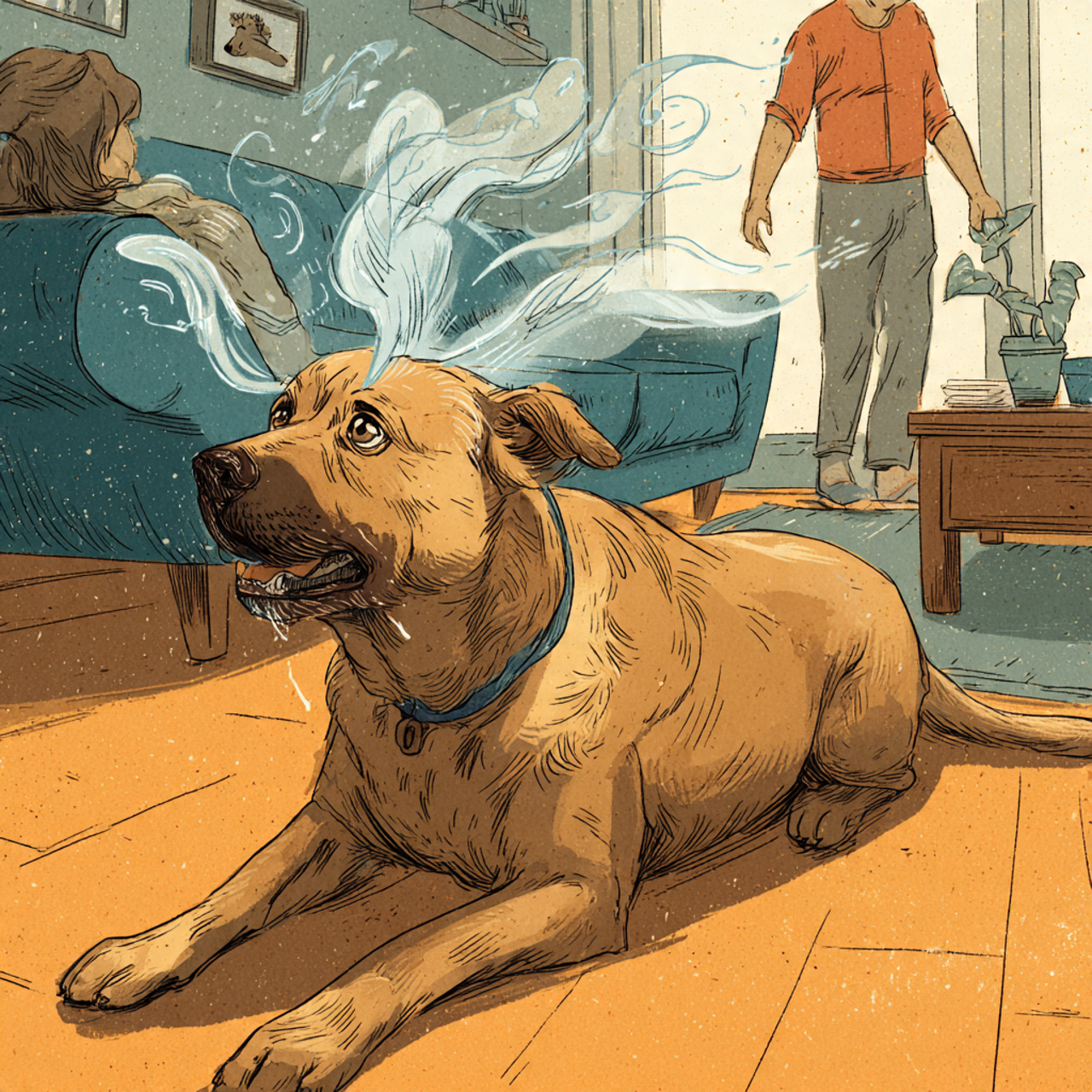
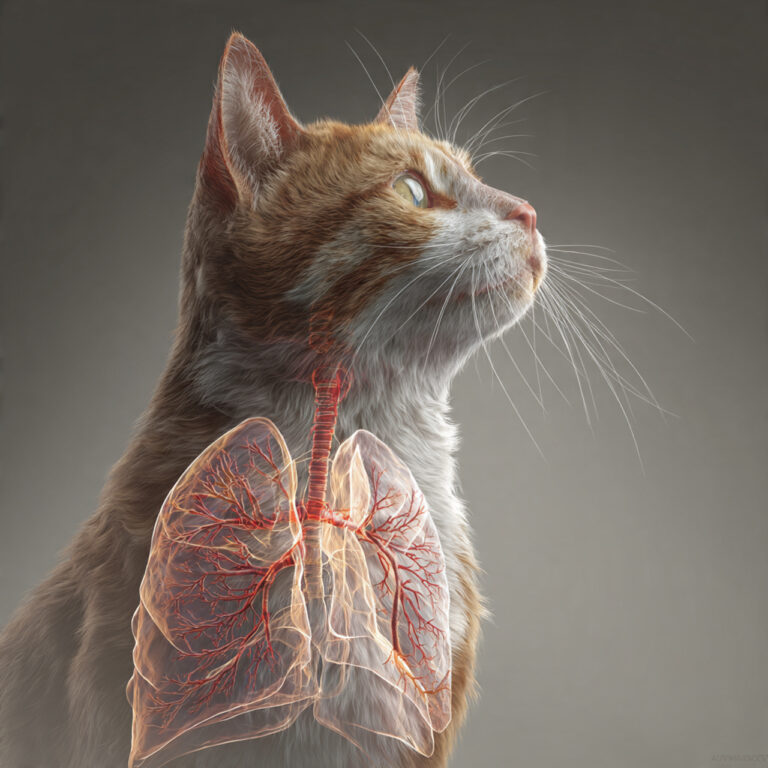
Breathing changes can be subtle at first. Heavy panting without exercise or warm weather is often the first sign I notice.
Coughing that lingers or breathing that seems labored can signal respiratory issues, heart problems, or infections. These symptoms should never be ignored.
Even small changes in breathing patterns deserve attention, especially if they appear suddenly.
Breathing-related signs to watch:
- Rapid or shallow breathing
- Persistent coughing
- Wheezing sounds
- Difficulty breathing at rest
Breathing problems usually require prompt vet evaluation.
Sign 5: Noticeable Weight Loss or Weight Gain
Weight changes often happen gradually, which makes them easy to miss. I only noticed once because a regular check-in made the change obvious.
Unexplained weight loss can signal digestive issues, hormonal imbalances, or chronic illness. Weight gain may point to mobility problems or metabolic issues.
Both changes deserve attention, even if your dog still seems happy.
Weight-related concerns include:
- Visible rib or spine changes
- Sudden weight gain without diet changes
- Loss of muscle tone
- Reduced stamina
Tracking weight helps spot issues early.
Sign 6: Behavioral Changes or Mood Shifts
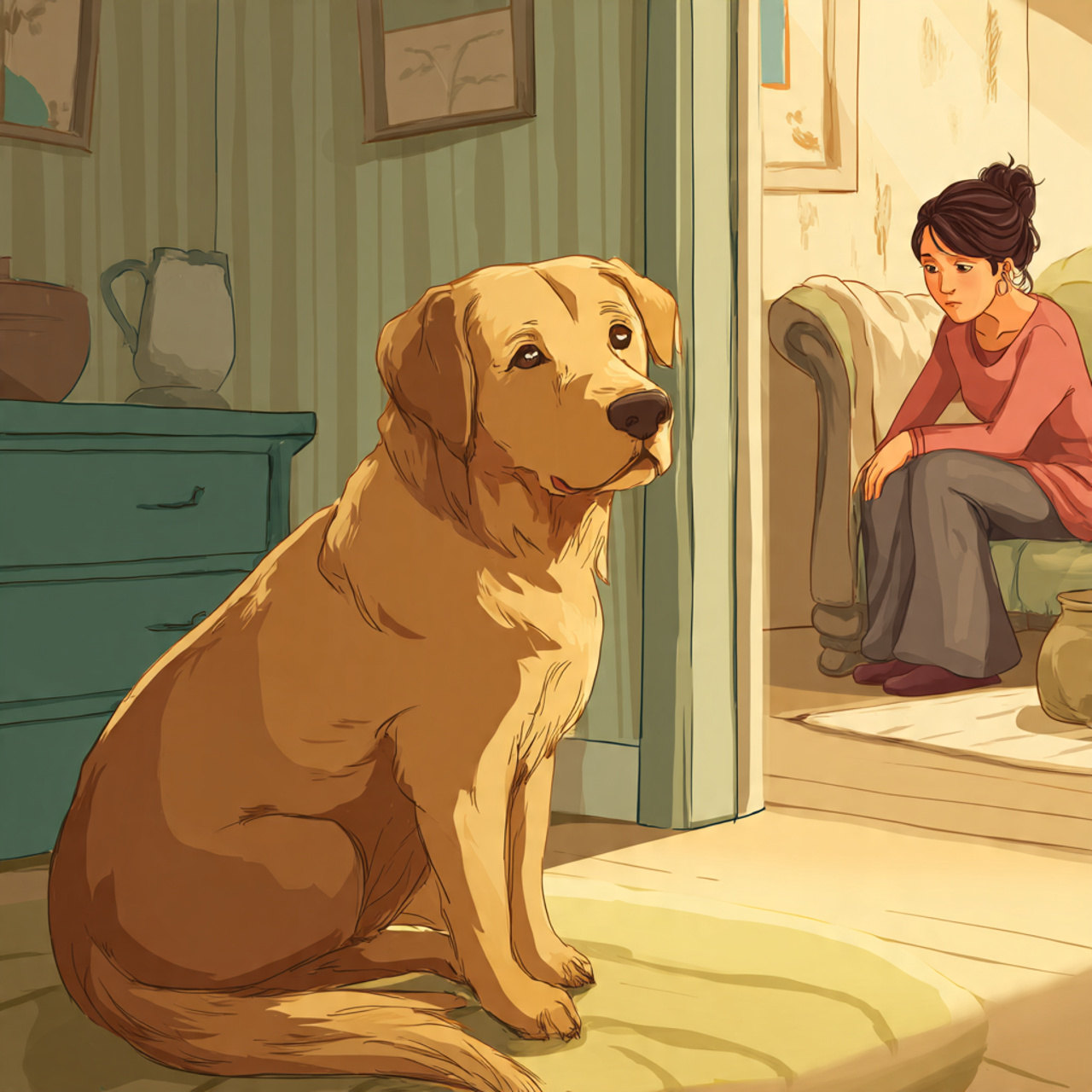
Behavior often changes before physical symptoms appear. I have learned that a dog acting differently is often trying to communicate discomfort.
Dogs may become withdrawn, clingy, irritable, or anxious when they do not feel well. These shifts are easy to dismiss as mood changes.
Behavioral changes usually have a reason, and health is often the cause.
Behavior signs that matter:
- Avoiding people or touch
- Increased aggression or fear
- Restlessness or pacing
- Changes in sleep habits
When behavior changes feel unusual, trust your instincts.
Sign 7: Problems With Mobility or Physical Discomfort
Mobility issues are not always obvious limps. Sometimes it looks like hesitation, stiffness, or slower movement.
Dogs may avoid stairs, hesitate to jump, or move carefully when something hurts. These signs can point to joint issues, injuries, or internal pain.
I learned that small movement changes often appear long before visible limping.
Mobility warning signs include:
- Difficulty standing or sitting
- Stiffness after rest
- Limping or favoring a limb
- Sensitivity to touch
Pain should always be addressed early.
Sign 8: Changes in Skin, Coat, or Appearance
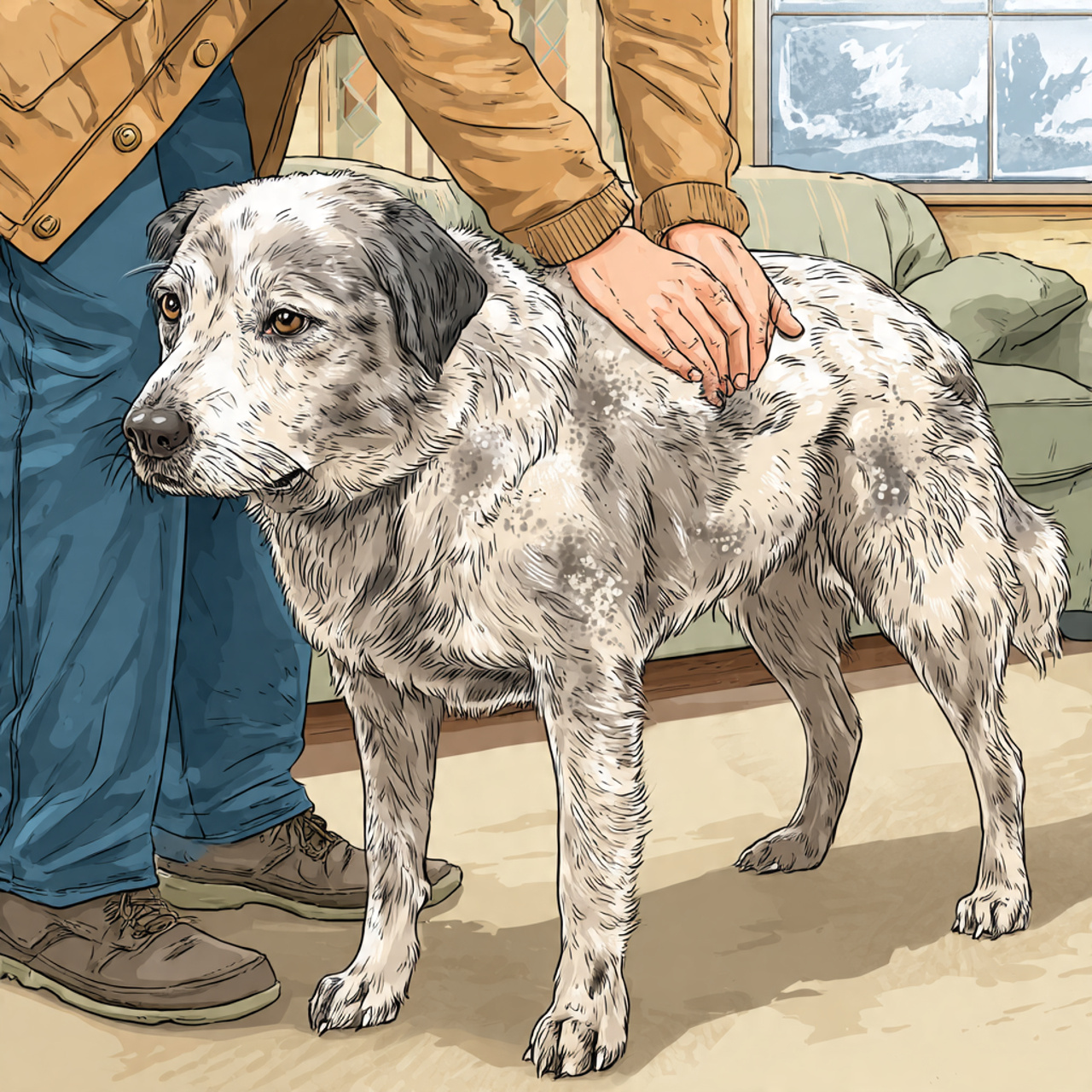
A dog’s skin and coat often reflect internal health. Dull fur, excessive shedding, or skin irritation can signal problems beneath the surface.
Lumps, bumps, or strong odors should always be checked. Even small changes are worth monitoring closely.
Regular grooming helped me notice changes sooner than I would have otherwise.
Appearance changes to watch for:
- Hair loss or thinning coat
- Red, flaky, or irritated skin
- New lumps or swelling
- Unusual odors
Skin changes often reveal deeper issues.
Sign 9: Changes in Bathroom Habits
Bathroom habits reveal a lot about health. Changes often appear before other symptoms.
Frequent accidents, straining, or changes in urine color can signal infections or internal issues. These signs should not be ignored.
I learned to notice patterns rather than isolated incidents.
Bathroom-related warning signs:
- Increased accidents indoors
- Difficulty urinating or defecating
- Blood in urine or stool
- Sudden increase or decrease in frequency
Prompt attention prevents complications.
When to Stop Monitoring and Call the Vet
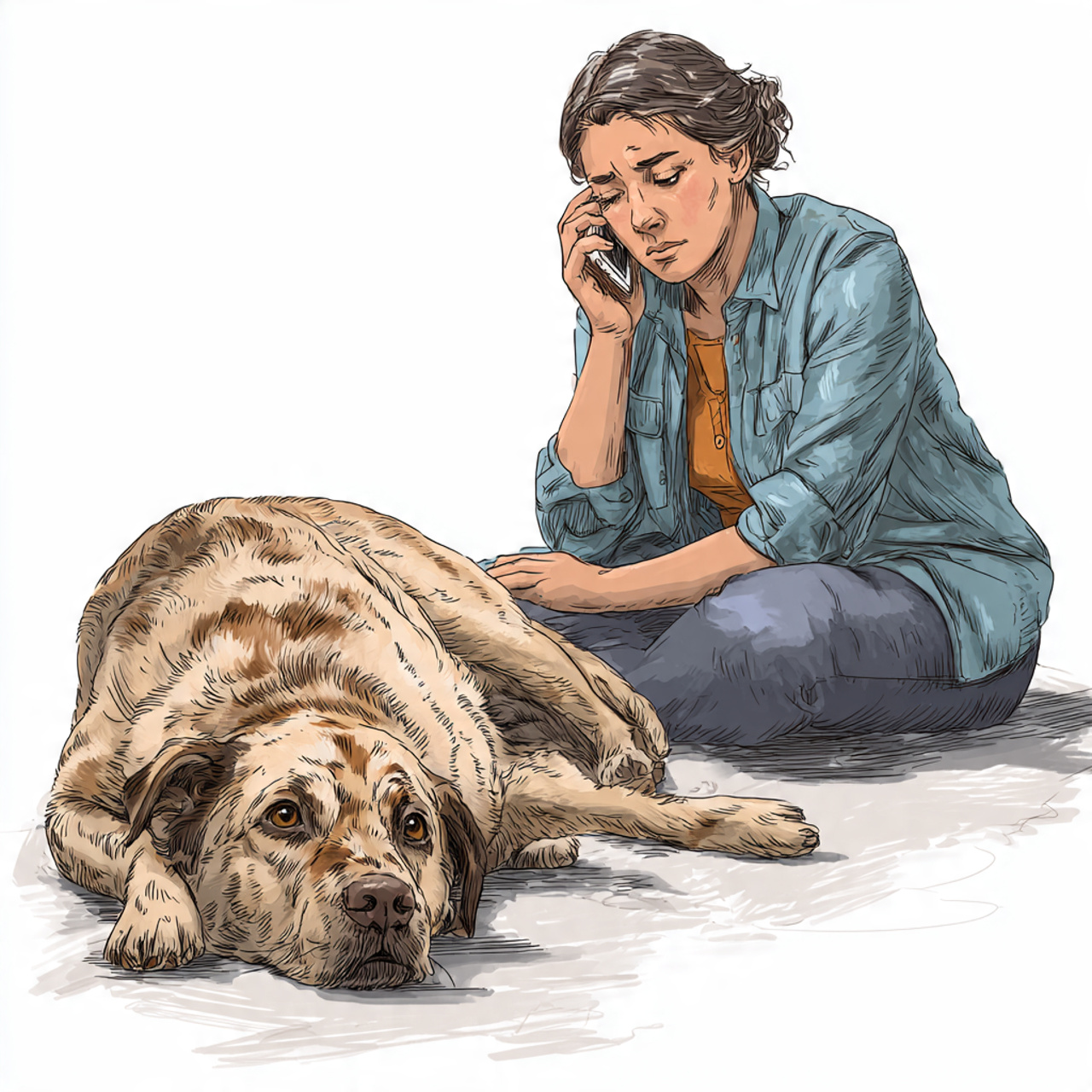
It is tempting to wait and see if symptoms pass. I used to do this until I realized waiting often delays treatment.
If symptoms last more than a day or worsen, it is safer to call the vet. Early action often leads to simpler treatment.
Trust your instincts, you know your dog better than anyone.
Situations that call for a vet visit:
- Symptoms lasting more than 24 hours
- Multiple symptoms appearing together
- Sudden or severe changes
- Your gut feeling says something is wrong
Calling early is never a mistake.
How to Prepare for a Vet Visit When Your Dog Seems Sick
Being prepared helps the vet help your dog faster. I learned that small details matter more than I realized.
Noting when symptoms started and how they changed helps narrow down causes quickly.
Keeping your dog calm also makes the visit easier for everyone.
Helpful preparation steps:
- Write down symptoms and timing
- Note changes in food or routine
- Bring medical records if available
- Keep your dog calm and secure
Preparation saves time and stress.
Conclusion: Paying Attention Can Protect Your Dog’s Health
Dogs rely on us to notice when something is wrong. The signs are often subtle, but they matter. Over time, I learned that early action leads to better outcomes and less stress.
Paying attention does not mean worrying constantly. It means staying aware of patterns, behaviors, and changes that feel unusual for your dog.
When you notice early signs and act promptly, you give your dog the best chance at quick treatment and a comfortable recovery. That awareness can truly make all the difference in your dog’s health and happiness.