7 Best Natural Dog Food Options for Puppies Every Pet Owner Should Know
Watching a puppy develop into a healthy, energetic dog is one of life’s basic pleasures, and it all starts with what goes into their bowl every day. I’ve spent years studying about canine nutrition, both by raising my own puppies and assisting friends in navigating the enormous world of puppy food options.
Natural dog food has become my go-to recommendation since it emphasizes complete, recognized nutrients that promote optimal growth while avoiding artificial additives that might stress a developing system.
In this article, I’ll walk you through seven different types of natural foods that can provide the finest nutritional start for your puppy, explaining what makes each one unique and how to include them into your pup’s diet safely and successfully.
1. Fresh Whole Meat Protein
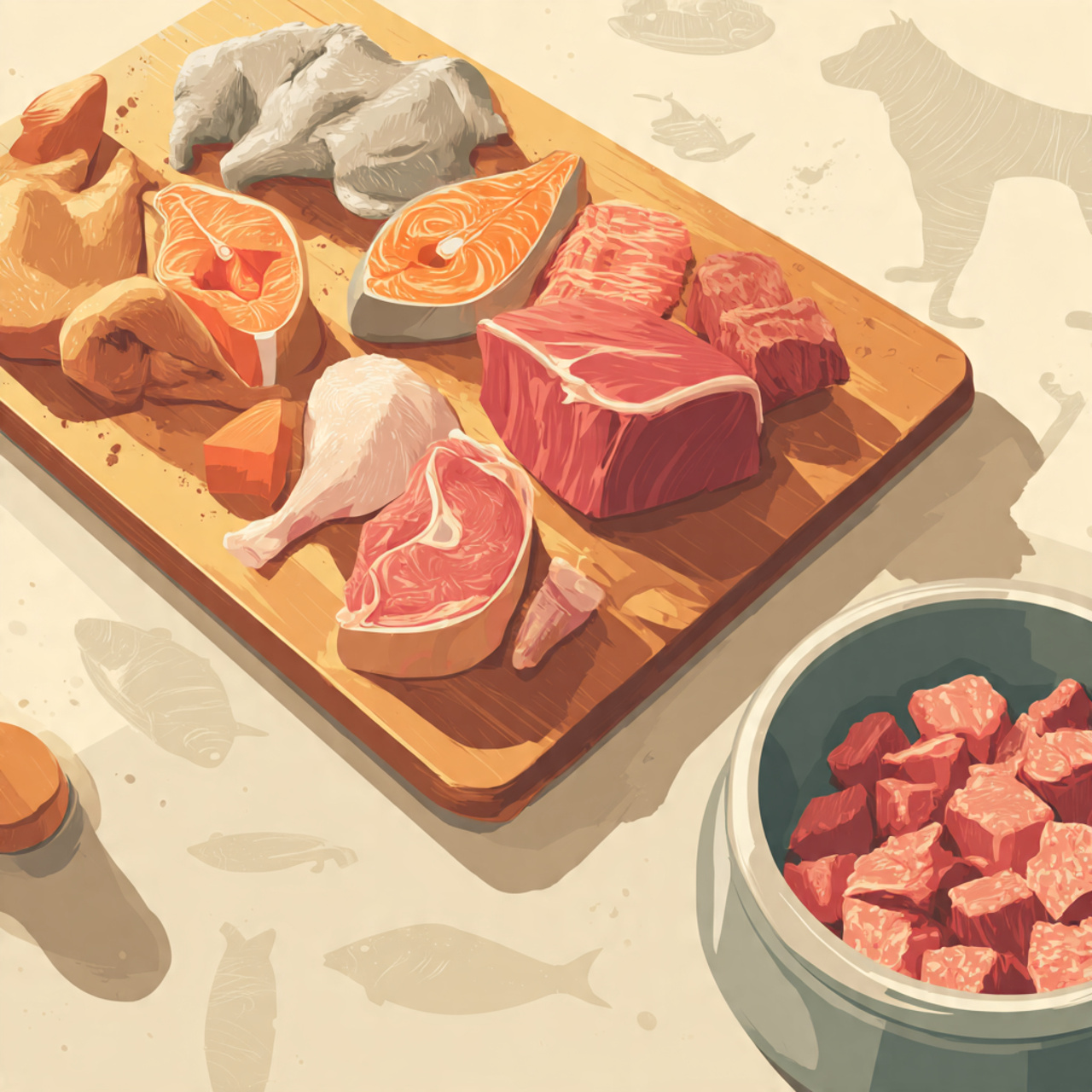
Any natural puppy diet should include high-quality, fresh animal protein. I’m referring to actual chicken, turkey, beef, lamb, or fish, not processed byproducts or mystery meat meals.
Puppies require protein to grow strong muscles, promote organ development, and sustain their endless energy. When I reared my first puppy, I immediately realized that the quality of protein is just as important as the quantity.
Fresh meat should account for a major amount of your puppy’s diet, usually between 40 and 50 percent of their overall meal intake. Chicken is an ideal beginning point because it is lean, easy to digest, and most puppies enjoy the flavor.
Turkey has similar benefits but with somewhat less fat. Beef contains high levels of iron and zinc, which help with immunological function and growth. Lamb is ideal for puppies that are sensitive to more common proteins.
When cooking fresh meat for your puppy, avoid adding oils, salt, or seasonings. Boiling or baking works wonderfully. Remove any cooked bones, as they can splinter and cause significant injury.
Cut the meat into small, manageable pieces based on your puppy’s size. I’ve discovered that including fresh meat into diets improves coat quality, energy levels, and overall vigor within a few weeks.
2. Organ Meats for Nutrient Density
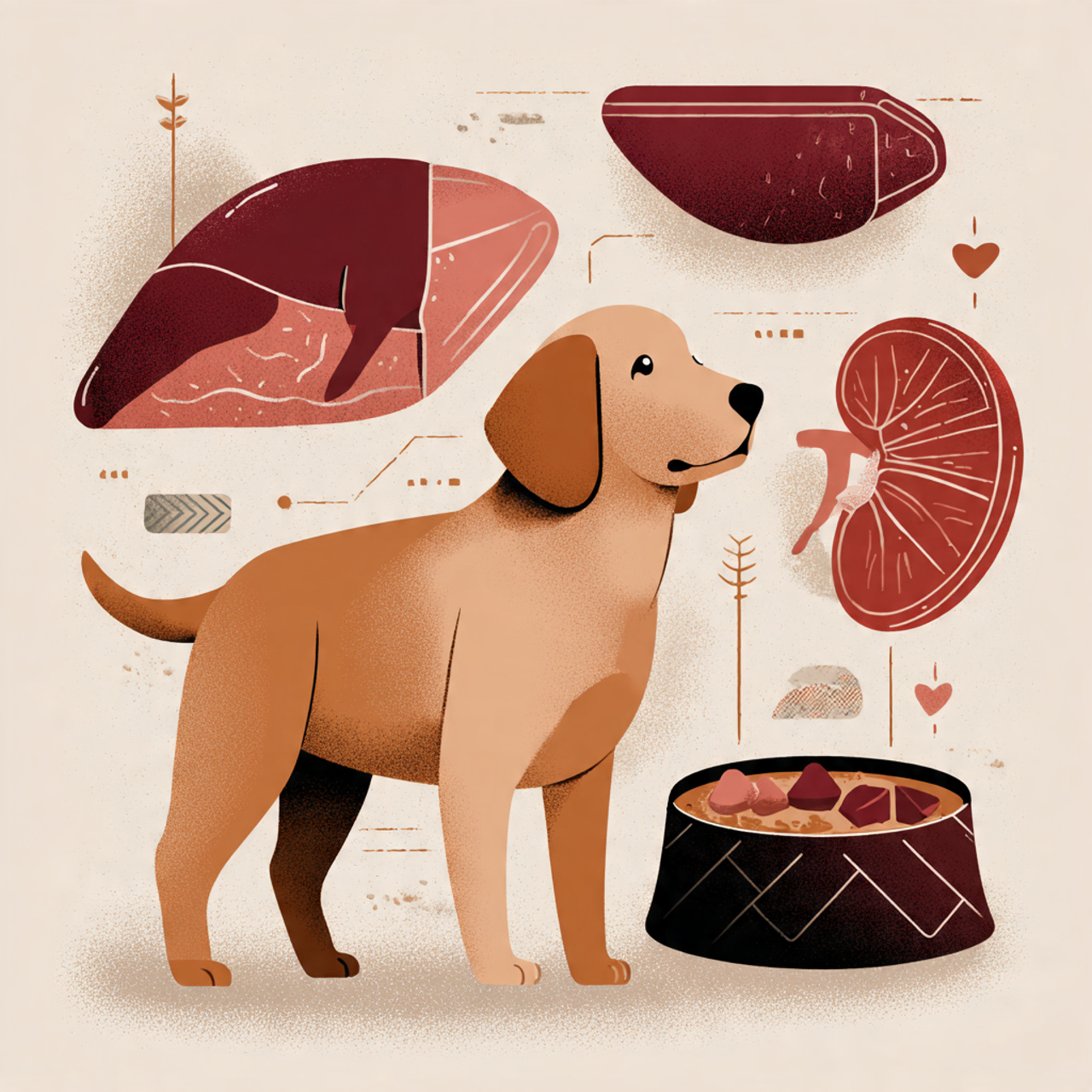
Organ meats might not sound appealing to us, but they’re nutritional powerhouses for puppies. Liver, kidney, and heart are packed with vitamins A, D, E, and K, B vitamins, iron, zinc, and essential fatty acids.
In the wild, canines instinctively eat organ meats first because they recognize their nutritional value. I was skeptical about feeding organs at first, but the health benefits convinced me quickly.
Liver should be the star of your organ meat selection. It’s incredibly rich in vitamin A, which supports eye development and immune function, and iron for healthy blood.
However, liver is so nutrient-dense that it should only make up about 5 percent of your puppy’s diet, too much can actually cause vitamin A toxicity. I feed my puppies liver once or twice a week in small portions.
The heart is technically a muscle meat, but it warrants special attention since it contains taurine, an amino acid required for heart health. renal contains B vitamins and aids with your puppy’s own renal function.
These organs can be prepared in the same way as muscle meat, completely boiled or roasted without seasonings.
3. Whole Eggs as Complete Nutrition
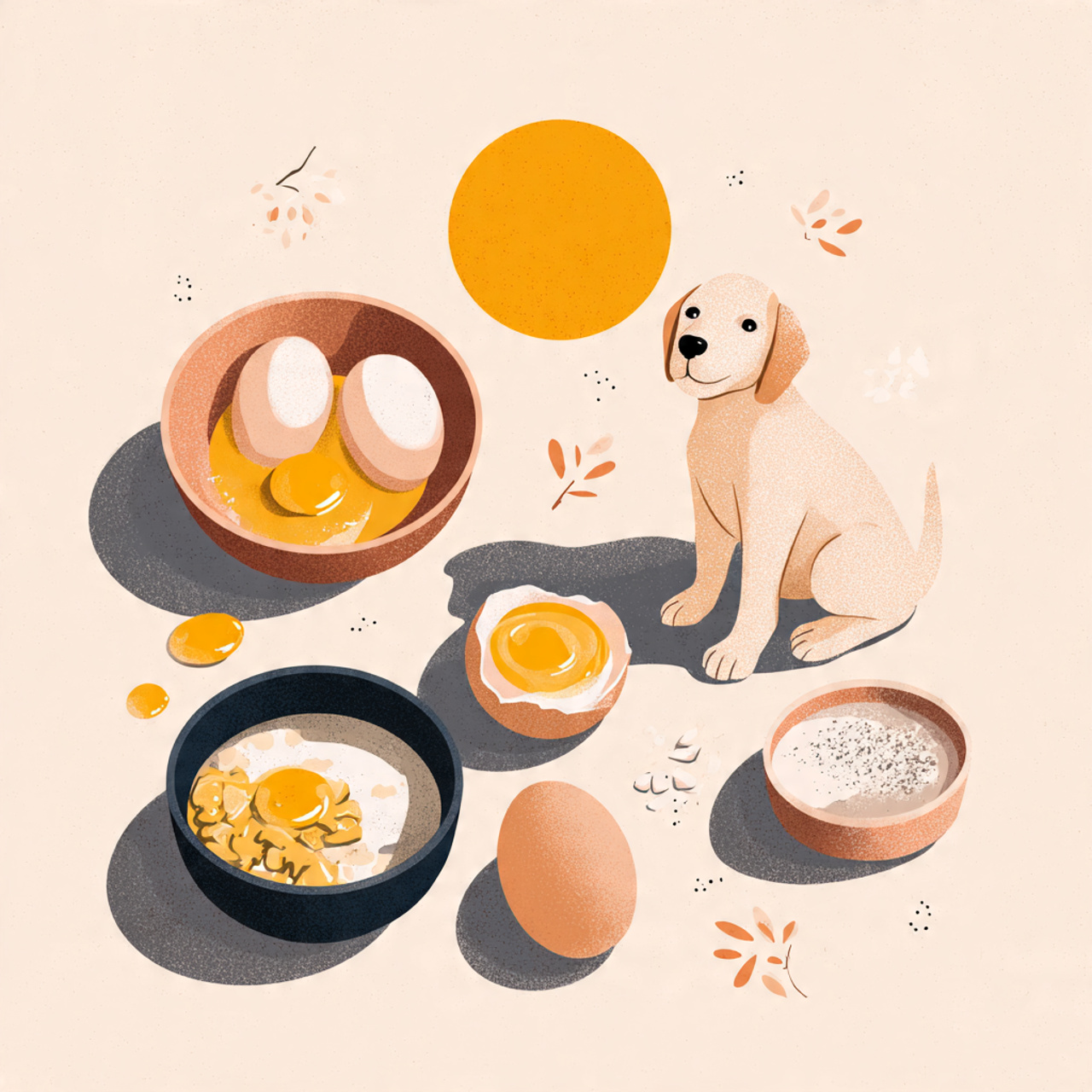
Eggs are nature’s perfect food, and they’re ideal for pups. A whole egg contains full protein with all essential amino acids, healthy fats including omega-3s, vitamins A, D, E, and B12, as well as minerals such as iron and selenium. The crucial term here is “whole,” as both the white and yolk offer balanced nourishment.
I offer eggs to my puppies several times per week, either lightly cooked or uncooked. There is some dispute about raw versus cooked eggs, but I’ve discovered that softly scrambled or soft-boiled eggs are gentler on young digestive systems while retaining the majority of nutrients.
If you prefer to serve raw eggs, make sure they are fresh and from a reputable source to reduce salmonella risk, but dogs manage bacteria better than humans.
One large egg is appropriate for medium to large breed puppies, while small breed puppies do better with half an egg. The eggshell is also valuable, it’s an excellent source of calcium.
You can dry and grind eggshells into a fine powder and sprinkle a small amount over your puppy’s food. This natural calcium source supports bone development without the need for synthetic supplements.
4. Fresh Vegetables for Vitamins and Fiber
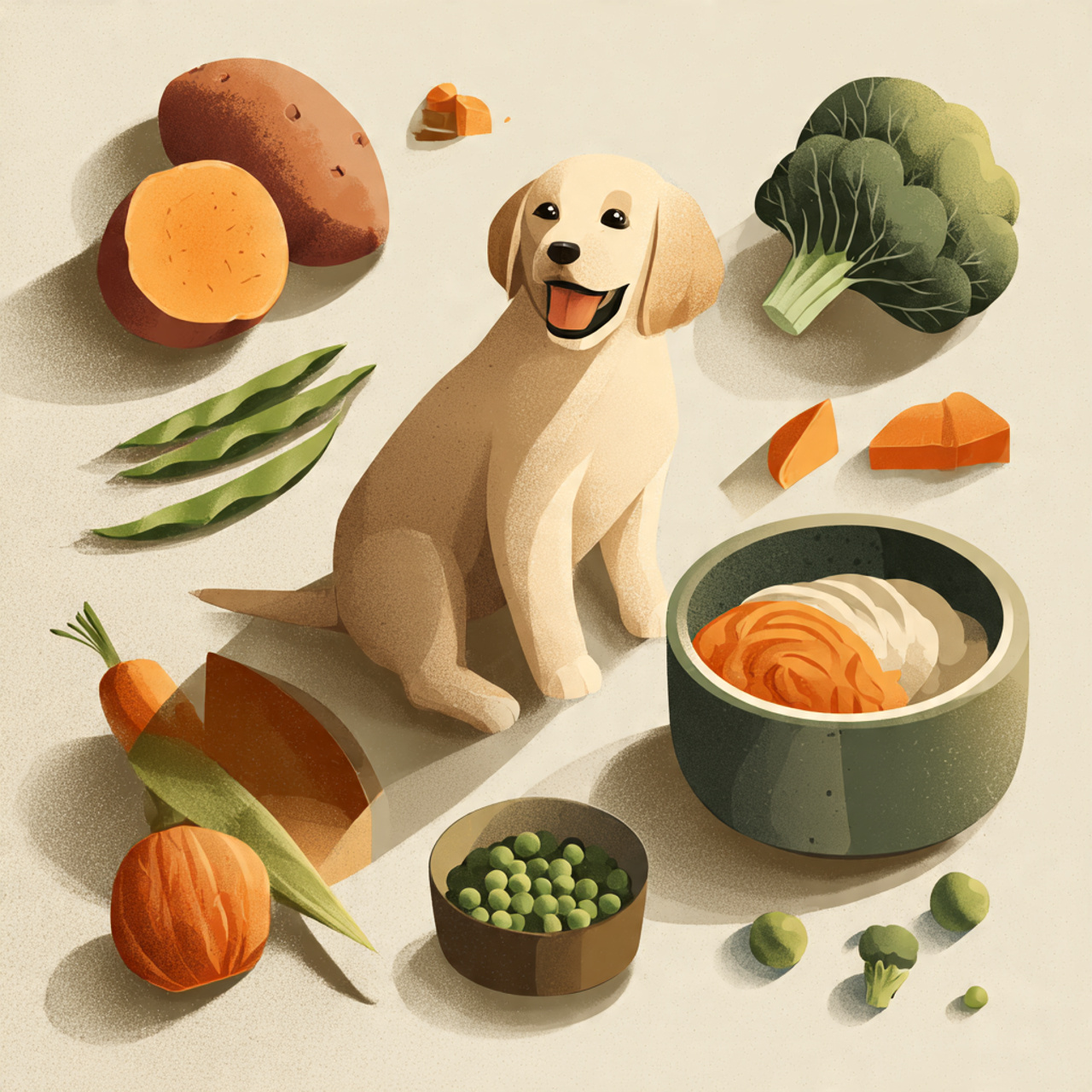
Vegetables may appear to be an unusual food choice for carnivorous puppies, but they include critical vitamins, minerals, antioxidants, and fiber that promote digestive health and immunological function.
In the wild, canines obtain vegetable matter from the stomach contents of prey animals, therefore introducing vegetables replicates this natural diet.
Sweet potatoes are my number one vegetable recommendation for pups. They are high in beta-carotene, which transforms to vitamin A, and include complex carbs that offer long-term energy.
Cook them well, either roasted or steamed, then mash them into your puppy’s meal. Carrots provide similar advantages and can be steamed until mushy, or grated raw in small amounts for a crisp texture.
Green beans are excellent low-calorie options that provide fiber, vitamins K and C, and manganese.
Pumpkin, not the sweetened pie filling but plain pureed pumpkin, is wonderful for digestive health and can help with both diarrhea and constipation.
Peas provide protein, fiber, and various vitamins. Broccoli in small amounts offers powerful antioxidants, though too much can cause gas.
5. Healthy Fats from Natural Sources
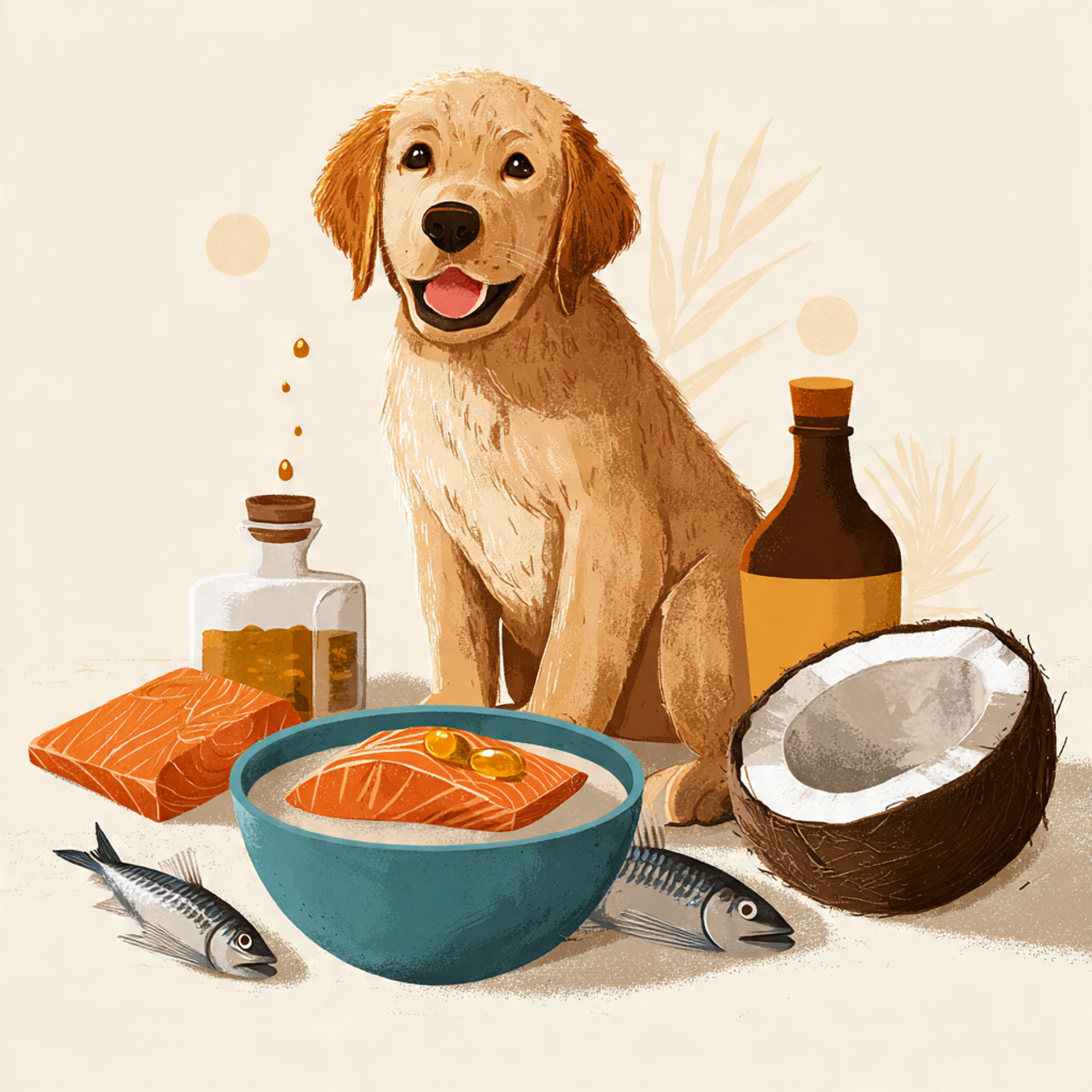
Growing puppies require healthy fats for brain growth, energy, and nutrient absorption. The appropriate fats keep coats glossy, improve cognitive function, and supply concentrated fuel for these quickly growing bodies. I realized the significance of fat quality when I saw how much difference it made in my puppy’s development.
Fish oil is the gold standard for pups because it contains DHA and EPA, omega-3 fatty acids that are essential for brain and eye development. A tiny amount of salmon oil, sardine oil, or cod liver oil added to meals has a big impact.
Start with a few drops for young puppies and gradually increase to roughly a quarter teaspoon every ten pounds of body weight.
Coconut oil has become popular in recent years, and for good reason. It contains medium-chain triglycerides that are easily digestible and provide quick energy. Coconut oil also has antimicrobial properties that support gut health. I add about a quarter teaspoon per ten pounds of body weight to my puppy’s food several times a week.
6. Plain, Unsweetened Yogurt and Cottage Cheese
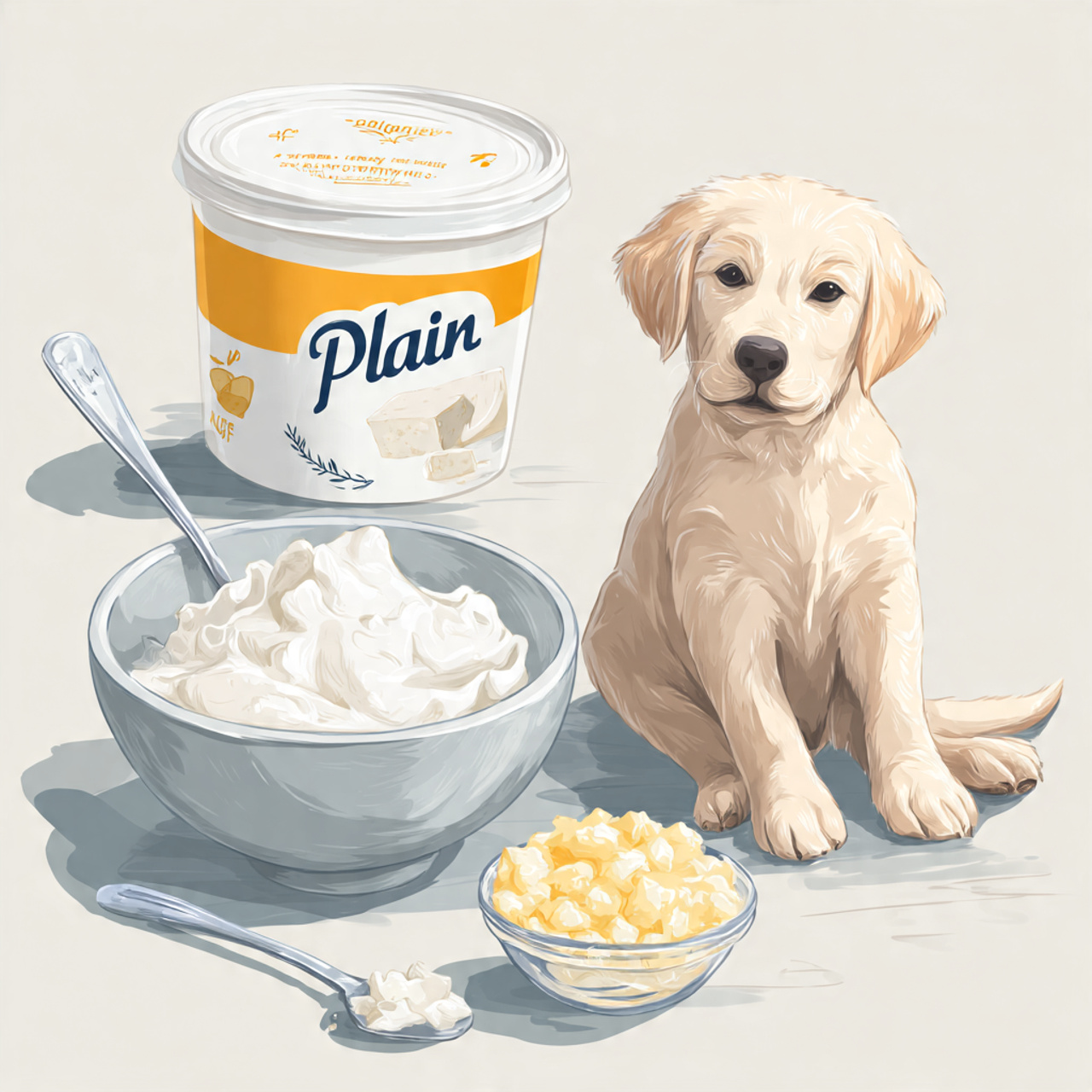
Dairy may appear contentious for dogs, but basic, unsweetened yogurt and cottage cheese can be good natural diets for puppies, as long as they tolerate dairy well.
These foods contain protein, calcium, phosphorus, and probiotics that promote digestive health. Dairy tolerance varies among puppies, so introduce these meals gradually and keep an eye out for any signs of intestinal trouble.
Plain Greek yogurt is my favored pick because it contains more protein and less lactose than ordinary yogurt. Live active cultures, particularly Lactobacillus and Bifidobacterium strains, increase beneficial gut flora.
This is especially useful when transitioning from breastmilk to solid food or changing diets. A spoonful or two added into meals many times each week gives health advantages without excessive dairy consumption.
7. Whole Grains and Grain Alternatives
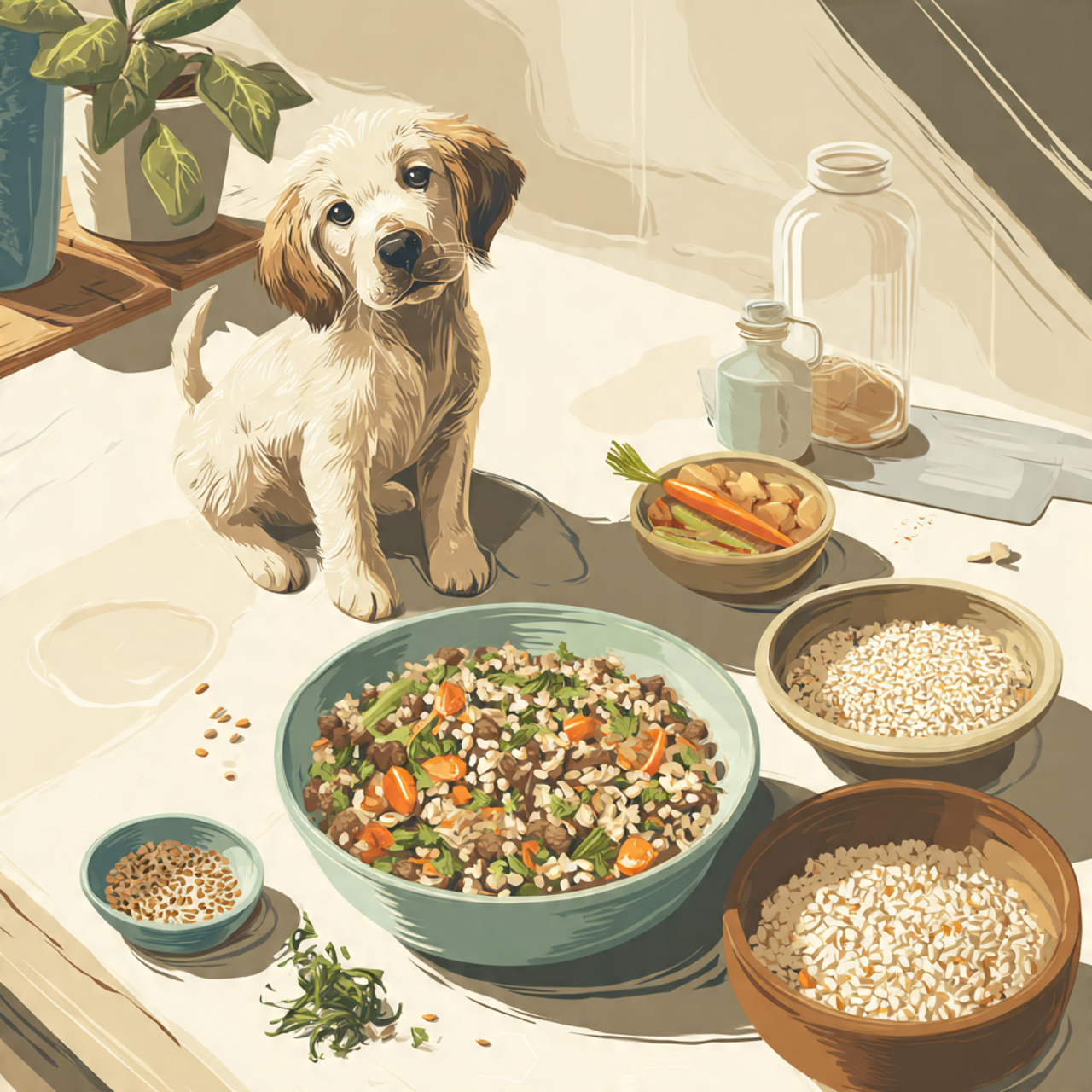
While protein should be the foundation of your puppy’s diet, carbohydrates from whole grains or grain alternatives provide energy, fiber, B vitamins, and minerals that support overall health.
The grain-free trend has created confusion, but the truth is that most puppies do perfectly well with whole grains unless they have a specific diagnosed allergy.
Brown rice is an excellent, easily digestible carbohydrate source that provides manganese, selenium, and magnesium. It’s gentle on developing digestive systems and rarely causes sensitivities.
Cook it thoroughly until very soft, and mix it with protein and vegetables. Oatmeal is another wonderful choice, rich in soluble fiber that supports digestive health and provides sustained energy without blood sugar spikes.
Final Thoughts
I know that preparing fresh food for puppies takes more time than scooping kibble, so I’ve developed strategies to make it manageable. Meal prepping works wonderfully for dog food just as it does for our own meals.
I spend a few hours each week cooking large batches of meat, grains, and vegetables. These get portioned into containers and refrigerated or frozen, making daily feeding quick and easy.
Start slowly if you’re transitioning from commercial food to natural ingredients. Mix small amounts of natural foods with your puppy’s current diet, gradually increasing the proportion over a week or two. This prevents digestive upset and allows their system to adjust to new ingredients.