6 Easy Homemade Dog Food Recipes That Are Vet-Approved and Nutritious
If you love your dog like family, you want them to eat meals that are healthy, tasty, and safe. Homemade dog food is a great way to control what goes into their bowl, provide fresh ingredients, and even save money while giving your pup meals full of love and nutrition.
With these vet-approved recipes, you can make meals your dog will love while keeping their health in check.
1. Chicken and Rice Comfort Meal
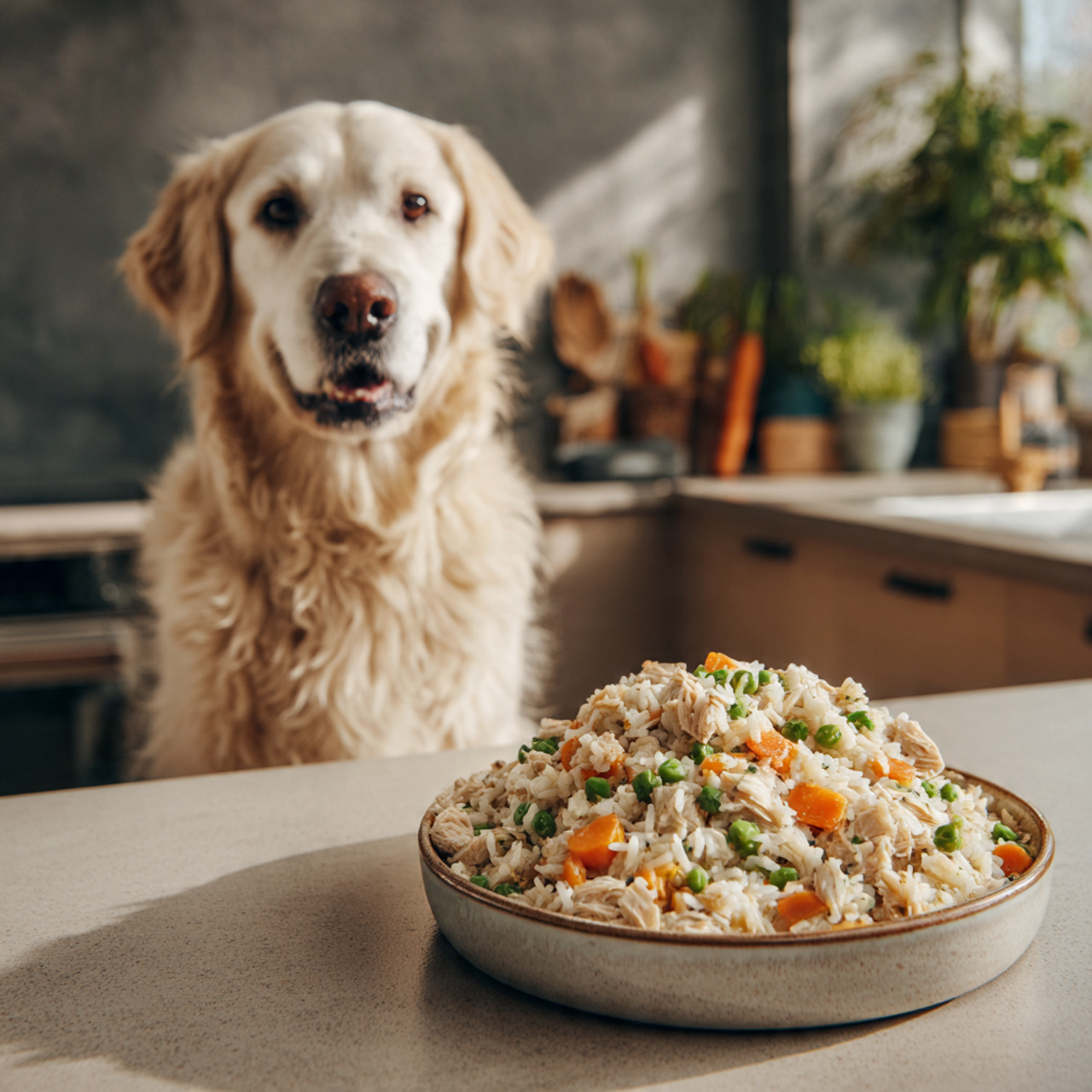
Chicken and rice is a classic for a reason. It’s easy to digest, gentle on the stomach, and packed with protein. This is especially great for dogs with mild digestive issues or just as a wholesome daily meal.
Ingredients Needed:
- 2 cups cooked chicken, shredded
- 1 cup cooked white or brown rice
- 1/2 cup cooked carrots
- 1/2 cup cooked peas
- 1 teaspoon olive oil
How to Prepare:
- Cook chicken thoroughly and shred it into bite-sized pieces.
- Steam or boil the vegetables until soft.
- Mix chicken, rice, and veggies together, adding a teaspoon of olive oil.
- Let it cool before serving.
Feeding Tips:
- Serve warm, not hot, to protect their mouth and digestive system.
- Store leftovers in the fridge for up to three days, or freeze for later use.
2. Beef and Vegetable Balanced Bowl
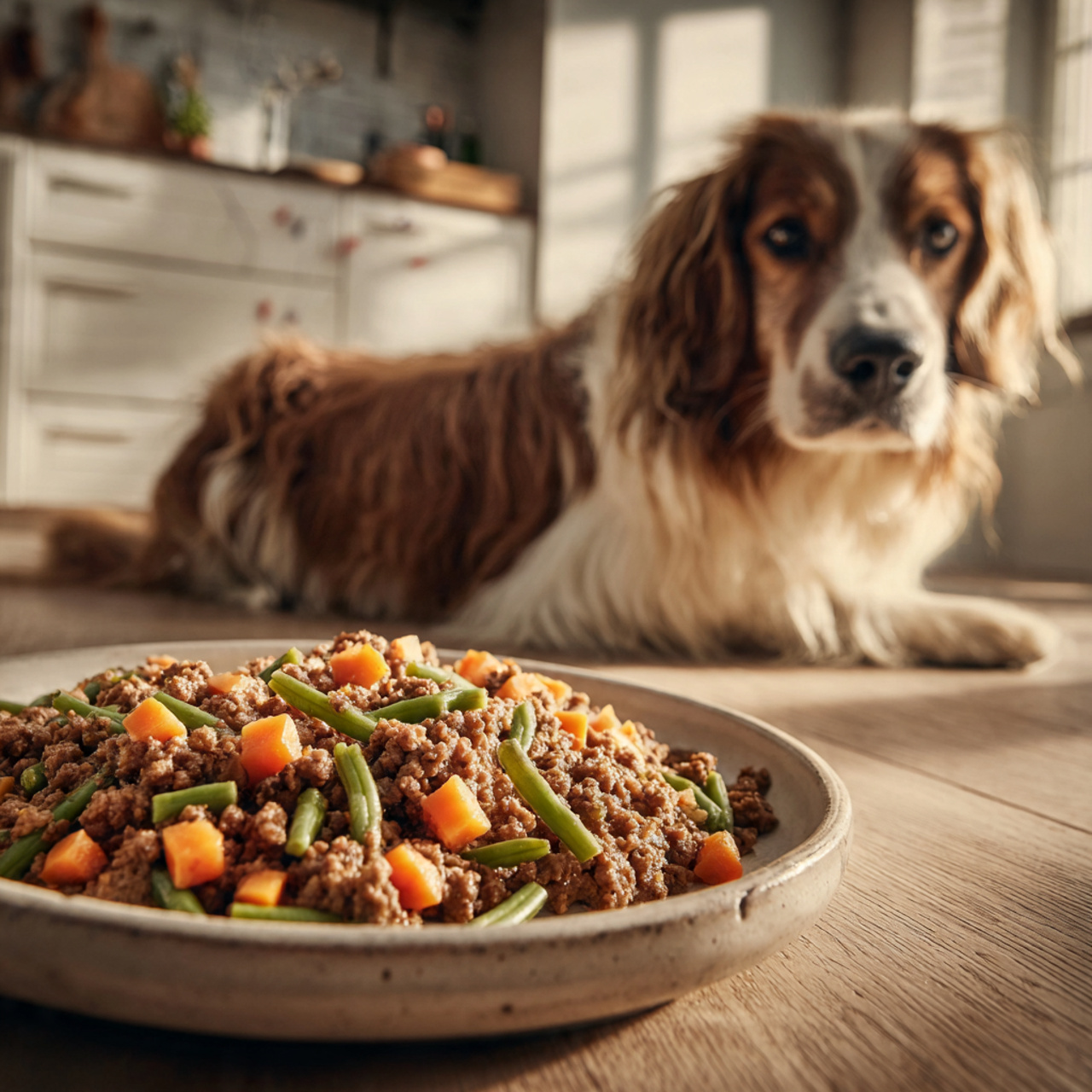
If your dog loves a hearty meal, beef is the way to go. Beef is rich in iron and B vitamins, and when paired with vegetables, it creates a balanced bowl full of energy and flavor.
Ingredients Needed:
- 2 cups lean ground beef
- 1 cup cooked brown rice
- 1/2 cup chopped green beans
- 1/2 cup diced carrots
- 1 teaspoon coconut oil
How to Cook:
- Brown the ground beef in a non-stick pan, draining any excess fat.
- Steam or boil the vegetables until tender.
- Mix beef, rice, and vegetables, adding coconut oil.
- Let cool before serving.
Why It Works:
This meal provides a perfect protein-to-carb ratio, and the vegetables give fiber for healthy digestion. It’s filling, tasty, and will make your dog’s tail wag.
3. Turkey and Sweet Potato Recipe
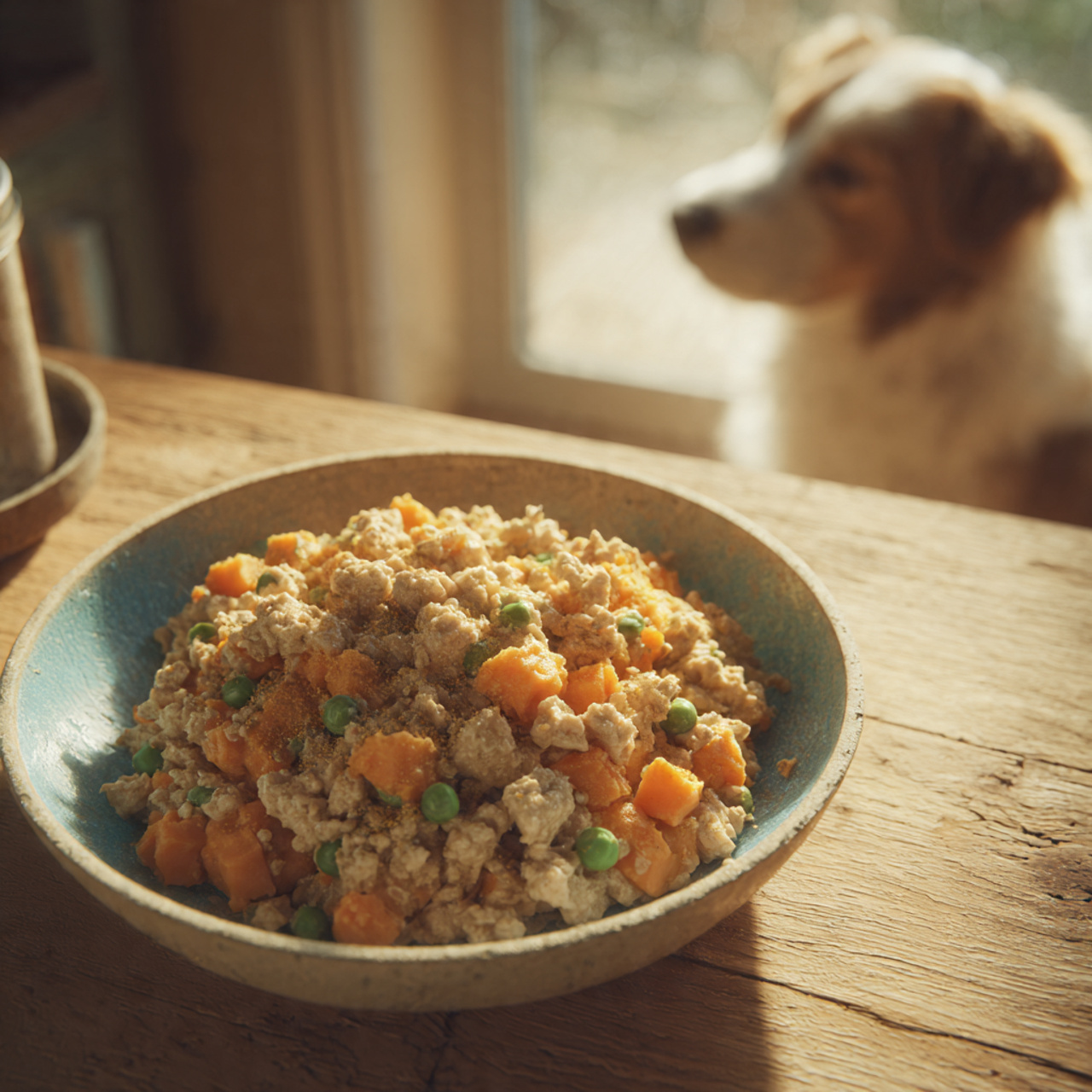
Turkey is a lean, low-fat protein that’s great for active dogs or those needing a lighter meal. Paired with sweet potatoes, it provides complex carbohydrates for energy and fiber for digestion.
Ingredients Needed:
- 2 cups ground turkey
- 1 cup mashed sweet potato
- 1/2 cup peas
- 1/2 teaspoon turmeric (optional for anti-inflammatory benefits)
Preparation Instructions:
- Cook ground turkey until fully browned.
- Boil or bake the sweet potato, then mash until smooth.
- Steam peas until tender.
- Combine all ingredients, adding turmeric if desired.
Feeding Tips:
- Sweet potatoes are high in fiber, so monitor your dog’s stool the first time you serve this recipe.
- Portion based on your dog’s size and activity level.
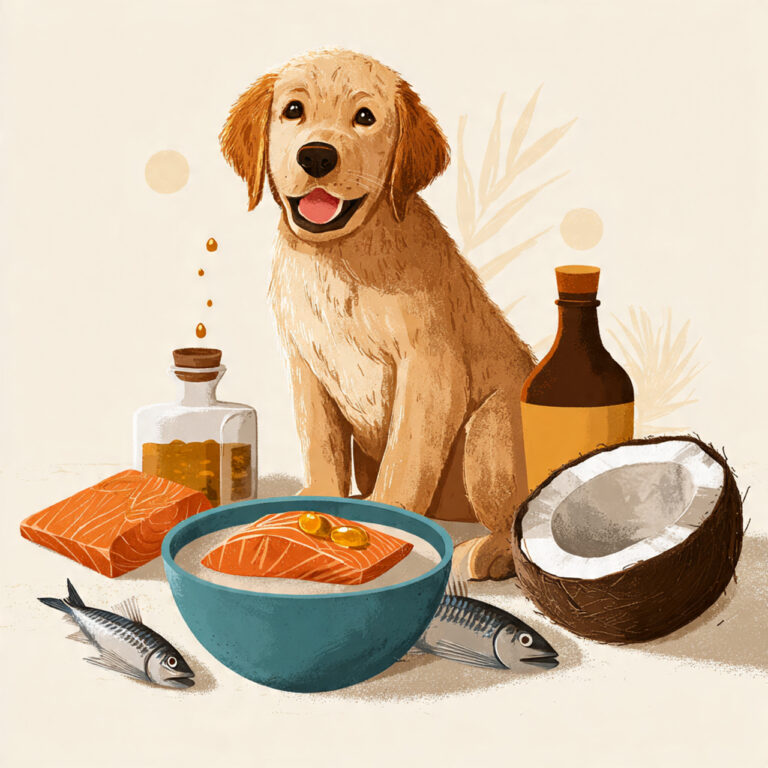
4. Fish and Brown Rice Omega Boost Meal
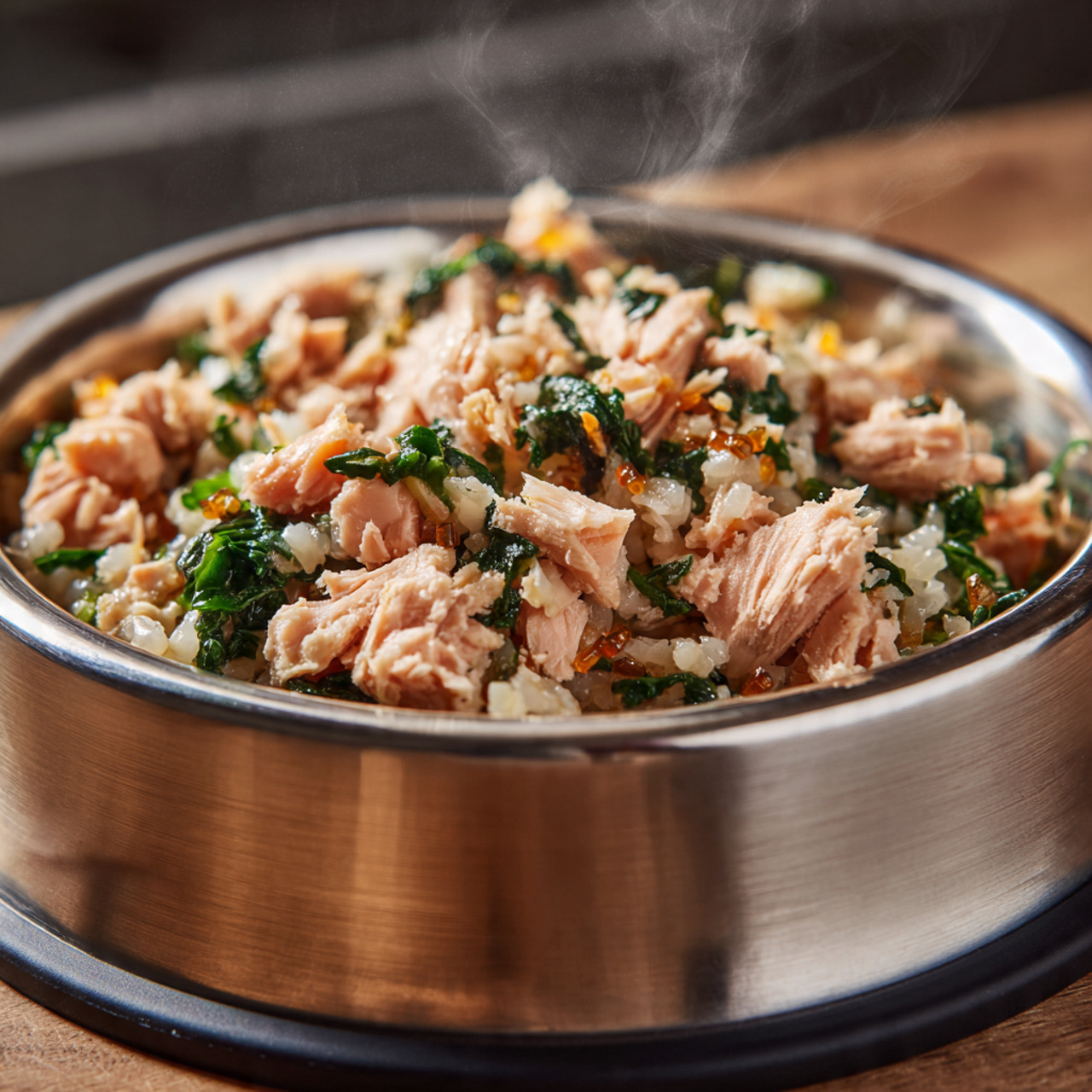
Fish is excellent for coat health thanks to omega-3 fatty acids. Salmon or white fish works best, and when combined with rice, it creates a gentle meal for sensitive tummies.
Ingredients Needed:
- 2 cups cooked fish, flaked
- 1 cup cooked brown rice
- 1/2 cup chopped spinach or zucchini
- 1 teaspoon fish oil
How to Cook Safely:
- Bake or steam the fish; never use raw fish.
- Cook rice and lightly steam vegetables.
- Mix fish, rice, and veggies, adding fish oil at the end.
Best For:
Dogs needing a shiny coat, improved brain function, and joint support. Omega-rich meals are also great for senior dogs.
5. Lamb and Pumpkin Digestive Support Recipe
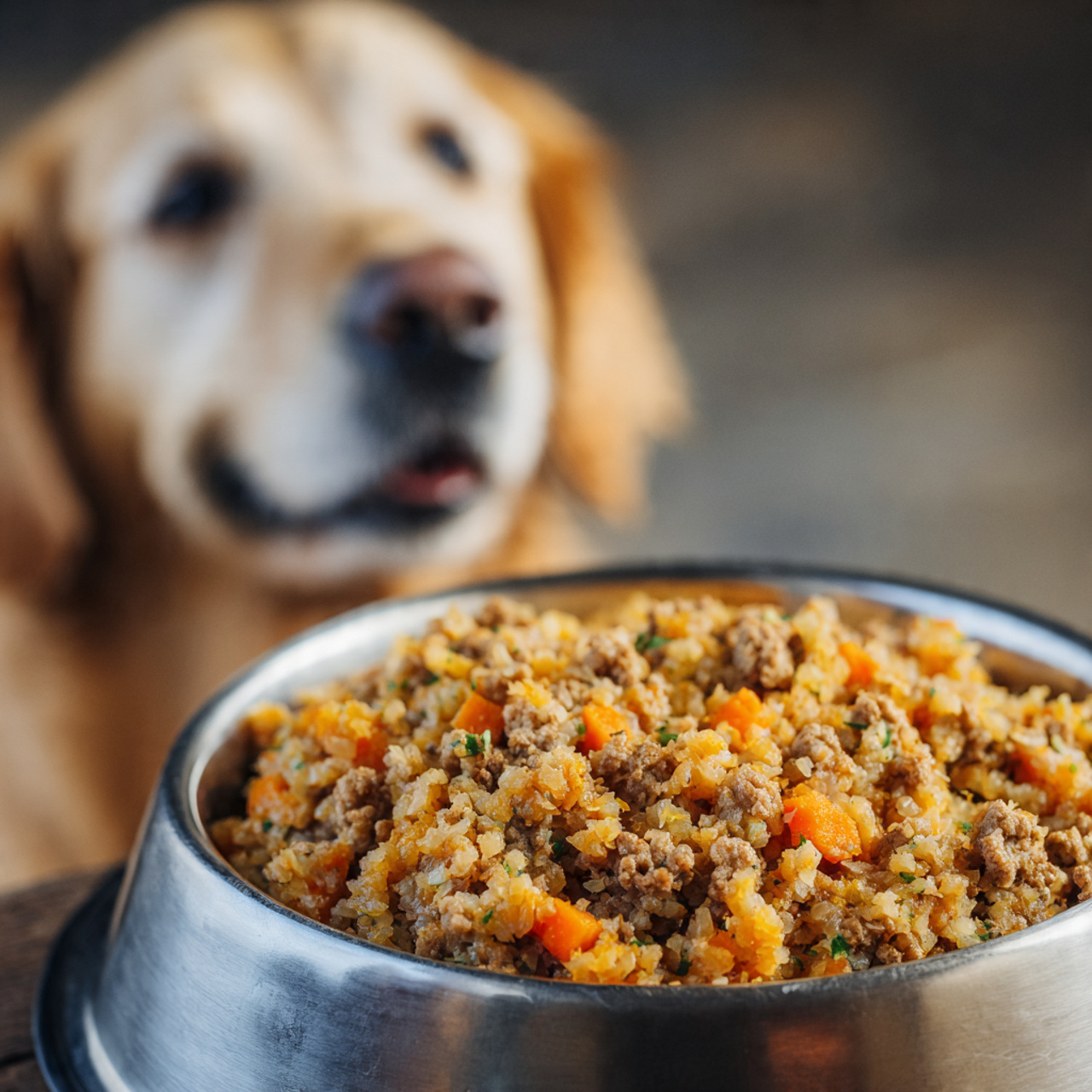
Lamb is a great alternative protein, especially for dogs that react to chicken or beef. Combined with pumpkin, it supports digestion and provides a delicious flavor.
Ingredients Needed:
- 2 cups cooked ground lamb
- 1 cup cooked quinoa or brown rice
- 1/2 cup pumpkin puree
- 1/4 cup carrots
Preparation Steps:
- Brown the lamb and drain excess fat.
- Steam or boil the carrots until soft.
- Mix lamb, grains, pumpkin, and carrots together.
Digestive Benefits:
Pumpkin is high in fiber and aids digestion, while lamb provides high-quality protein without common allergens.
6. Vegetarian Lentil and Rice Dog Meal
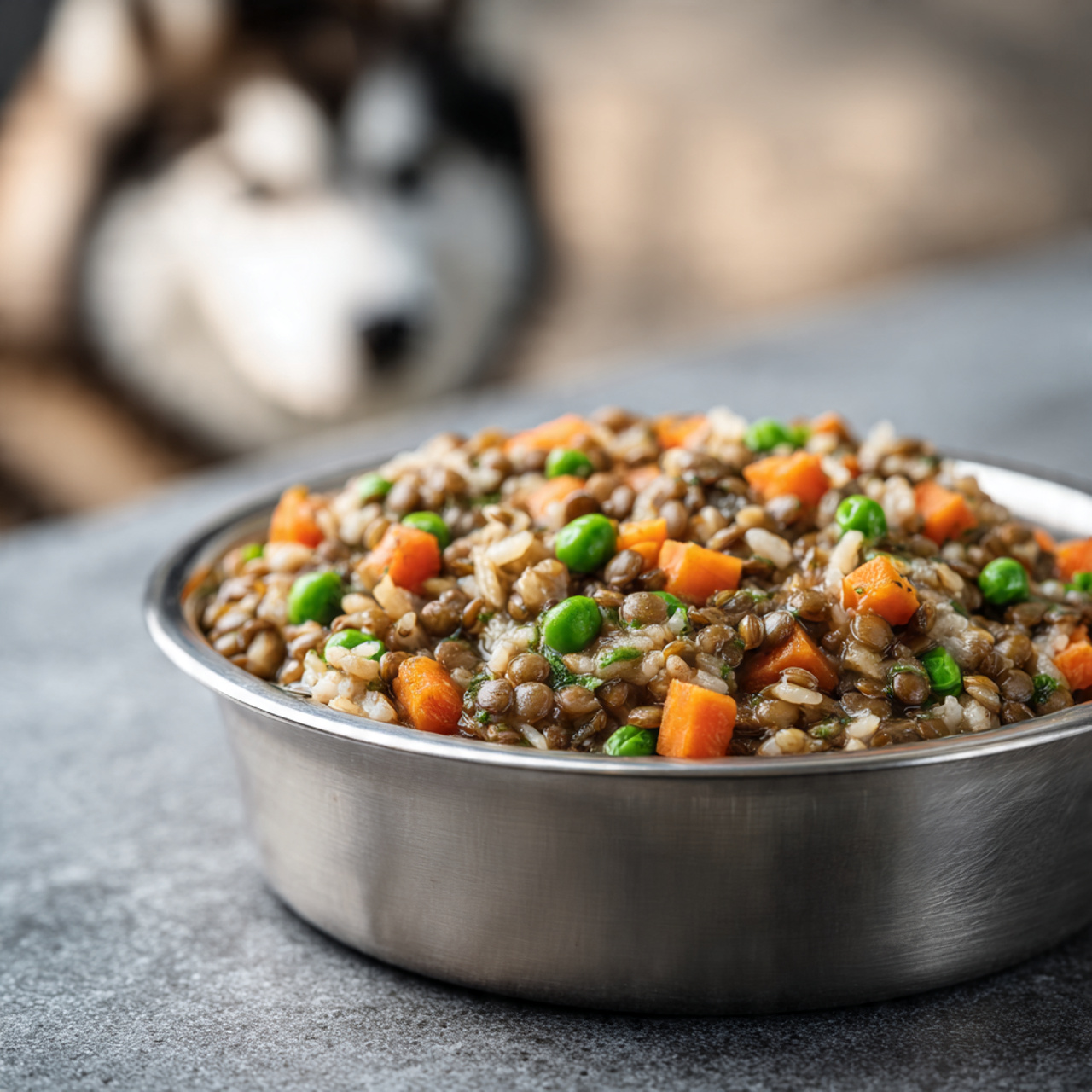
Some dogs can thrive on plant-based meals with proper protein balance. Lentils are a good source of protein, fiber, and minerals, making this recipe suitable for certain dogs with veterinary approval.
Ingredients Needed:
- 1 cup cooked lentils
- 1 cup cooked brown rice
- 1/2 cup chopped carrots
- 1/2 cup peas
- 1 teaspoon olive oil
How to Prepare:
- Cook lentils until soft, avoiding overcooking.
- Steam vegetables until tender.
- Combine lentils, rice, and vegetables with olive oil.
Feeding Guidelines:
- Ensure your dog gets enough protein from other sources if on a long-term vegetarian diet.
- Consult your vet before switching entirely to plant-based meals.
Storage, Freezing, and Meal Prep Tips
Making homemade dog food is easier when you plan ahead. Batch cooking and freezing meals saves time while keeping food fresh.
Storage Tips:
- Keep cooked food in airtight containers in the fridge for up to three days.
- Freeze in portions for up to two months.
- Thaw in the fridge overnight, and serve at room temperature.
Reheating Tips:
- Avoid microwaving directly; warm gently in a pan if needed.
- Always stir well to prevent hot spots that can burn your dog’s mouth.
Meal Prep Benefits:
- Saves time during busy weeks
- Ensures your dog consistently eats balanced meals
- Reduces waste from spoiled ingredients
What Does Good Food Look Like For Dogs
Before we dive into recipes, it’s important to understand what makes a dog’s meal balanced and healthy. Dogs need protein, fats, carbohydrates, vitamins, and minerals every day. Getting this mix right ensures they have energy, maintain a healthy coat, and support their immune system.
- Proteins – Chicken, beef, turkey, lamb, and fish provide essential amino acids.
- Carbohydrates – Rice, sweet potatoes, and oats give energy without upsetting digestion.
- Fats – Fish oil or chicken fat supports brain and coat health.
- Vitamins & Minerals – Vegetables like pumpkin, peas, and carrots provide important nutrients.
Some ingredients are safe and healthy, while others, like onions, garlic, chocolate, grapes, and certain artificial sweeteners, should never go into a dog’s food. Always check ingredients if you’re trying something new.
Final Thoughts
Homemade dog food is not just about nutrition, it’s about love, care, and connection. When you make meals at home, you know exactly what your dog is eating. With these six recipes, you have a variety of options to rotate, keeping mealtime exciting while supporting your dog’s health.
Always remember: consult your vet when trying new ingredients, and monitor your dog’s reaction to new foods. Every dog is different, so what works for one might need small tweaks for another. With a little planning, homemade meals can be delicious, nutritious, and affordable, giving your furry friend the best life possible.