11 Common Dog Health Problems and Symptoms Every Dog Owner Should Know
Owning a dog is one of the most rewarding experiences in life. The love, loyalty, and joy they bring into your home is unmatched. But just like us, dogs are not immune to health problems. No matter how well you feed them or how much you care, illness can still happen.
This guide will help you understand the most common dog health problems, their symptoms, and what to do when you notice something is off. Think of this as a friendly heads-up, not something to panic over.
1. Kennel Cough
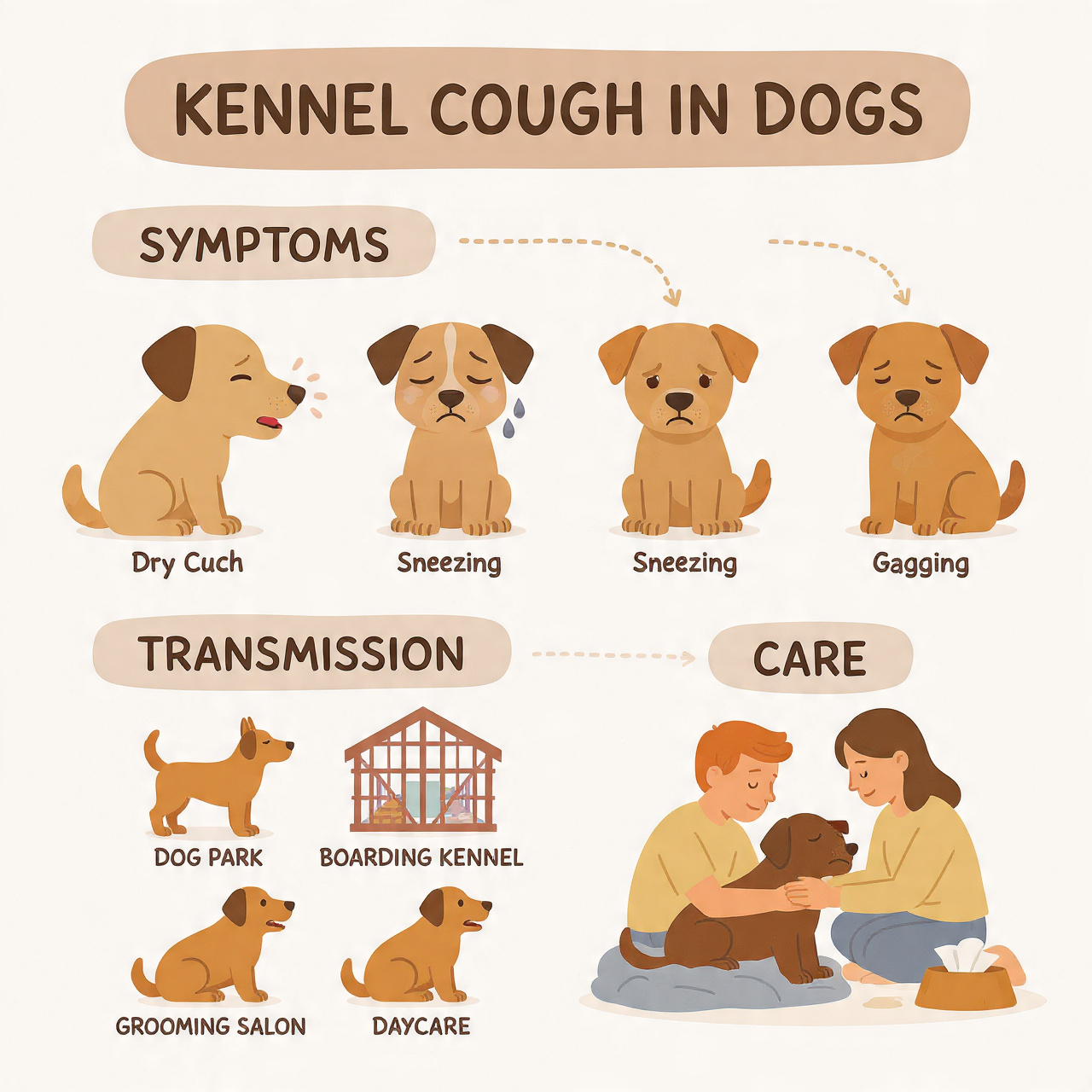
Kennel cough is one of the most common respiratory infections in dogs, especially those that spend time around other dogs.
Common Symptoms
You might notice:
- A dry, hacking cough that sounds like honking
- Sneezing and nasal discharge
- Gagging or retching
- Mild fever
- Tiredness
Dogs usually catch kennel cough at places like boarding kennels, dog parks, grooming salons, or daycare centers.
What You Should Do
If your dog starts coughing persistently, call your vet. Most cases are mild and clear up within one to two weeks with proper treatment. Your vet may prescribe antibiotics or cough suppressants.
Keep your dog away from other dogs until they recover to prevent spreading the infection.
2. Ringworm
Despite the name, ringworm is not a worm. It’s a fungal infection that affects the skin, hair, and sometimes the nails.
Common Symptoms
- Circular bald patches
- Red or scaly skin
- Hair loss on the head, paws, or body
- Mild itching
Ringworm can spread to humans, which is why it needs quick attention.
What You Should Do
Visit your vet if you notice suspicious skin patches. Treatment usually involves antifungal creams or oral medication. You will also need to clean and disinfect your dog’s bedding, toys, and living area.
With proper care, most dogs recover fully within a few weeks.
3. Heartworm Disease
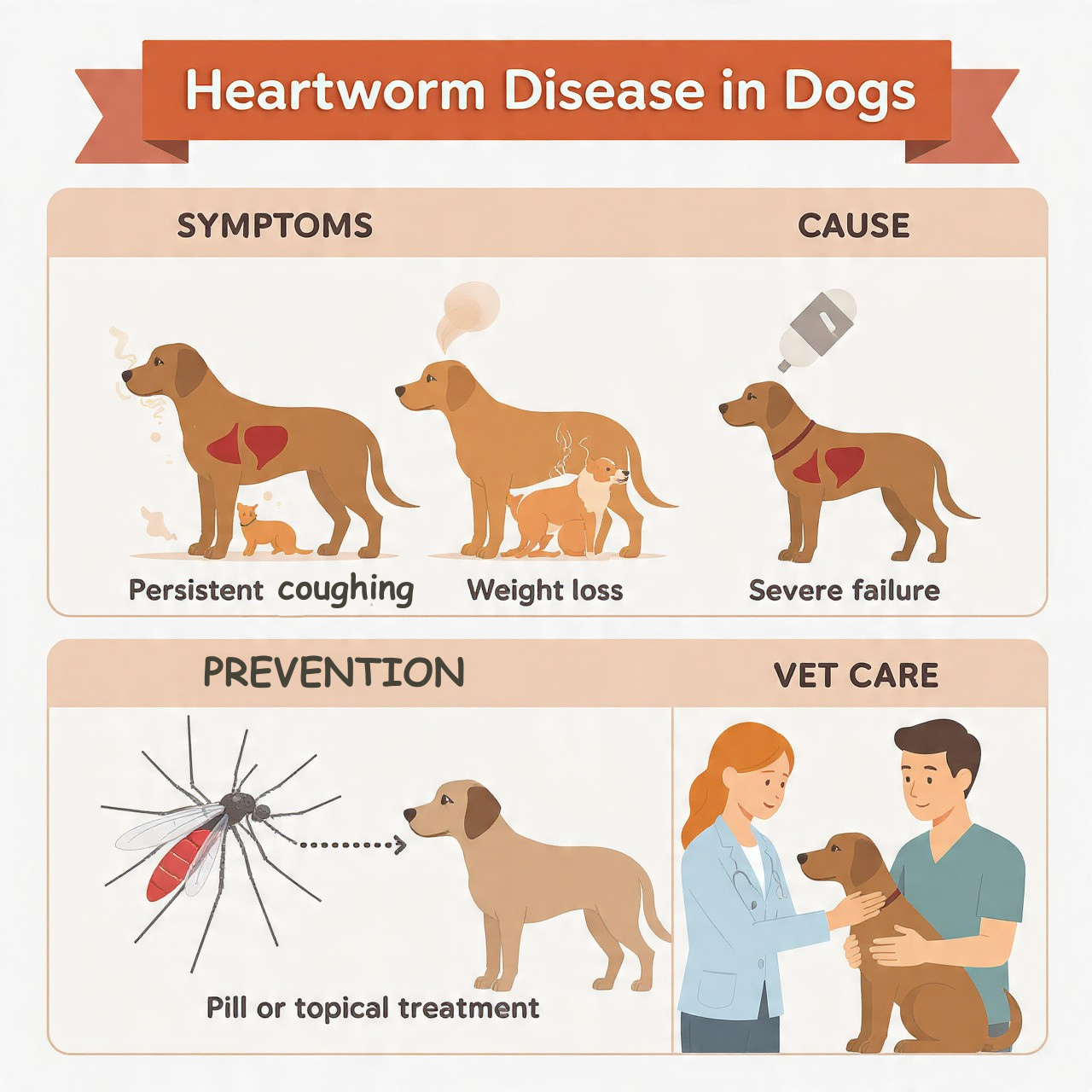
Heartworm is a serious and potentially deadly condition caused by parasites living in the heart and blood vessels.
Common Symptoms
Early stages can be tricky because symptoms are mild or nonexistent. Later signs include:
- Persistent coughing
- Lethargy
- Weight loss
- Difficulty breathing
- Signs of heart failure in severe cases
What You Should Do
Prevention is key here. Monthly heartworm medication is far easier and safer than treatment. If you suspect heartworm, your vet will run tests and guide you through treatment options.
Catching heartworm early can save your dog’s life.
4. Lyme Disease
Lyme disease is caused by bacteria transmitted through tick bites.
Common Symptoms
- Fever
- Swollen or painful joints
- Limping
- Loss of appetite
- Low energy
Dogs cannot pass Lyme disease directly to humans or other dogs, but ticks can bite multiple hosts.
What You Should Do
If you notice joint pain or unexplained fatigue, talk to your vet. Treatment usually includes antibiotics and anti-inflammatory medication.
To reduce risk:
- Use tick preventatives
- Check your dog after outdoor walks
- Avoid tick-heavy areas when possible
5. Parainfluenza
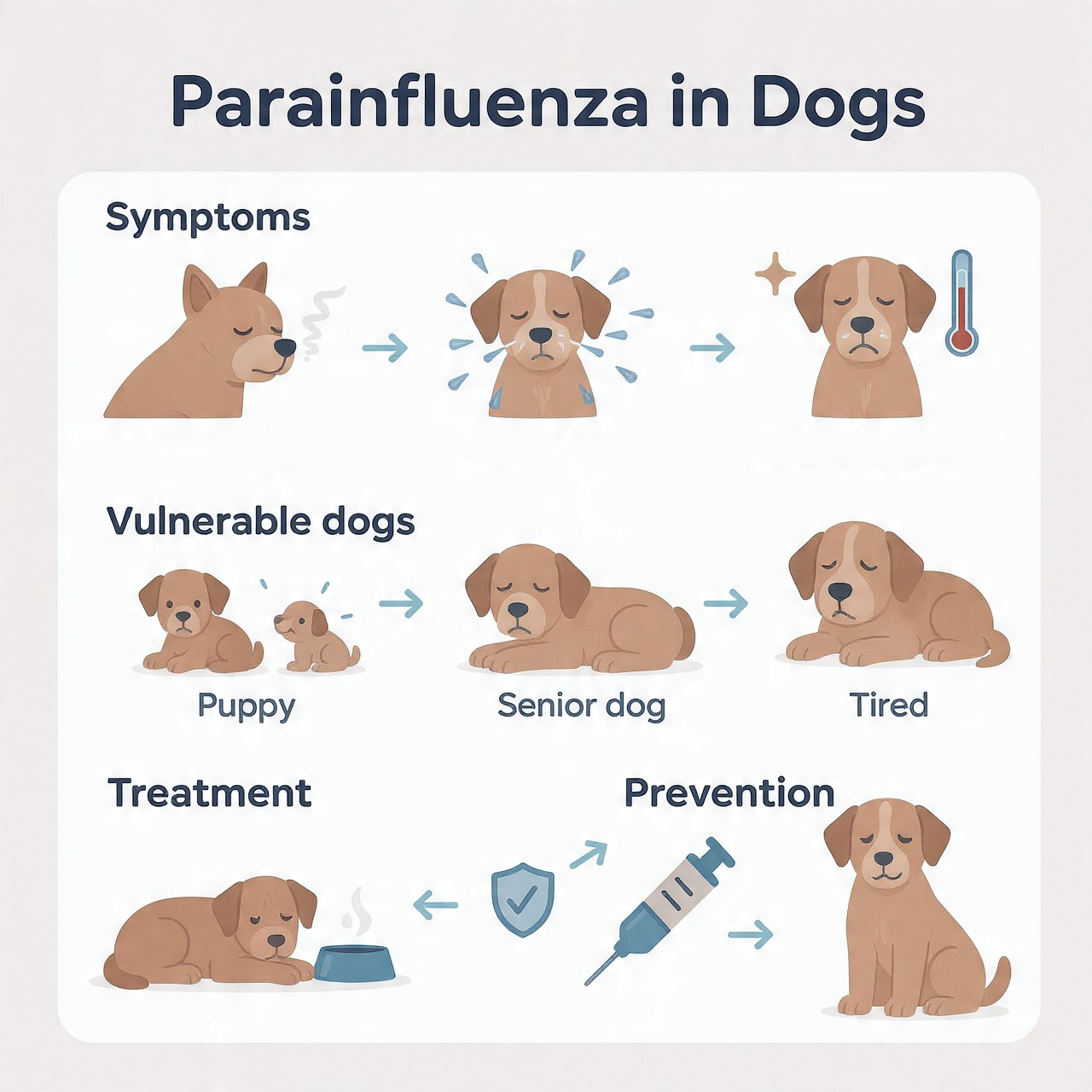
Parainfluenza is a viral respiratory infection often linked with kennel cough.
Common Symptoms
- Coughing
- Sneezing
- Nasal discharge
- Fever
- Tiredness
Puppies, senior dogs, and dogs with weak immune systems are more vulnerable.
What You Should Do
Most dogs recover with rest and basic treatment. Your vet may recommend antibiotics to prevent secondary infections.
Vaccination is the best defense, and it is commonly included in routine dog vaccines.
6. Giardia
Giardia is a parasite that affects the digestive system.
Common Symptoms
- Diarrhea, often watery or greasy
- Vomiting
- Weight loss
- Dehydration
- Fatigue
Dogs often pick it up from contaminated water, soil, or feces.
What You Should Do
Giardia requires veterinary treatment, usually with specific medication. Cleanliness is extremely important.
Helpful prevention tips:
- Do not allow your dog to drink from puddles or streams
- Clean food and water bowls daily
- Wash your hands after handling your dog
Giardia can spread to humans, so hygiene matters.
7. Parvovirus
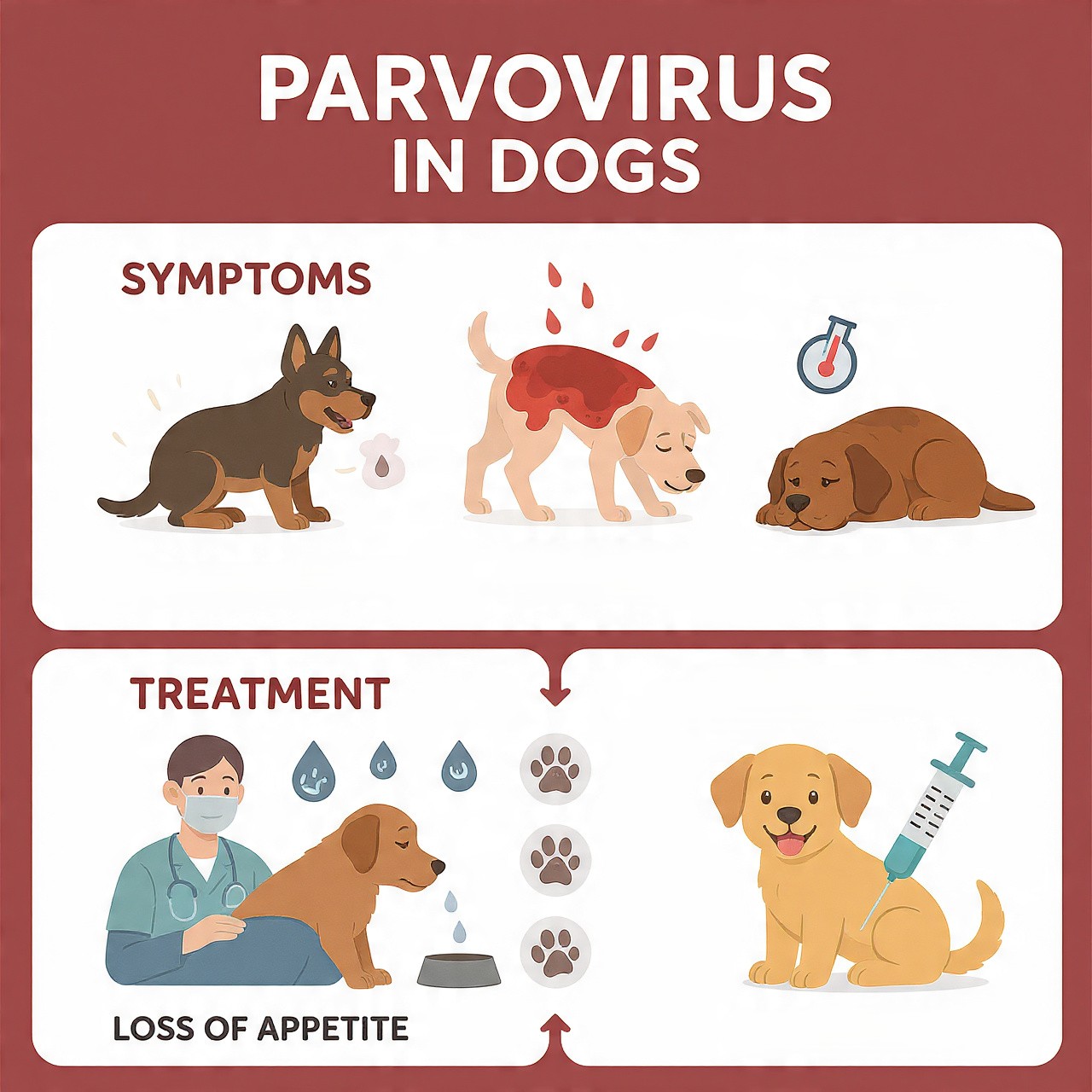
Parvo is one of the most feared dog diseases, especially for puppies.
Common Symptoms
- Severe vomiting
- Bloody diarrhea
- Lethargy
- Loss of appetite
- Fever
This virus spreads through infected feces and contaminated surfaces.
What You Should Do
Parvo is a medical emergency. If you suspect it, go to the vet immediately. Treatment involves intensive care, fluids, and medication.
Vaccination is the best protection, and puppies should receive their parvo shots on schedule.
8. Distemper
Distemper is a highly contagious and often fatal viral disease.
Common Symptoms
- Fever
- Coughing and nasal discharge
- Vomiting and diarrhea
- Seizures
- Muscle twitching
- Pneumonia
What You Should Do
There is no cure for distemper, only supportive care. Prevention through vaccination is crucial.
If you suspect distemper, contact your vet immediately. Early intervention may improve survival chances, but prevention is always better.
9. Rabies
Rabies is a deadly viral disease transmitted through bites or scratches from infected animals.
Common Symptoms
- Aggression or unusual behavior
- Excessive drooling or foaming at the mouth
- Seizures
- Paralysis
- Loss of coordination
Rabies can be transmitted to humans, making it a serious public health issue.
What You Should Do
If you suspect rabies, contact your vet or local authorities immediately. Sadly, rabies is fatal once symptoms appear.
Vaccination is not just recommended, it is legally required in many areas.
10. Bobcat Fever
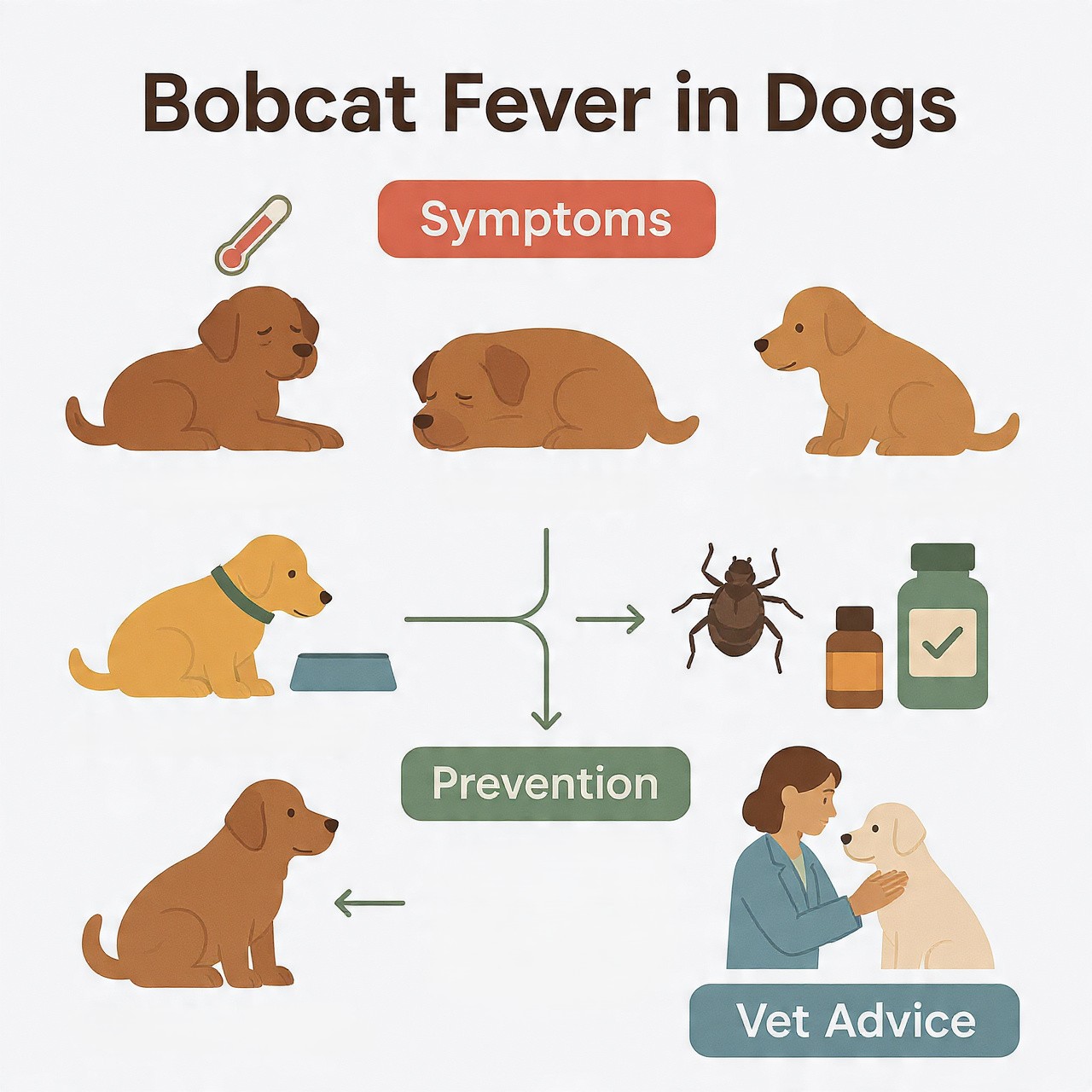
Bobcat fever is a tick-borne disease more commonly associated with cats, but dogs can play a role in spreading it.
Common Symptoms
- High fever
- Lethargy
- Loss of appetite
- Breathing difficulty
- Anemia or jaundice
What You Should Do
While dogs rarely become seriously ill from this disease, tick prevention is essential. Regular tick checks and preventative treatments protect both dogs and cats in the household.
Always consult your vet if your dog shows signs of tick-borne illness.
11. Leptospirosis
Leptospirosis is a bacterial disease that affects both dogs and humans.
Common Symptoms
- Fever
- Vomiting and diarrhea
- Muscle pain
- Loss of appetite
- Liver or kidney issues in severe cases
Dogs can contract it from contaminated water, soil, or animal urine.
What You Should Do
Early veterinary care is critical. Treatment includes antibiotics and supportive care.
To reduce risk:
- Avoid stagnant water
- Keep vaccinations up to date
- Practice good hygiene after outdoor activities
How to Prevent Common Dog Health Problems
While not every illness is preventable, many are.
Here’s what truly helps:
- Keep vaccinations up to date
- Use flea, tick, and heartworm preventatives
- Schedule regular vet checkups
- Maintain a clean living environment
- Feed a balanced, high-quality diet
- Pay attention to changes in behavior
Trust your instincts. If something feels off, it probably is.
Final Thoughts
Watching your dog get sick is never easy. I’ve been there, worrying over every cough, limp, or skipped meal. But knowledge makes all the difference.
Understanding common dog health problems helps you act quickly, ask the right questions, and give your dog the best chance at a long, happy life. Most conditions are manageable when caught early, and prevention goes a long way.
Your dog depends on you, and you’re already doing the right thing by learning.